recipes
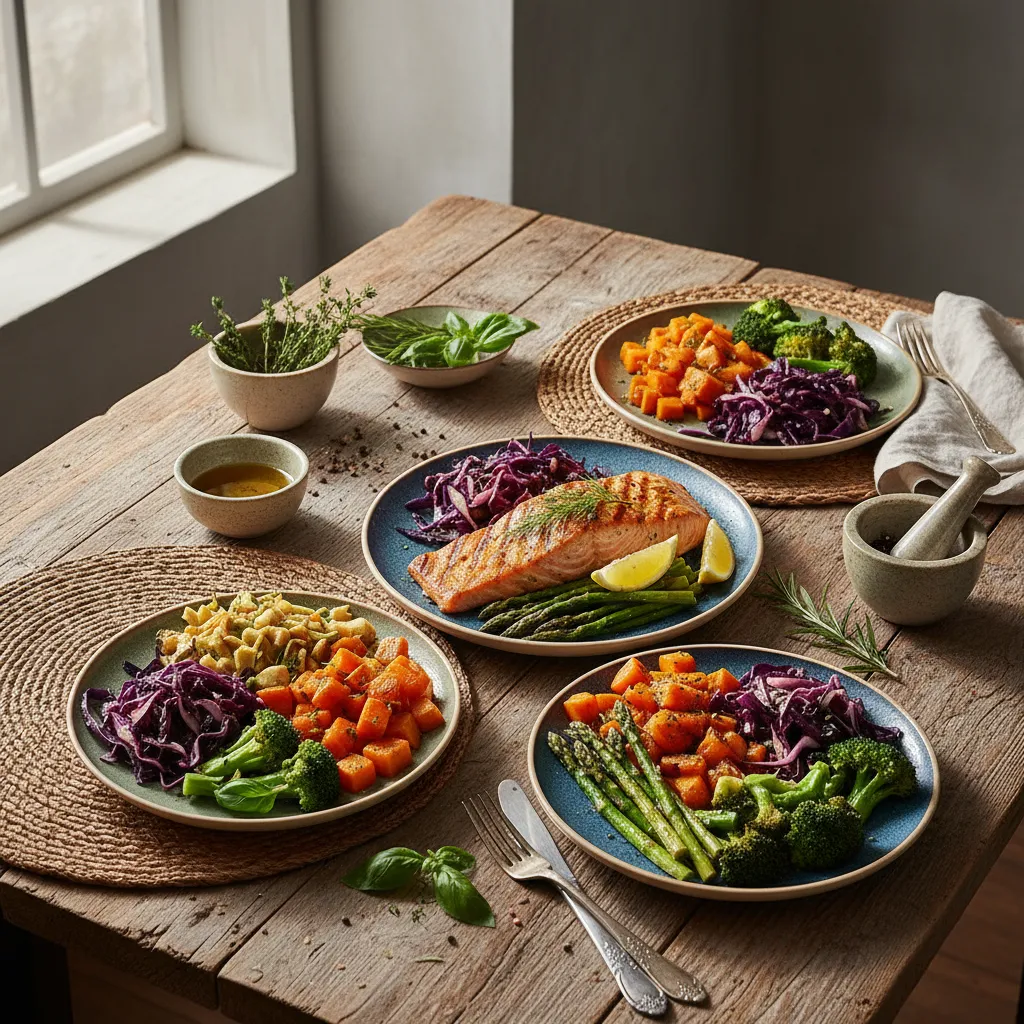
15-Minute Anti-Aging Dinner Ideas
Fast, delicious dinners that support healthy aging — made with ingredients you probably already have at home in your kitchen.
Read more →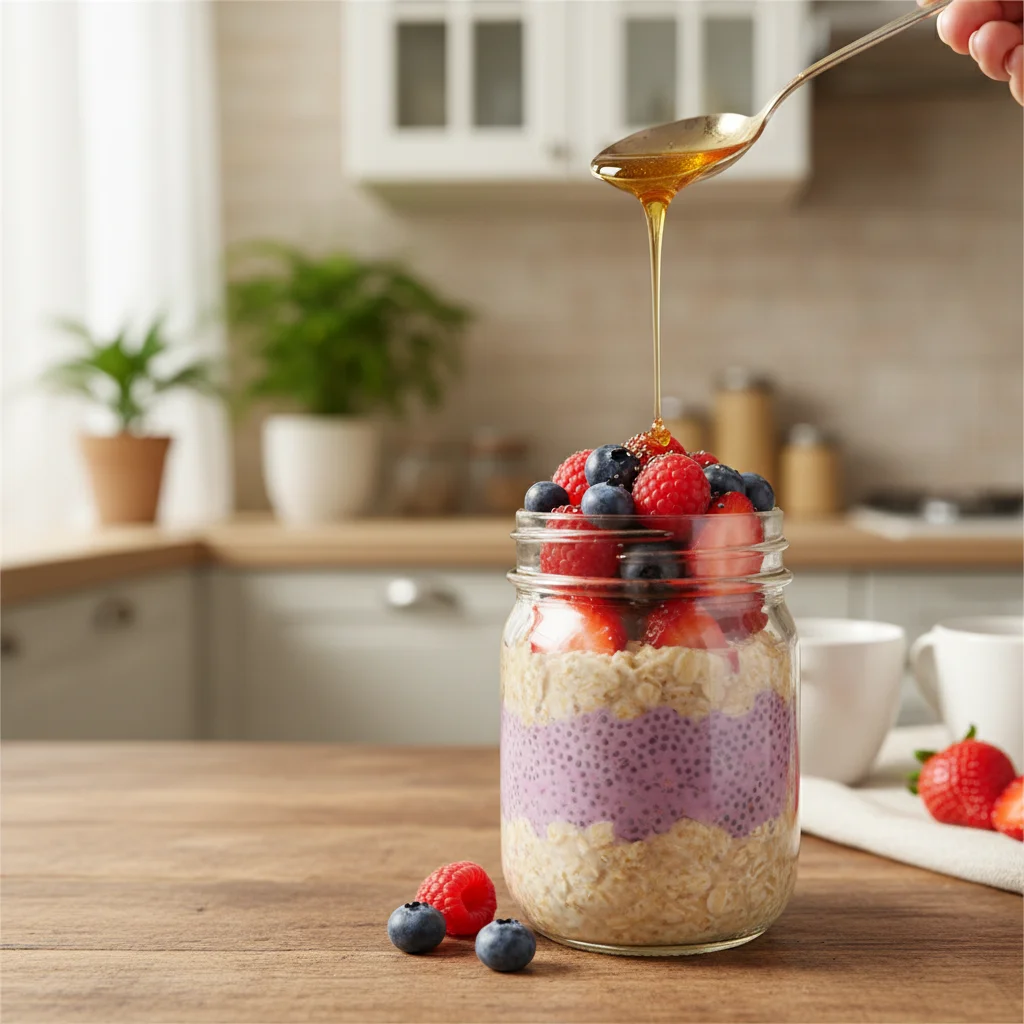
📋 Quick Summary
A breakfast that preps itself while you sleep sounds too good to be true — but overnight oats genuinely deliver. You spend five minutes the night before, refrigerate, and wake up to a ready-to-eat meal that’s filling, nutritious, and easy to vary so it never gets boring.
This guide covers six reliable recipe variations, the basic ratios to get texture right every time, and the nutritional case for making overnight oats a regular part of your week.
The method is simple: rolled oats absorb liquid overnight, softening without heat into a thick, creamy consistency. The cold soaking also begins to break down phytic acid in the oats, which can improve mineral absorption — a benefit that cooking doesn’t provide to the same degree.
The base ratio: 1/2 cup rolled oats + 1/2 cup liquid (milk, almond milk, oat milk) + 1/4 cup Greek yogurt. This makes one serving. Scale up for meal prep.
Key notes on ingredients:
If you want a good organic rolled oats brand, look for certified glyphosate-free options.
The starter recipe. Clean flavors, straightforward prep, works with any berries you have on hand.
Ingredients:
Instructions:
Serves 1. Prep time: 5 minutes.
High-satiety, mildly sweet, protein-forward. Popular with kids as well as adults.
Ingredients:
Instructions:
Nutrition note: Natural peanut butter (no added sugar or hydrogenated oils) provides approximately 8g protein per 2-tablespoon serving along with healthy monounsaturated fats (Quelle: https://fdc.nal.usda.gov/fdc-app.html#/food-details/172470/nutrients). Combined with Greek yogurt, this jar provides 18–22g protein.
Tastes indulgent, but the ingredients are straightforward. The apple softens slightly overnight and the cinnamon infuses throughout.
Ingredients:
Instructions:
Tip: A squeeze of lemon juice over the apple prevents browning if you prep the topping the night before in a small separate container.
For mornings when you need something that feels like a treat. Dark cocoa powder provides magnesium and flavanols without added sugar.
Ingredients:
Instructions:
Nutrition note: Unsweetened cocoa powder contains flavanols — plant compounds with antioxidant properties. Regular moderate cocoa consumption has been associated in research with cardiovascular benefits (Quelle: https://www.healthline.com/nutrition/cocoa-powder-nutrition-benefits). Use natural or Dutch-process cocoa, not sweetened hot chocolate mix.
Bright, dairy-light, and perfect in warmer months. Coconut milk adds richness without heaviness.
Ingredients:
Instructions:
Dairy-free note: This version is fully dairy-free when made with coconut yogurt. It’s also a good option for those with lactose sensitivity.
Designed for days when you need maximum staying power — post-workout, long meeting mornings, or whenever lunch feels far away.
Ingredients:
Instructions:
Protein content: This jar delivers approximately 25–30g protein depending on the protein powder you use — equivalent to a moderate post-workout meal. Chia seeds are worth buying in bulk for this recipe.
Oats and fiber: A 1/2 cup serving of dry rolled oats contains approximately 4g of dietary fiber, including beta-glucan — a soluble fiber associated with reduced LDL cholesterol and improved blood sugar regulation (Quelle: https://www.healthline.com/nutrition/9-benefits-oats-oatmeal). Beta-glucan works by forming a thick gel in the digestive tract that slows glucose absorption.
Protein from Greek yogurt: Plain full-fat Greek yogurt provides approximately 17g protein per 3/4-cup serving (Quelle: https://fdc.nal.usda.gov/fdc-app.html#/food-details/170903/nutrients). This makes overnight oats genuinely protein-competitive with eggs as a breakfast option.
Chia seeds: Beyond fiber, chia seeds provide alpha-linolenic acid (ALA), a plant-based omega-3 fatty acid. One tablespoon provides approximately 2.5g ALA (Quelle: https://fdc.nal.usda.gov/fdc-app.html#/food-details/170554/nutrients).
Glycemic impact: The combination of fiber, protein, and fat in overnight oats (especially with Greek yogurt and nut butters) produces a slower blood sugar rise compared to most breakfast cereals or toast. This matters for sustained energy and hunger management through the morning.
Make 3–5 jars at once. The prep for five jars takes about 15 minutes on Sunday. Overnight oats keep well in the refrigerator for up to 5 days. The texture actually improves between days 1 and 3.
Keep toppings separate until morning. Fresh fruit, granola, nuts, and chocolate chips go on the morning of eating — not the night before. Wet toppings soften into the oats; crunchy toppings lose all texture.
Thin if needed. Overnight oats thicken considerably in the fridge — more than most first-timers expect. Add a splash of milk in the morning and stir if the texture is too dense.
Warm it if you prefer. “Overnight oats” doesn’t mean you have to eat them cold. Microwave for 60–90 seconds, stir, and eat warm. The texture holds.
recipes
Fast, delicious dinners that support healthy aging — made with ingredients you probably already have at home in your kitchen.
Read more →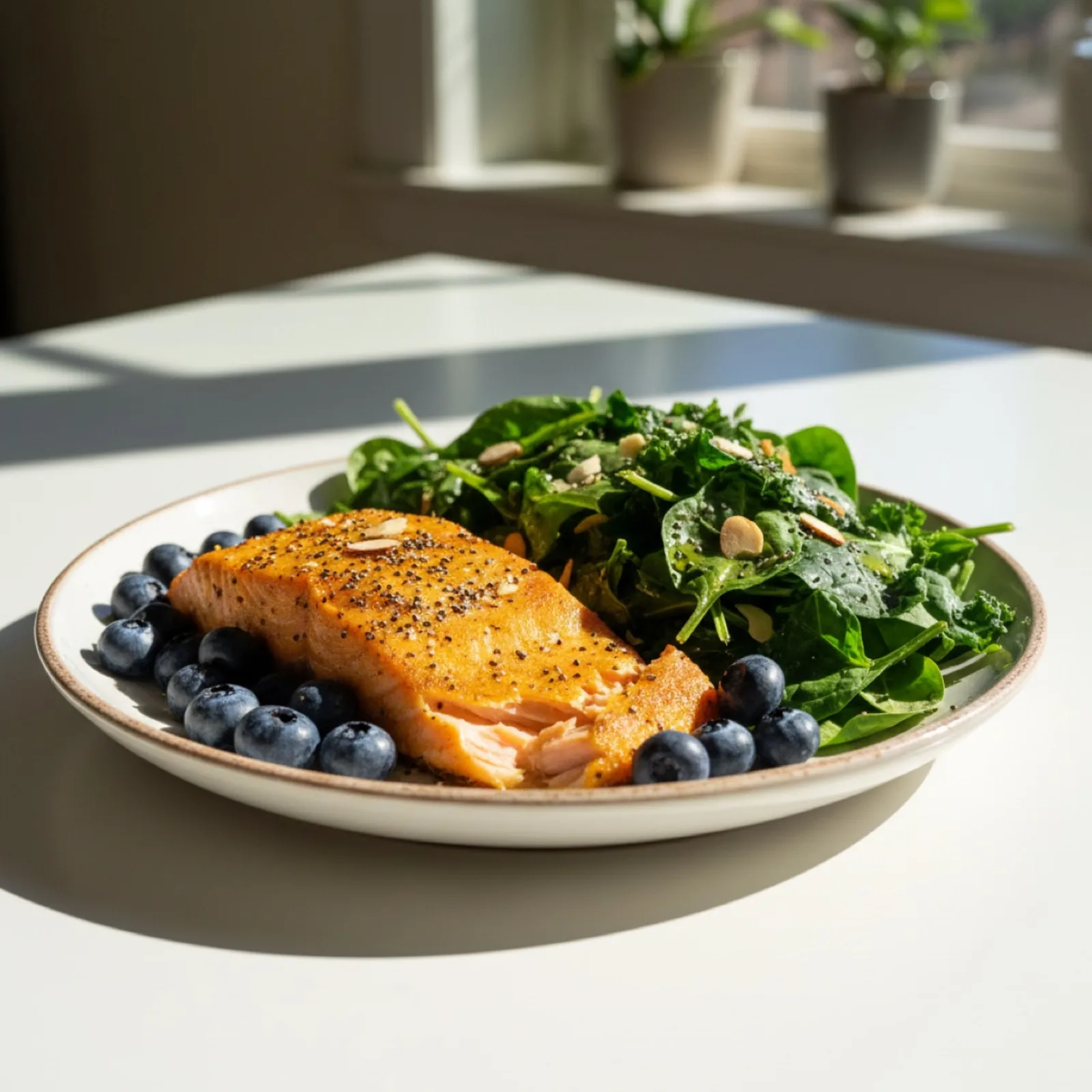
recipes
Fight inflammation naturally with these easy anti-inflammatory recipes. Meal ideas for breakfast, lunch and dinner. Perfect for busy moms.
Read more →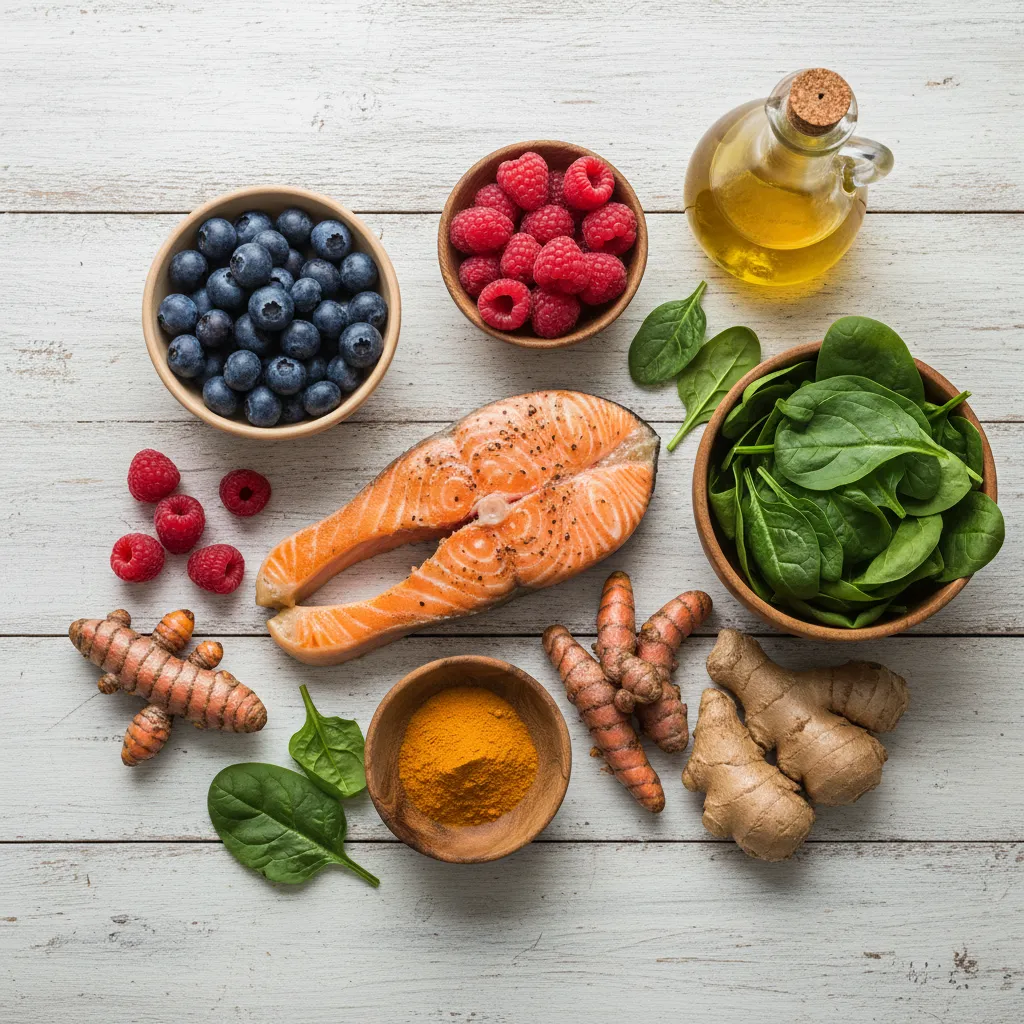
recipes
Add these 10 powerful anti-inflammatory foods to your daily diet. Science-backed choices easy to find at any grocery store — for women over 40.
Read more →
Get access to my VIP newsletter with health tips, special deals, my free ebook on Seven Small Easy Habits and so much more!