recipes
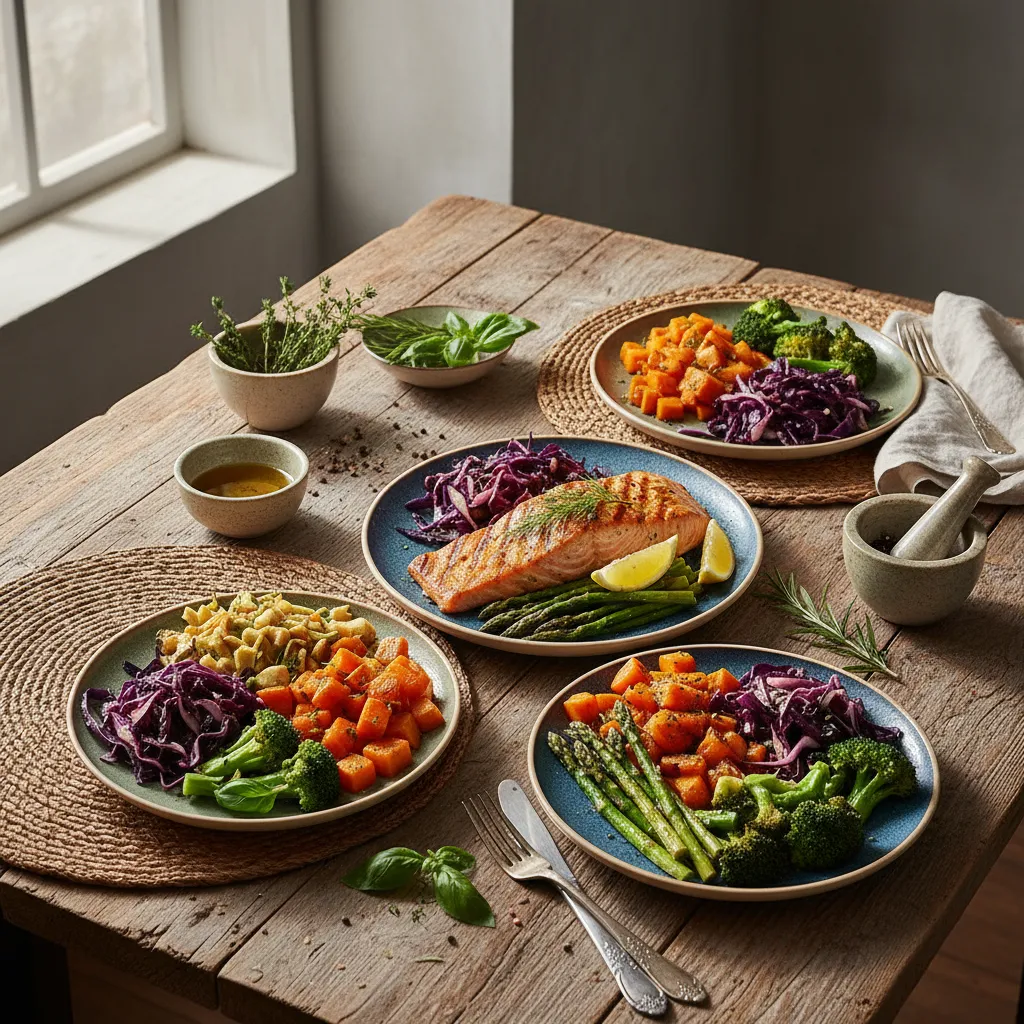
15-Minute Anti-Aging Dinner Ideas
Fast, delicious dinners that support healthy aging — made with ingredients you probably already have at home in your kitchen.
Read more →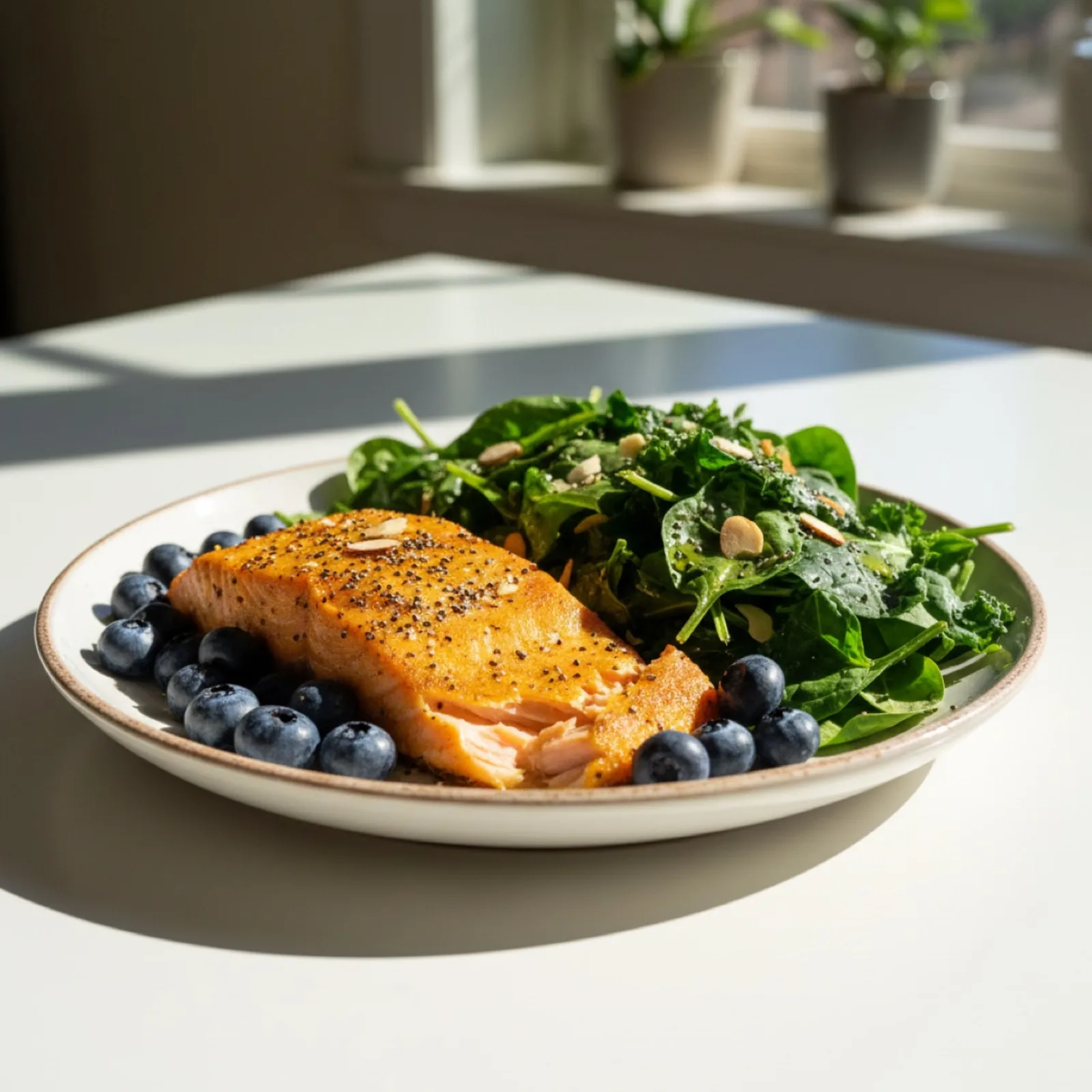
📋 Quick Summary
Chronic, low-grade inflammation is increasingly recognized as a root driver of conditions affecting women — including joint pain, fatigue, hormonal imbalance, skin issues, and cardiovascular risk. And while inflammation is a natural immune response, diet is one of the most direct levers for keeping it in check.
The frustrating thing about most “anti-inflammatory meal plans” is that they sound like punishment. Bland bowls, obscure ingredients, recipes that take 90 minutes on a Tuesday night. This guide does the opposite: practical, specific recipes built around ingredients with real evidence behind them — the kind you’ll actually make twice.
For a deeper look at the power foods behind these recipes, see our companion piece on anti-inflammatory foods to eat daily.
Before the recipes, a quick look at the mechanisms — because understanding why these ingredients work makes you more likely to actually use them.
Key compounds and their sources:
The Mediterranean diet — built on these same foods — has among the strongest long-term evidence for reducing chronic disease risk. These recipes follow the same framework, made weeknight-ready.
Fast, high-protein, and hitting three key anti-inflammatory compounds in one pan.
Ingredients (serves 2):
Method: Heat olive oil over medium-low heat. Add spring onions, cook 1 minute. Whisk eggs with turmeric, black pepper, and salt. Add eggs to pan, add spinach, scramble gently until just set. Serve immediately, drizzle a little extra olive oil on top for maximum oleocanthal.
Why it works: Turmeric + pepper + fat (olive oil + egg yolk) = maximum curcumin absorption. Spinach adds folate and vitamin K. Takes under 10 minutes.
Prep takes 5 minutes the night before. Zero effort in the morning.
Ingredients (serves 1):
Method: Combine oats, chia seeds, and milk in a jar. Stir well. Refrigerate overnight. In the morning, top with blueberries, walnuts, and cinnamon.
Why it works: Chia seeds provide plant-based omega-3 ALA and soluble fiber. Blueberries deliver anthocyanins. Walnuts add omega-3s and polyphenols. Research suggests regular blueberry consumption is associated with reduced CRP and IL-6 — both key inflammatory markers.
Two minutes, no cooking. Pairs well with our full anti-inflammatory smoothie guide.
Ingredients (serves 1):
Method: Blend all ingredients until smooth. Drink immediately.
Why it works: Flaxseed adds ALA omega-3s and lignans. Ginger supports the anti-inflammatory load. Turmeric is fat-soluble — the fat in flaxseed helps absorption. If adding collagen, the vitamin C in mango aids collagen synthesis.
The anti-inflammatory meal. Salmon is the single highest-impact swap you can make for inflammation management.
Ingredients (serves 2):
Method: Preheat oven to 400°F. Toss vegetables with 2 tbsp olive oil, garlic, salt, and pepper. Roast 20 minutes. In the last 12 minutes, place salmon on the same pan (or a separate one). Brush with remaining olive oil + turmeric + pepper. Roast until salmon flakes easily. Squeeze lemon juice over everything; add fresh herbs.
Why it works: EPA and DHA from salmon are the most evidence-backed dietary omega-3s for inflammation. The NIH Office of Dietary Supplements cites fatty fish as the primary source. Turmeric on the salmon adds curcumin; olive oil provides the fat for absorption.
Plant-based, batch-cook-friendly, and rich in anti-inflammatory spices. Makes 4 servings — ideal for meal prep.
Ingredients (serves 4):
Method: Heat olive oil over medium heat. Sauté onion 5 minutes until soft. Add garlic and ginger, cook 1 minute. Add all spices, stir 30 seconds. Add sweet potato, lentils, tomatoes, coconut milk, and broth. Bring to a boil, reduce heat, simmer 20–25 minutes until lentils are soft and sweet potato is cooked through. Stir in spinach until wilted. Add lemon juice. Adjust salt.
Why it works: Turmeric + black pepper + fat (coconut milk and olive oil) = curcumin fully activated. Lentils provide prebiotic fiber that feeds anti-inflammatory gut bacteria. Ginger and cumin add gingerols and additional anti-inflammatory polyphenols. This stew is a legitimate meal-prep powerhouse. See our weekly meal prep guide for batch-cooking strategy.
Under 20 minutes. High protein, high anti-inflammatory load.
Ingredients (serves 2):
Method: Heat oil in a wok or large skillet over high heat. Cook chicken 4–5 minutes until browned; remove. Reduce heat to medium-high, add bok choy and bell pepper, cook 3 minutes. Add garlic and ginger, cook 1 minute. Return chicken, add tamari, lime, turmeric, and pepper. Toss everything, cook 1 more minute. Finish with sesame oil. Serve over quinoa.
Why it works: Fresh ginger provides gingerols; ginger has been shown to reduce pain markers in osteoarthritis clinical trials. Bok choy is a cruciferous vegetable rich in sulforaphane and vitamin K. Quinoa adds complete protein and fiber without the glycemic spike of refined grains.
This one sounds less glamorous than it is. Bone broth benefits get a lot of attention, but sardines are equally underrated for their omega-3 density at a fraction of the cost of salmon.
Ingredients (serves 2):
Method: Whisk together olive oil, lemon juice, mustard, garlic, salt, and pepper. Toss greens, beans, tomatoes, and onion with dressing. Top with sardines. Add capers and parsley if using.
Why it works: Sardines are among the highest omega-3 foods available, with comparable EPA/DHA to fresh salmon. White beans provide prebiotic fiber. Arugula is rich in nitrates and polyphenols. This comes together in under 10 minutes with zero cooking.
Golden Milk (Turmeric Latte)
Simmer 1 cup of milk (dairy or full-fat oat milk) with 1 tsp turmeric, ¼ tsp black pepper, ¼ tsp cinnamon, and a small pat of butter or coconut oil. Sweeten lightly with honey. The fat + pepper combination ensures you’re actually absorbing the curcumin rather than passing it through.
Walnut and Cherry Trail Mix
Walnuts are the highest omega-3 nut. Dried cherries contain anthocyanins — research suggests tart cherry specifically reduces exercise-induced inflammation and may improve sleep quality in women. Combine with dark chocolate chips (70%+ cacao for maximum polyphenols) for a genuinely satisfying snack.
Ginger-Turmeric Herbal Tea
Simmer 1-inch fresh ginger (sliced) and ½ tsp turmeric in 2 cups water for 10 minutes. Strain. Add lemon juice and honey. A pinch of black pepper completes the absorption trifecta. For more ideas on herbal teas and hormonal health, see our herbal tea hormone balance guide.
Avocado with Olive Oil and Flaxseed
Halved avocado, drizzled with extra-virgin olive oil and sprinkled with ground flaxseed and black pepper. Monounsaturated fats from avocado + omega-3 ALA from flaxseed + oleocanthal from olive oil. Five seconds to prepare.
Consistency matters more than perfection. The research on anti-inflammatory diets — including the Mediterranean diet framework — consistently shows that patterns over time drive biomarker changes, not individual meals.
A practical approach for busy weeks:
Sunday batch-prep (60–90 minutes):
Daily non-negotiables:
Weekly targets:
For the full system — how to structure a week of batch-cooking so every night takes under 15 minutes — see our complete meal prep guide for the week. That article covers time-blocking, storage, and the 15-minute dinner logic in detail.
These are the ingredients that make consistent anti-inflammatory cooking possible without a shopping run every day:
Spices (buy in bulk, replace yearly):
Oils and fats:
Pantry proteins:
Freezer staples:
Grains and seeds:
With this pantry stocked, every recipe in this guide is achievable on a weeknight with minimal planning. The goal is removing friction — when anti-inflammatory ingredients are already home, using them becomes the path of least resistance.
Looking for more healthy recipe ideas? Browse our full Healthy Recipes collection for more weeknight-friendly meals.
recipes
Fast, delicious dinners that support healthy aging — made with ingredients you probably already have at home in your kitchen.
Read more →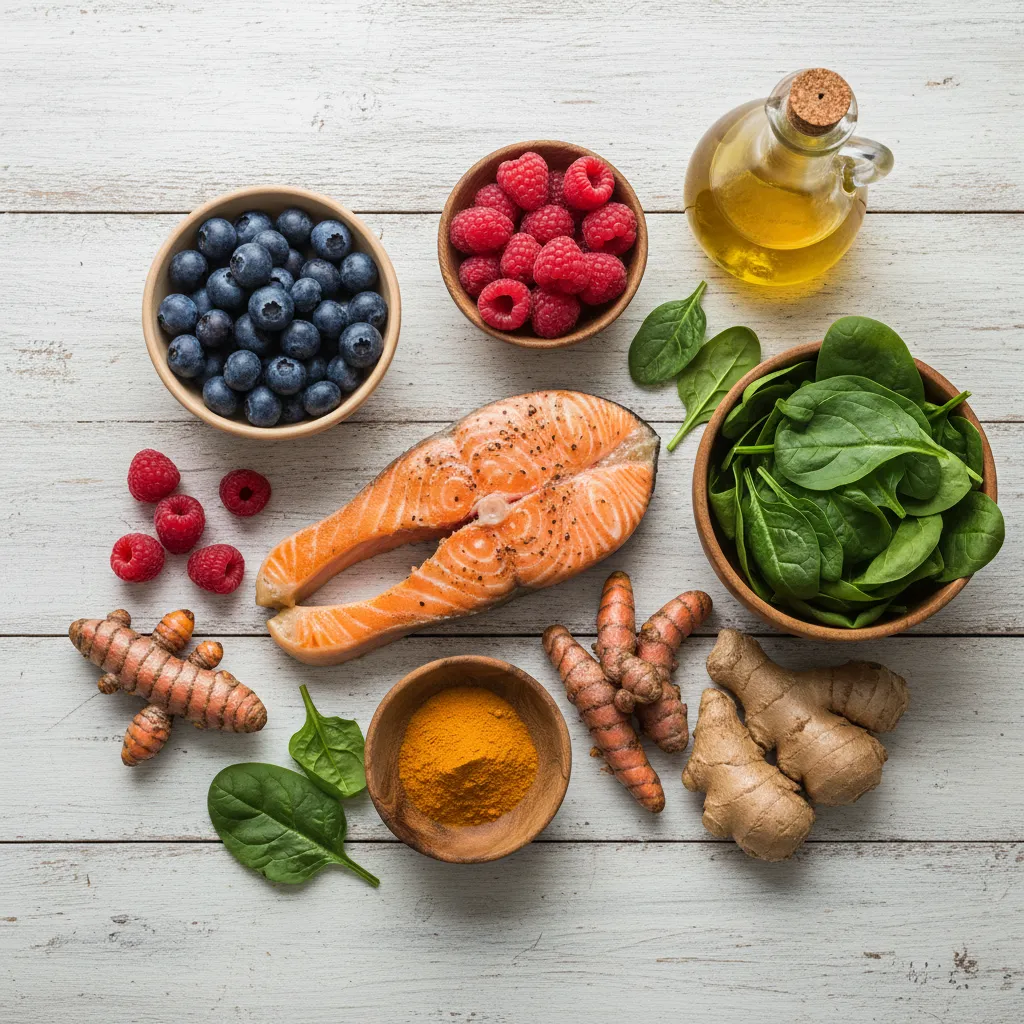
recipes
Add these 10 powerful anti-inflammatory foods to your daily diet. Science-backed choices easy to find at any grocery store — for women over 40.
Read more →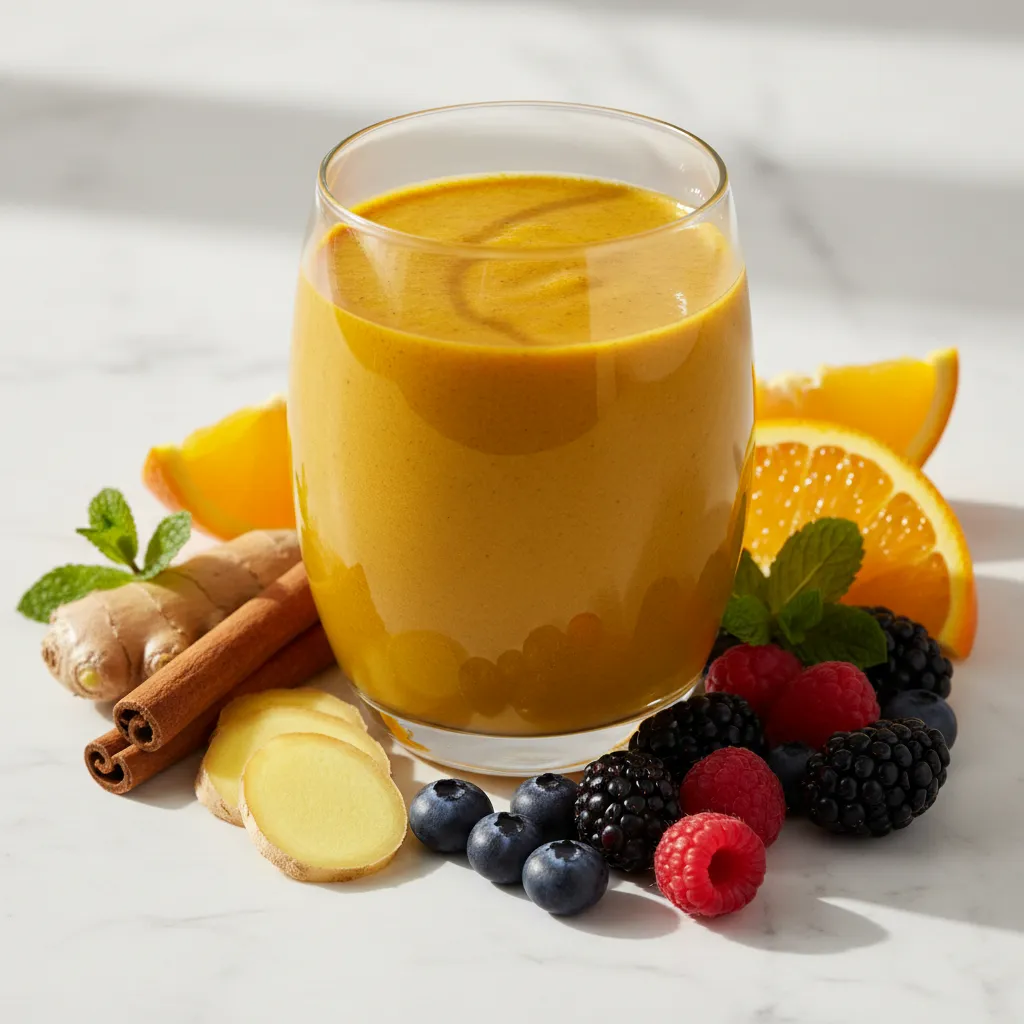
recipes
A quick, delicious smoothie packed with anti-inflammatory ingredients. Ready in five minutes, no complicated prep needed.
Read more →
Get access to my VIP newsletter with health tips, special deals, my free ebook on Seven Small Easy Habits and so much more!