recipes
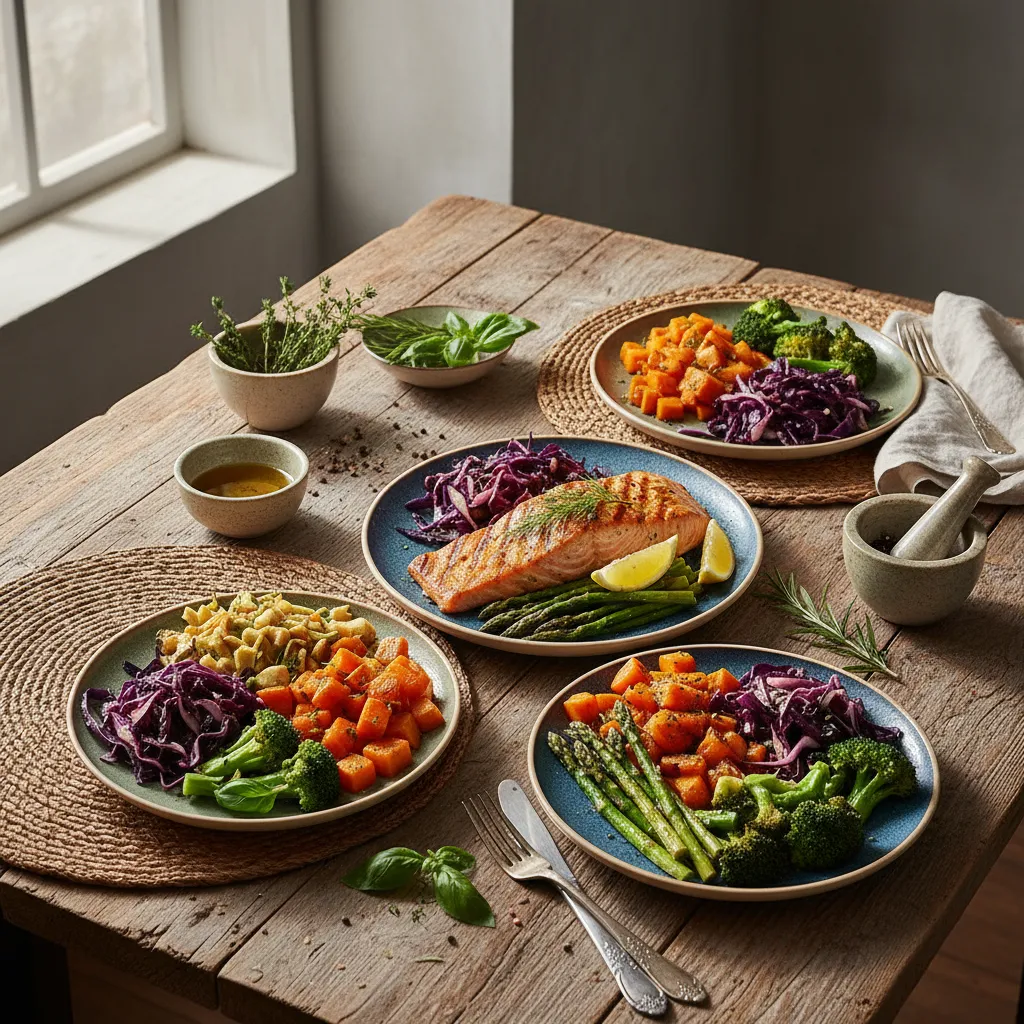
15-Minute Anti-Aging Dinner Ideas
Fast, delicious dinners that support healthy aging — made with ingredients you probably already have at home in your kitchen.
Read more →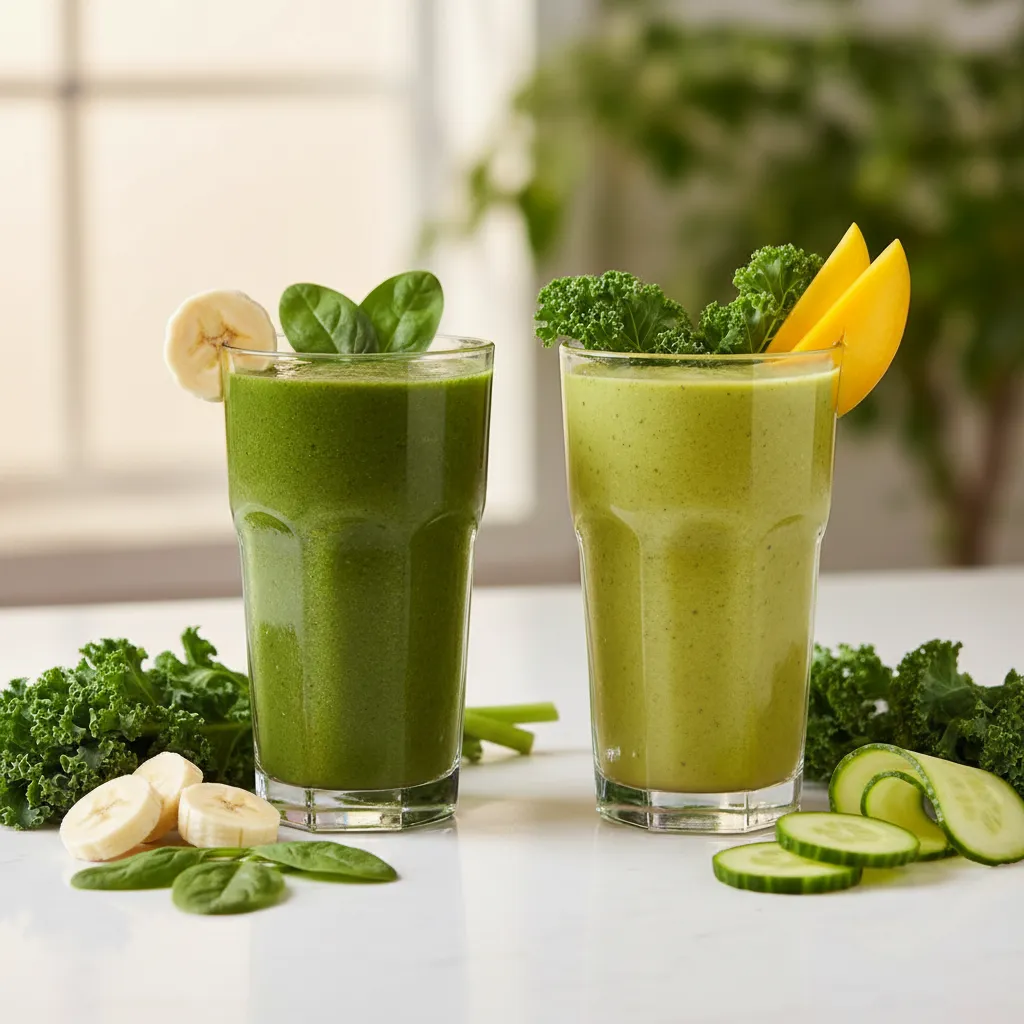
📋 Quick Summary
The biggest barrier to green smoothies isn’t nutrition knowledge — it’s taste. If your smoothie tastes like grass, you won’t drink it for long. These three recipes are designed to hide the vegetable flavor while keeping the nutritional value intact.
Each recipe takes about five minutes to make and provides sustained energy without the crash that comes with a sugary breakfast or coffee on an empty stomach.
Frozen over fresh: Using frozen fruit instead of fresh produces a colder, thicker smoothie without adding ice (which dilutes flavor). Frozen bananas specifically create a creamy texture that helps mask vegetable flavors. Peel and freeze ripe bananas in advance — this is the single biggest quality upgrade to homemade smoothies.
Add greens last (or first, depending on your blender): For high-powered blenders, add greens with liquid first and blend briefly before adding other ingredients. For standard blenders, put liquid in first, then soft ingredients, then frozen items on top.
Taste as you go: All of these recipes have adjustable sweetness. Add more banana or a date if you want sweeter; add more greens if you want more nutrition once you’re accustomed to the flavor.
This is the best starting point if you’re new to green smoothies. Spinach has the mildest flavor of all leafy greens — it nearly disappears in the presence of banana and is the most forgiving green to work with.
Ingredients (makes one large or two small servings):
Preparation:
Why it works nutritionally: Spinach provides folate, iron, vitamin K, and magnesium. Bananas offer quick-release and sustained carbohydrates (glucose and resistant starch) plus potassium and B6. Almond butter contributes protein, vitamin E, and healthy monounsaturated fats. Together this provides a well-balanced energy source that won’t spike and crash your blood sugar the way fruit juice alone would.
Prep ahead: This smoothie keeps in a sealed jar in the fridge for up to 24 hours. It will separate slightly — just shake or stir before drinking.
Kale has more nutritional density than spinach but also more bitterness. Mango is one of the few fruits assertive enough in flavor to genuinely balance it. This combination produces a bright, tropical-tasting smoothie that’s harder to identify as “healthy” than it looks.
Ingredients:
Preparation:
Why it works nutritionally: Kale is exceptionally nutrient-dense — high in vitamins K, C, and A, calcium, and antioxidants including quercetin and kaempferol. Mango provides vitamin C (which enhances iron absorption from the kale) and beta-carotene. Ginger has anti-inflammatory properties and supports digestion. The combination of vitamin C from both mango and lime juice with the iron from kale is intentional — vitamin C significantly improves non-heme iron absorption from plant sources.
This is the lightest and most refreshing of the three — lower in calories and sweetness, higher in water content. It works particularly well as a mid-morning or afternoon pick-me-up rather than a full breakfast. The cucumber base makes it cooling and hydrating; mint provides a clean, sharp flavor that balances the green taste.
Ingredients:
Preparation:
Why it works nutritionally: This smoothie is primarily about hydration, micronutrients, and antioxidants rather than calorie-dense energy. Cucumber is about 96% water and contains silica, which supports skin and connective tissue. Green grapes provide resveratrol and quercetin. Mint contains rosmarinic acid, a compound with anti-inflammatory properties, and meaningfully stimulates digestive enzyme activity. The lime juice provides vitamin C and aids in mineral absorption.
The biggest obstacle is prep time. To make daily smoothies realistic:
Looking for more nourishing meal ideas? Browse our full collection of Healthy Recipes for busy women. → Explore more in our Recipes Hub.
recipes
Fast, delicious dinners that support healthy aging — made with ingredients you probably already have at home in your kitchen.
Read more →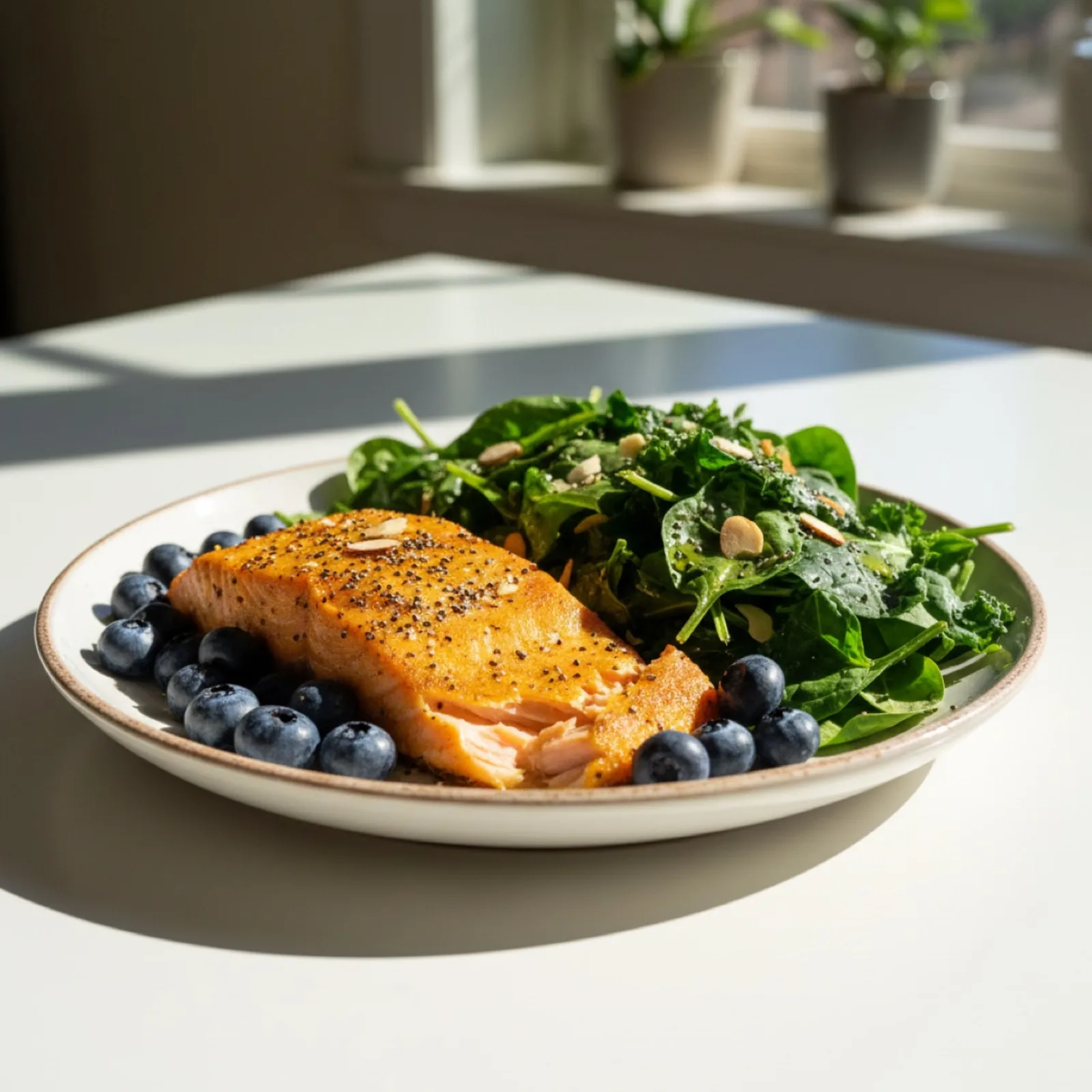
recipes
Fight inflammation naturally with these easy anti-inflammatory recipes. Meal ideas for breakfast, lunch and dinner. Perfect for busy moms.
Read more →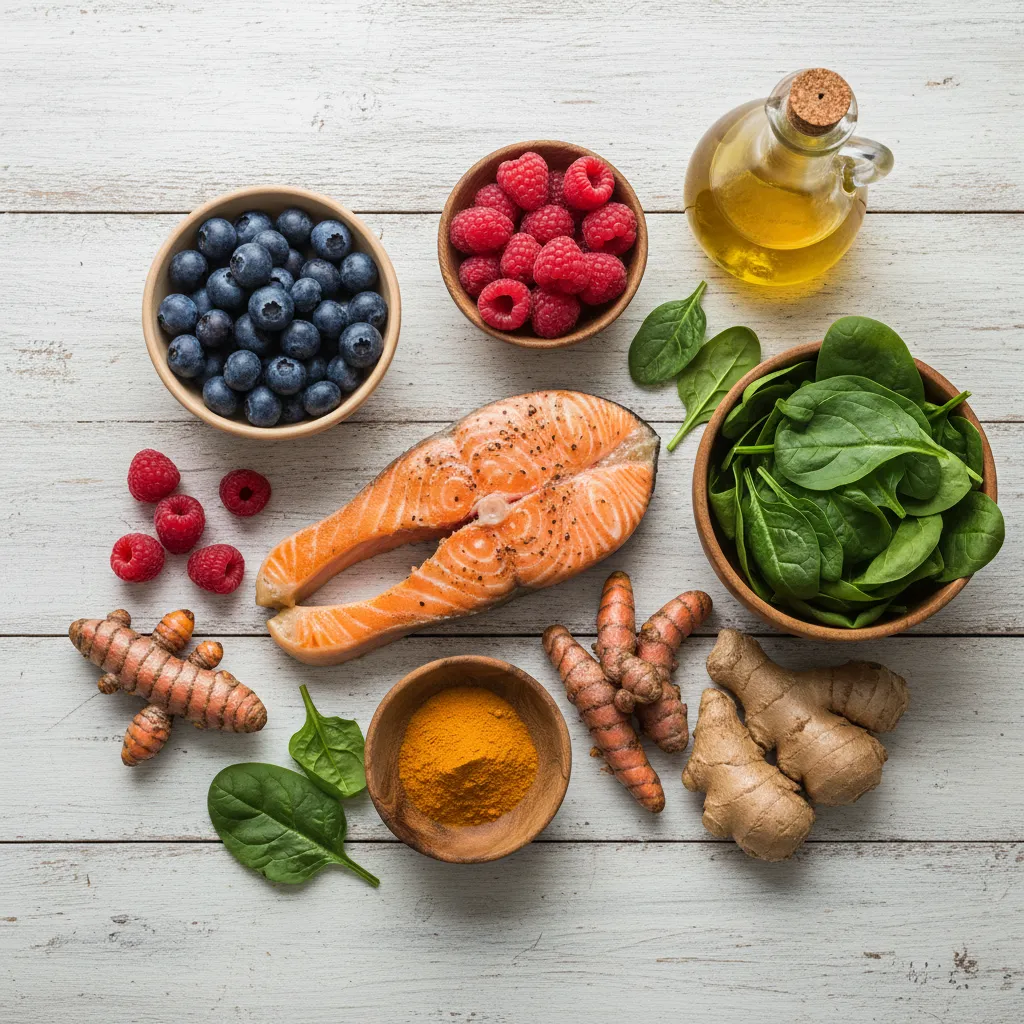
recipes
Add these 10 powerful anti-inflammatory foods to your daily diet. Science-backed choices easy to find at any grocery store — for women over 40.
Read more →
Get access to my VIP newsletter with health tips, special deals, my free ebook on Seven Small Easy Habits and so much more!