recipes
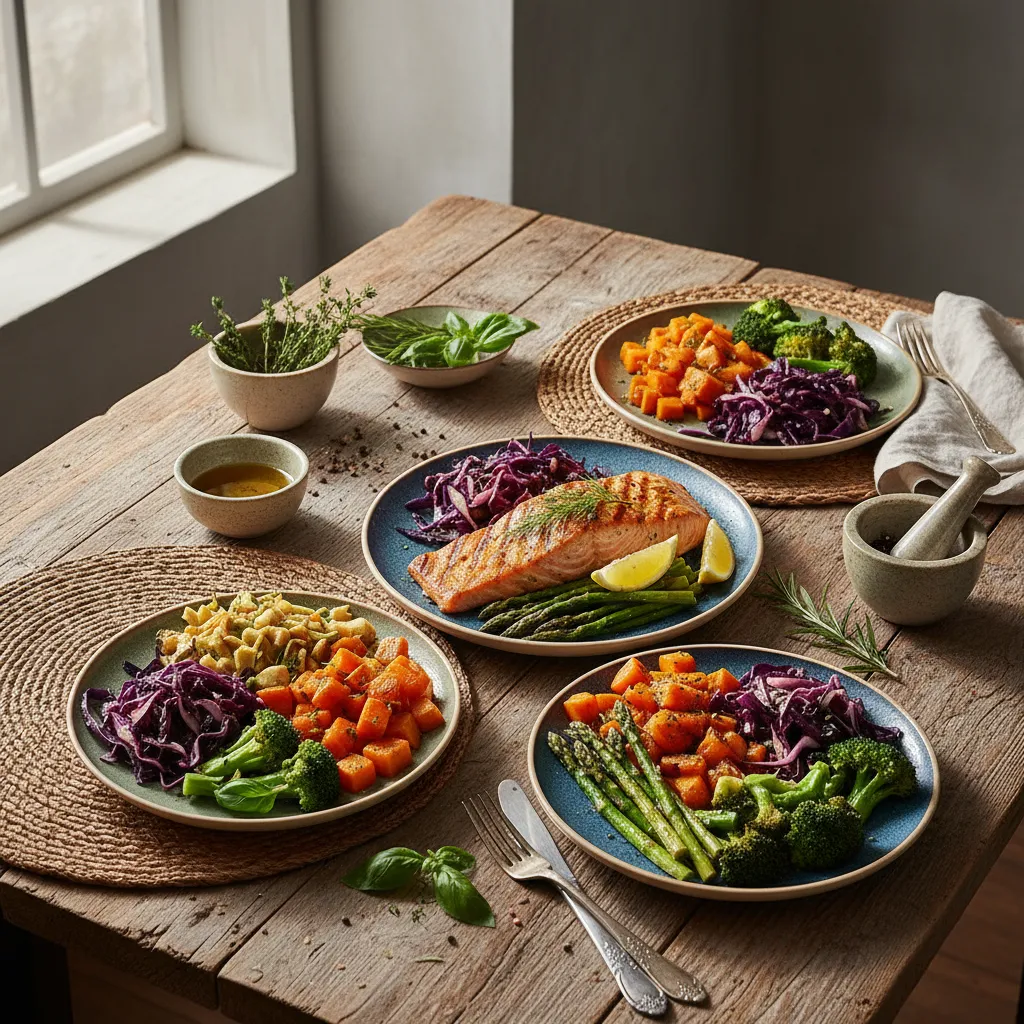
15-Minute Anti-Aging Dinner Ideas
Fast, delicious dinners that support healthy aging — made with ingredients you probably already have at home in your kitchen.
Read more →
Walk down the soda aisle of any grocery store, and you’ll find “ginger ale” marketed as a soothing remedy for upset stomachs. However, a quick glance at the ingredient label often reveals a disappointing truth: most commercial versions contain high-fructose corn syrup, artificial flavorings, and barely a trace of actual ginger. For the health-conscious mom or wellness enthusiast, these additives are a deal-breaker.
The good news is that creating a truly healing, sparkling ginger beverage at home is surprisingly simple. Whether you are looking for a digestive aid, a refreshing summer treat for your kids, or a sophisticated non-alcoholic cocktail mixer, a homemade ginger ale recipe allows you to control the sugar, the potency of the ginger, and the quality of the ingredients.
By shifting from store-bought cans to a DIY brew, you transition from consuming “empty calories” to enjoying a functional beverage rich in antioxidants and anti-inflammatory properties.
The primary difference between commercial soda and a homemade version is the “living” nature of the drink. Most store-bought ginger ales are pasteurized and stripped of any beneficial enzymes. When you make your own, especially using a natural fermentation process, you create a probiotic-rich tonic.
Fresh ginger root contains gingerol, a bioactive compound known for its potent anti-inflammatory and antioxidant effects. It is widely used to alleviate nausea, support digestion, and reduce muscle pain. When you use a fresh ginger ale recipe, you retain these volatile oils and compounds that are lost in the industrial processing of synthetic “ginger flavor.”
Standard sodas are designed to be hyper-palatable, often using quantities of sugar that spike insulin levels. At home, you can opt for raw honey, maple syrup, or organic cane sugar. For those following a stricter low-glycemic lifestyle, you can even experiment with monk fruit or stevia, though natural sugars are necessary if you plan to ferment the drink for carbonation.
From Sodium Benzoate to Artificial Colors, the additive list in commercial sodas is long. A homemade version requires only three to four ingredients: ginger, a sweetener, water, and a carbonation source. This clean-label approach aligns perfectly with a wellness-focused lifestyle.
Depending on your time and your health goals, there are two primary methods for preparing this drink: the Quick Method (using sparkling water) and the Fermented Method (using a “ginger bug”).
This is the perfect entry point for busy moms. Instead of fermenting the drink for days, you create a concentrated ginger syrup and top it with chilled sparkling mineral water.
Ingredients:
Instructions:
For those seeking the probiotic benefits of a “living” beverage, the fermentation method is the gold standard. This process involves creating a “ginger bug”—a wild yeast starter.
Creating the Ginger Bug:
Mix these in a jar and cover with a breathable cloth. Every day for 5–7 days, “feed” the bug with another 2 teaspoons of ginger and sugar. Once it becomes bubbly and smells slightly yeasty, it is ready.
The Final Brew:
For those who find the “ginger bug” process too time-consuming, explore more simplified wellness beverages in our Recipes Hub.
To ensure your homemade ginger ale is safe and consistent, having a few quality tools is helpful. If you are moving from the “Quick Method” to the “Fermented Method,” investing in the right hardware prevents accidents and improves the quality of the carbonation.
One of the greatest joys of a homemade ginger ale recipe is the ability to tailor the taste to your family’s preferences. Ginger is a versatile base that pairs beautifully with other botanical ingredients.
Add a pinch of turmeric and a crack of black pepper to your ginger syrup. Turmeric enhances the anti-inflammatory properties of the drink, and the black pepper increases the bioavailability of curcumin. This creates a golden, glowing tonic that is excellent for joint health.
Infuse your ginger syrup with fresh mint leaves or a few slices of cucumber. This version is incredibly cooling and works well as a sophisticated mocktail for garden parties or baby showers.
Add a cinnamon stick and a couple of whole cloves to the simmering process. The warm spices complement the heat of the ginger, making it a comforting beverage during the colder months.
While homemade ginger ale is generally safe and healthy, there are a few considerations for those new to fermentation and natural brewing.
Managing Sugar Intake: While the yeast in a fermented ginger ale consumes some of the sugar to create carbonation, the final product still contains sweetness. If you are managing blood sugar levels, stick to the “Quick Method” and use a natural, zero-calorie sweetener like monk fruit.
Fermentation Safety: When using the fermented method, never use a sealed jar that isn’t designed for pressure. Carbon dioxide buildup can cause glass to shatter. Always “burp” your bottles to check the pressure level.
Ginger Sensitivity: Ginger is powerful. While it aids digestion for most, some individuals may find high concentrations of ginger irritating to the stomach if taken on an empty stomach. Start with a smaller amount of syrup and adjust based on your body’s reaction.
If your first attempt doesn’t go exactly as planned, don’t be discouraged. Natural brewing is an art and a science.
Choosing a homemade ginger ale recipe over a commercial product is a small but impactful change. It is a testament to the philosophy that the best things for our health are often the simplest. By removing synthetic chemicals and embracing the raw power of ginger, you provide your family with a beverage that tastes better and serves a purpose.
Whether you are sipping on a sparkling ginger-turmeric tonic after a workout or giving your children a healthier alternative to soda, you are reclaiming control over your nutrition. Start with the quick syrup tonight and, once you’re comfortable, dive into the fascinating world of wild fermentation. Your gut health—and your taste buds—will thank you.
recipes
Fast, delicious dinners that support healthy aging — made with ingredients you probably already have at home in your kitchen.
Read more →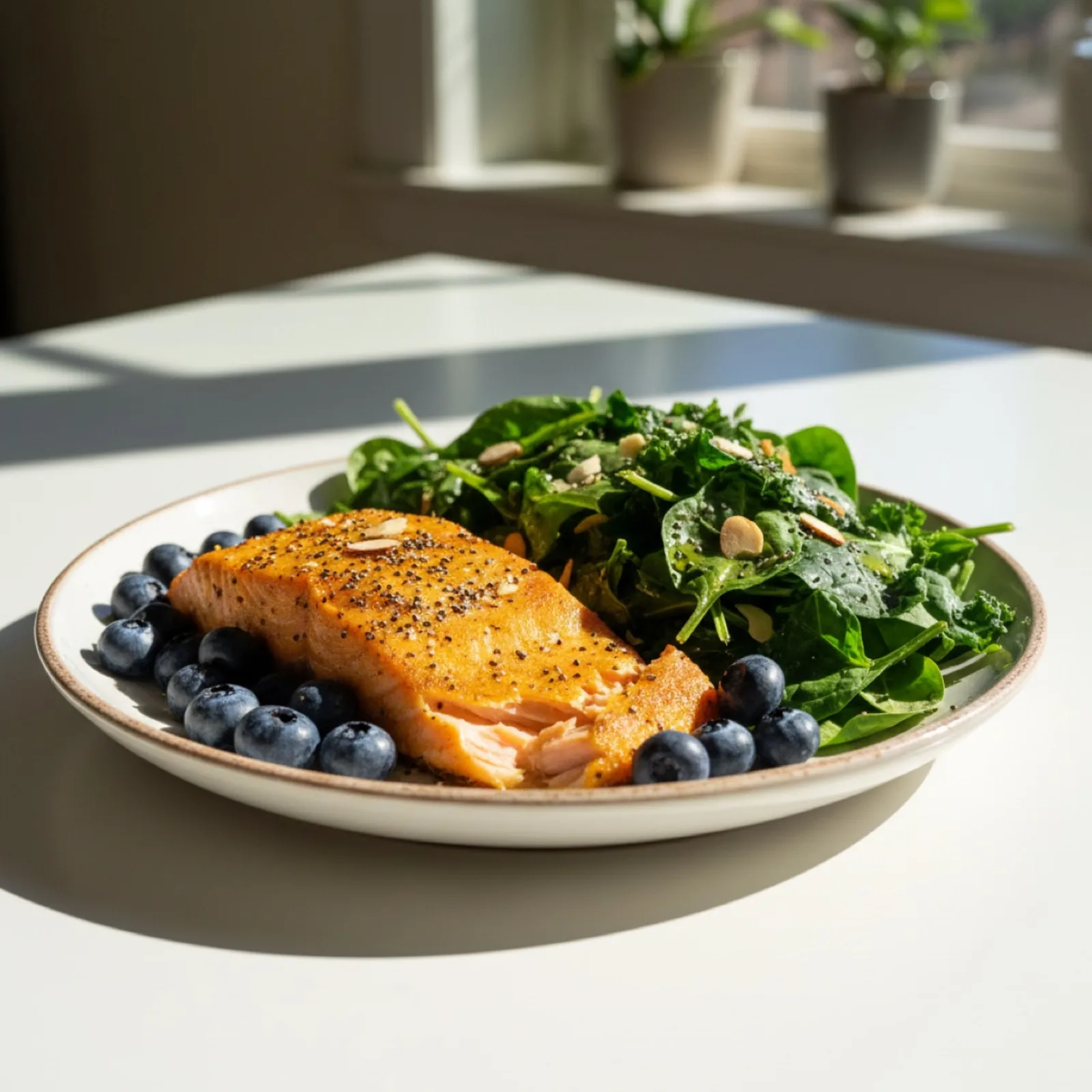
recipes
Fight inflammation naturally with these easy anti-inflammatory recipes. Meal ideas for breakfast, lunch and dinner. Perfect for busy moms.
Read more →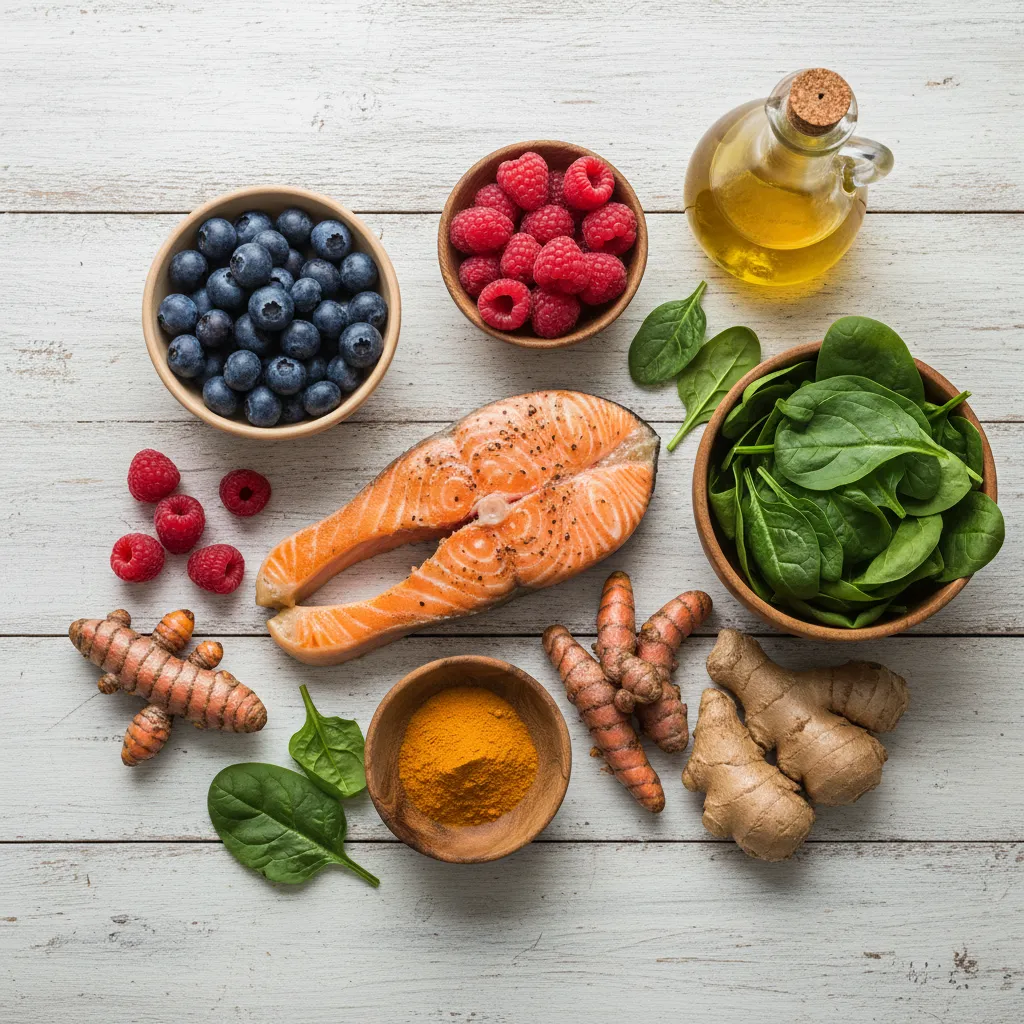
recipes
Add these 10 powerful anti-inflammatory foods to your daily diet. Science-backed choices easy to find at any grocery store — for women over 40.
Read more →
Get access to my VIP newsletter with health tips, special deals, my free ebook on Seven Small Easy Habits and so much more!