TL;DR – Quick Summary
- Vitamin E protects the lipid barrier and locks moisture in — it's found naturally in skin sebum
- Vitamin D deficiency is directly linked to dry, flaky skin conditions like eczema
- Niacinamide (B3) boosts ceramide production, strengthening the barrier that prevents water loss
The Question
Which vitamins actually help with dry skin — and is it better to take them as supplements, eat them in food, or apply them topically? Dry skin has several causes, and the vitamins that help depend on which part of the skin’s moisture system has broken down.
The Short Answer
Vitamins E, D, A, and niacinamide (B3) have the strongest evidence for addressing dry skin specifically. They work through different mechanisms — E and niacinamide strengthen the barrier that holds moisture in, D regulates barrier repair, and A promotes the skin cell renewal needed for a healthy surface layer. Most are most effective when used topically, though diet and supplementation support them from within.
The Full Answer
Vitamin E — The Barrier Protector
Vitamin E (tocopherol) is a fat-soluble antioxidant that occurs naturally in the skin’s sebum layer. Because it’s lipid-soluble, it integrates directly into cell membranes and the skin’s lipid barrier, protecting them from oxidative damage that can make the barrier leaky and prone to water loss. Dry skin types tend to have lower sebum production, which means less naturally occurring vitamin E and a more fragile barrier.
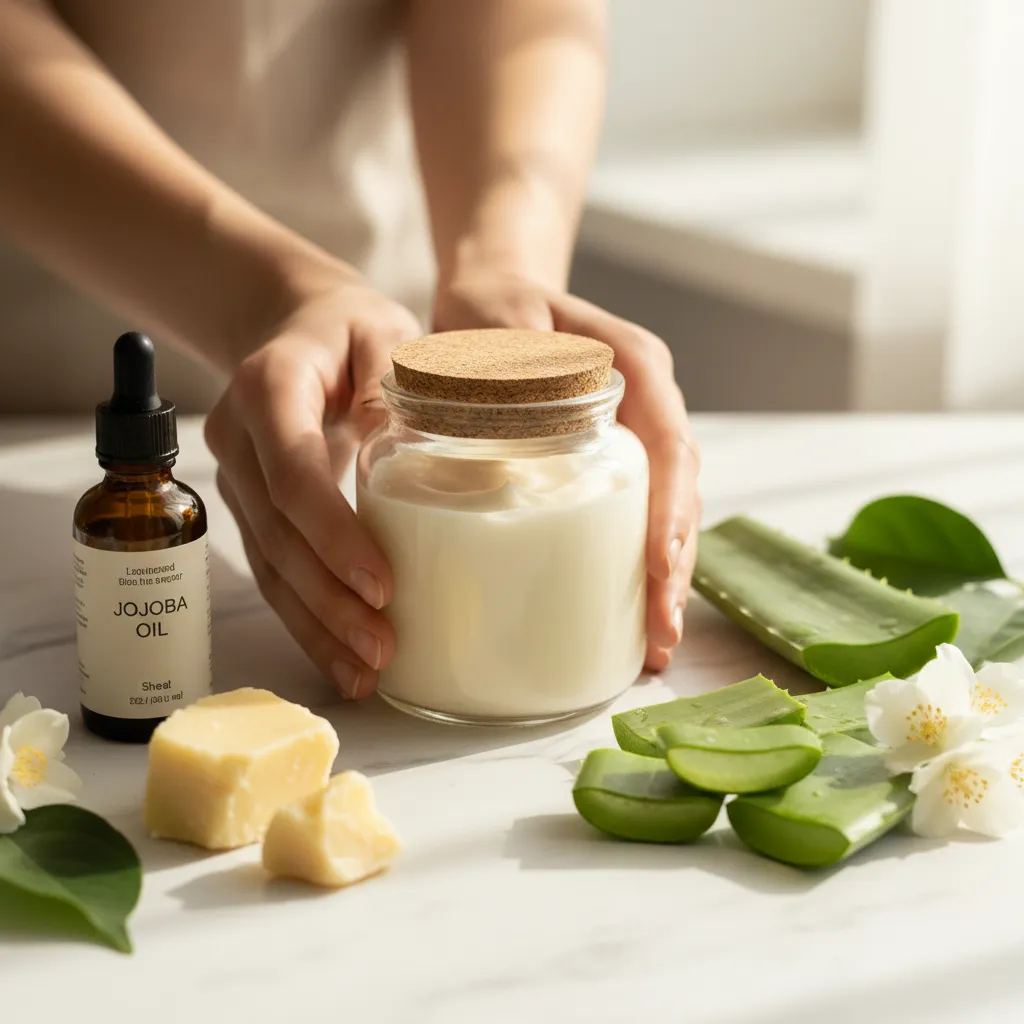
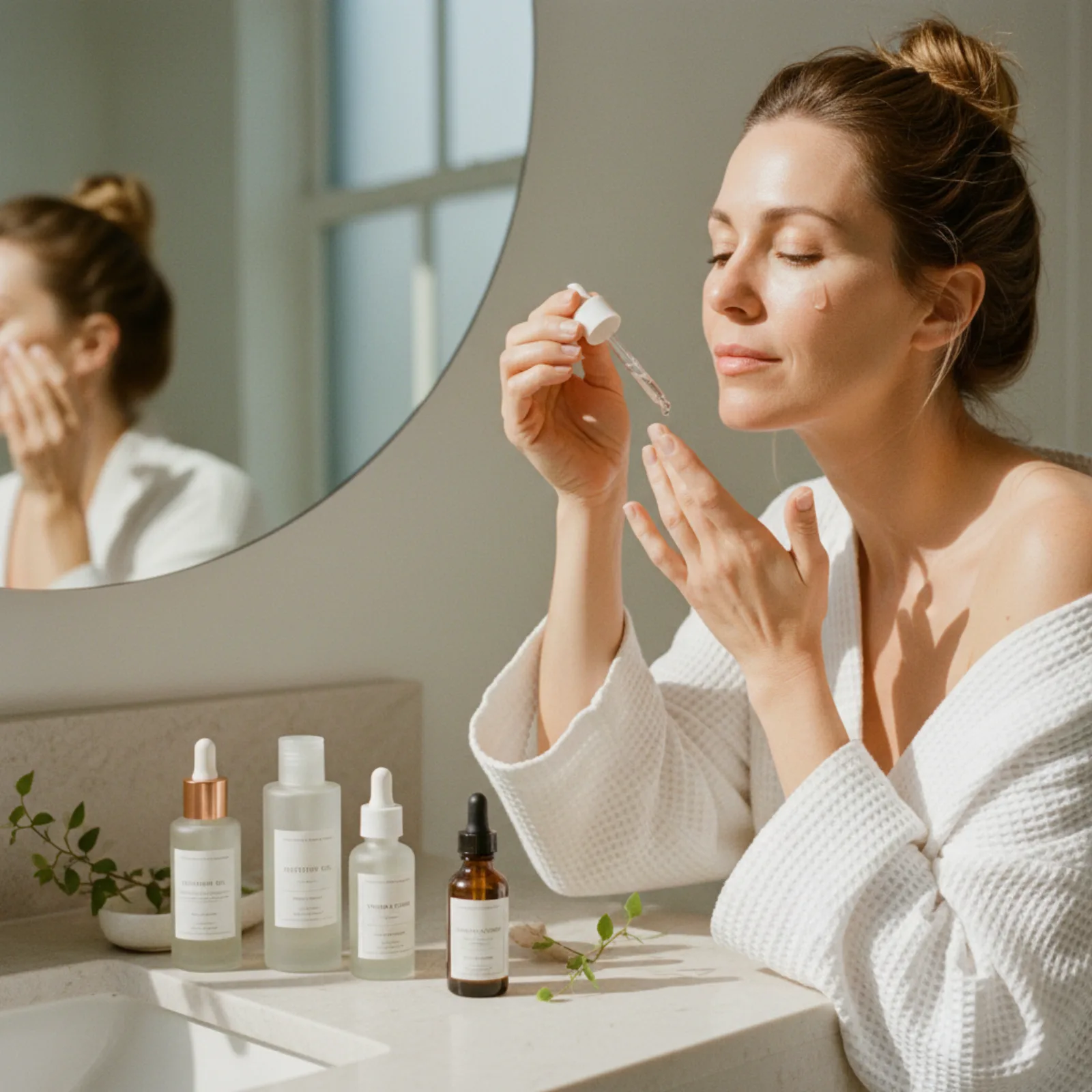
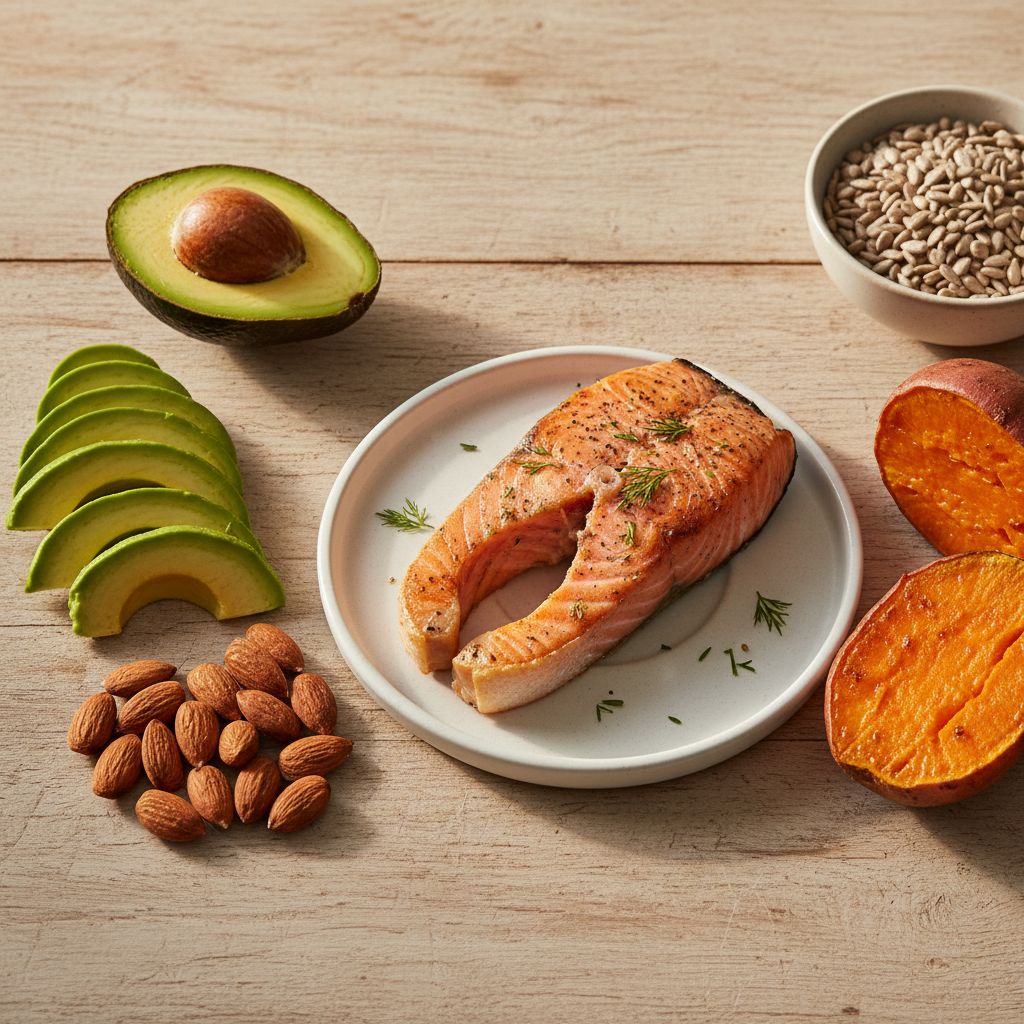
Topical vitamin E applied as an oil or in a cream helps reinforce this barrier. It works especially well when combined with vitamin C — the two antioxidants work synergistically, with C regenerating E after it neutralizes a free radical. Food sources high in vitamin E include sunflower seeds, almonds, avocado, and wheat germ oil.
Vitamin D — The Barrier Regulator
Vitamin D receptors are found throughout the skin, where they play a role in regulating the skin barrier and immune response. Research published in Nutrients (Mostafa & Hegazy, 2015) links low vitamin D levels to skin barrier dysfunction, including conditions like eczema and psoriasis — both of which present with chronic dryness and impaired moisture retention.
The skin produces vitamin D from UVB sun exposure, but most people — particularly in northern latitudes or during winter — are deficient. If your dry skin tends to worsen in winter, vitamin D deficiency is worth checking with your doctor. Dietary sources include fatty fish (salmon, mackerel), egg yolks, and fortified dairy or plant milks.
Vitamin A — The Cell Turnover Driver
Dry, flaky skin often comes down to impaired cell turnover — dead skin cells accumulate on the surface rather than shedding properly, leaving skin looking dull and rough. Vitamin A regulates this process by binding to retinoic acid receptors in skin cells, stimulating renewal and helping sebaceous glands function normally.
Severe vitamin A deficiency causes a condition called follicular hyperkeratosis, where skin becomes rough and bumpy. Even mild deficiency can slow cell renewal and impair the skin’s ability to produce new, healthy barrier cells. Provitamin A (beta-carotene) from food — carrots, sweet potatoes, leafy greens — is converted to retinol in the body. Topical retinol or retinoid products deliver it directly to skin cells for faster results.
Niacinamide (Vitamin B3) — The Ceramide Builder
Niacinamide is one of the most directly relevant vitamins for dry skin. It has been shown in multiple clinical studies to stimulate ceramide production in skin cells — and ceramides are the primary lipids that form the “mortar” between skin cells, holding the barrier together and preventing transepidermal water loss (TEWL).
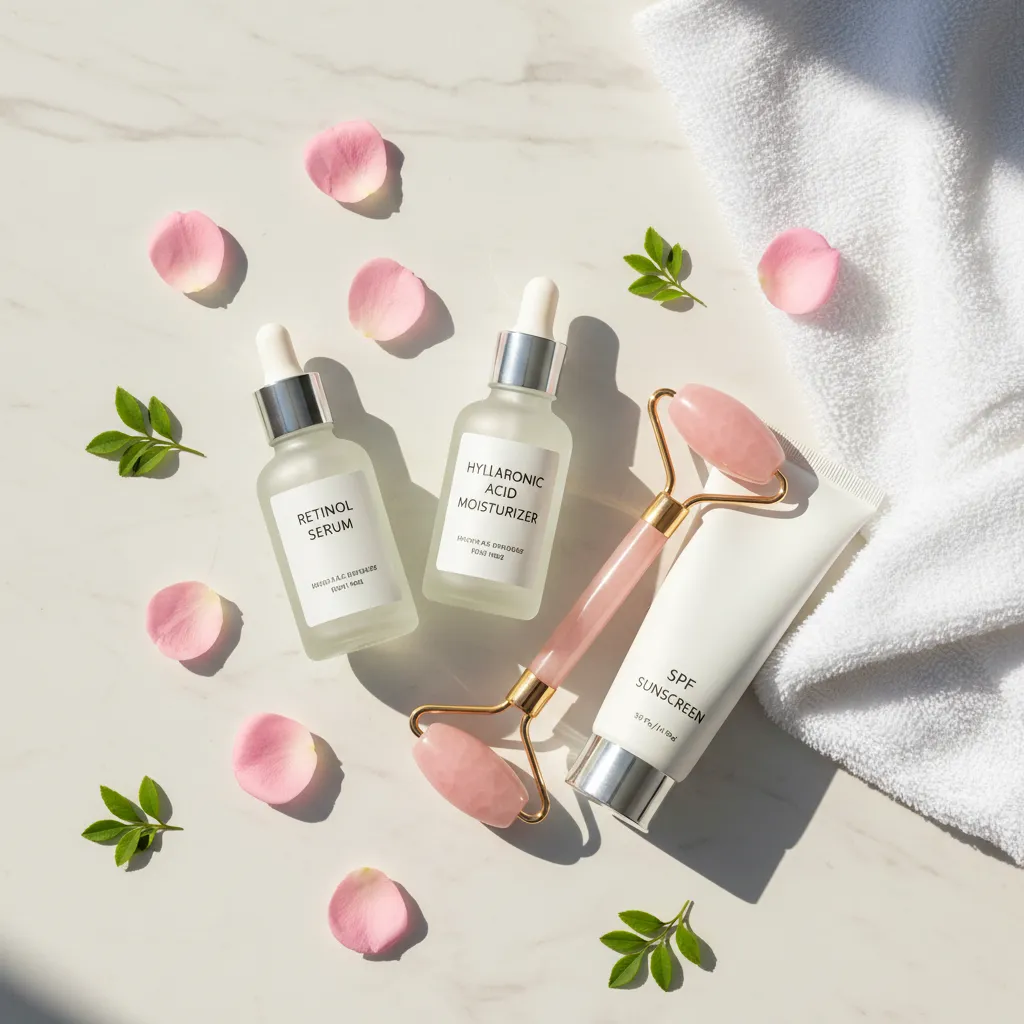
When ceramide levels are low, the barrier becomes permeable: water escapes, irritants get in, and skin feels perpetually dry and tight. Topical niacinamide — typically at 2–5% concentration — is effective, non-irritating, and works across all skin types. It also reduces redness and helps even skin tone as secondary benefits. Good food sources include chicken, tuna, peanuts, and brown rice, though topical application is more effective for barrier support.
Quick Recap
- Vitamin E reinforces the lipid barrier and reduces moisture loss from the surface
- Vitamin D regulates barrier repair — deficiency often underlies chronic dry skin
- Niacinamide builds ceramides that hold the barrier together and keep water in
Related Questions
Q: Is vitamin C good for dry skin? A: Vitamin C helps with collagen production and sun protection but isn’t primarily a moisturizing vitamin. It’s more relevant for brightness and anti-aging. For dry skin specifically, E, D, A, and niacinamide address the underlying causes more directly. More on skin vitamins →
Q: Does drinking enough water help with dry skin? A: Hydration from the inside helps, but water alone doesn’t prevent transepidermal water loss — that’s a barrier function. The vitamins and ingredients that strengthen the skin barrier have a bigger impact on dryness than water intake alone. More on hydration and skin →
Q: Can supplements alone fix dry skin? A: Supplements address deficiencies, but if your barrier is already compromised, topical application of niacinamide, vitamin E, and a good moisturizer will produce faster, more noticeable results. Supplements are the foundation; topicals do the targeted work.