TL;DR – Quick Summary
- Hyaluronic acid is a naturally occurring molecule in skin that draws and holds water — it decreases as we age
- Apply it to damp skin and seal immediately with moisturizer — on dry skin it pulls moisture from deeper layers instead
- Low molecular weight HA penetrates deeper; high MW stays on the surface as a humectant film
The Question
Hyaluronic acid appears in serums, creams, and even injectable fillers — but what does it actually do for skin, and is it worth using? With so many products claiming dramatic hydration results, it helps to understand the basic science.
The Short Answer
Hyaluronic acid (HA) is a sugar molecule (glycosaminoglycan) produced naturally by your body. In skin, it acts as a moisture-binding agent: it attracts water from the environment and from deeper tissue layers and holds it in the upper layers of the skin. As skin ages, its natural HA content decreases, which contributes to dryness and loss of plumpness. Topical HA serums supplement this loss — but only when used correctly.
The Full Answer
What Hyaluronic Acid Actually Is
Hyaluronic acid isn’t an acid in the harsh, exfoliating sense — the name comes from its chemical structure, not its effect on skin. It’s a polysaccharide (long chain sugar molecule) found throughout the body: in joints, eyes, and connective tissue, and in significant amounts in the dermis and epidermis of the skin.
Its key property is hygroscopy — it attracts and binds water molecules. HA is highly effective at this: it’s one of the most water-retaining substances found in human tissue. This is why it’s a central component of the skin’s natural moisture reservoir.
How It Changes With Age
Young skin contains high concentrations of HA in the dermis, which contributes to the plump, dewy appearance associated with youthful skin. As we age — particularly from the 40s onward — the skin’s ability to synthesize HA decreases and existing HA breaks down faster due to UV exposure and oxidative stress. The result is skin that holds less water, looks less full, and feels drier.
This is also why HA is used in injectable dermal fillers: injected directly into the dermis, it restores the moisture-binding volume that has been lost.
Topical Hyaluronic Acid: How It Works
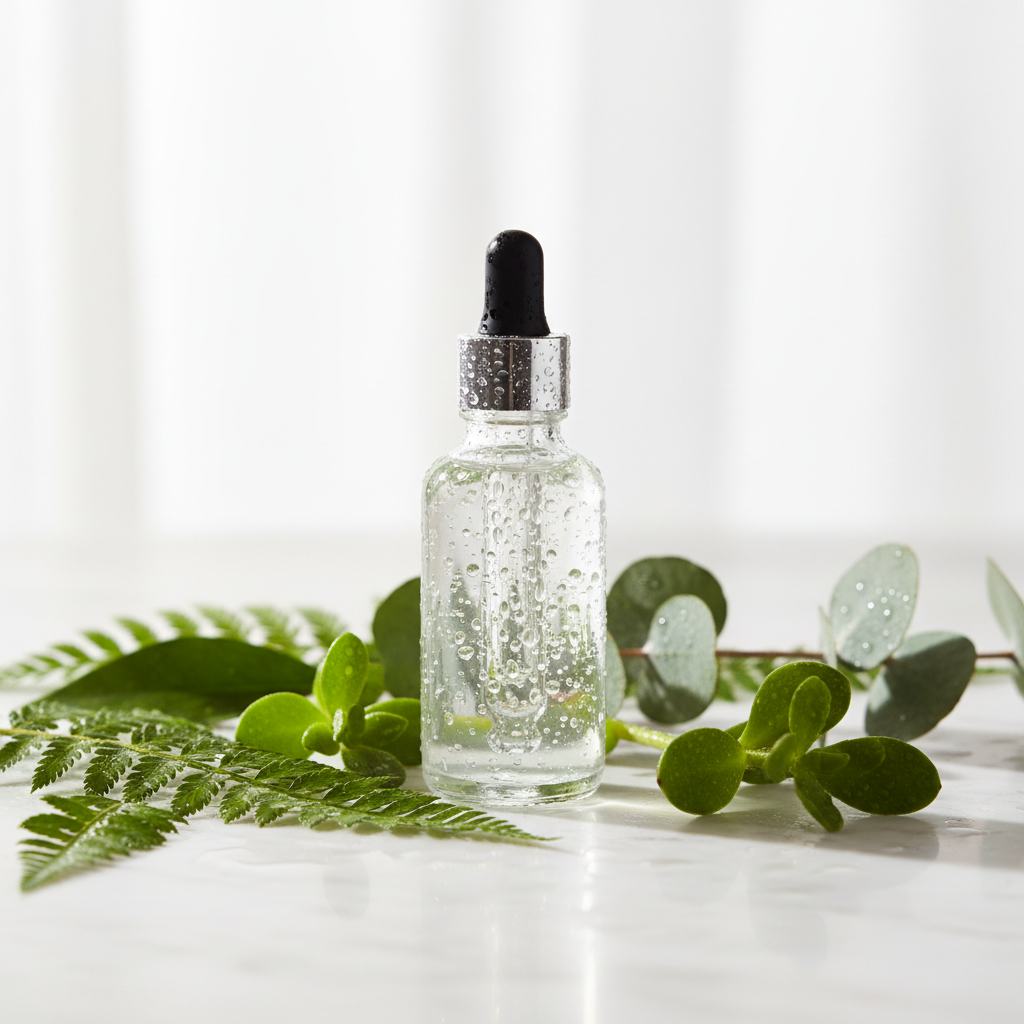
Topical HA serums apply HA to the surface of the skin, where it forms a film that draws moisture toward the upper skin layers. However, there are two important nuances to using it effectively:
Molecular weight matters. HA comes in different molecular sizes. High molecular weight HA is too large to penetrate skin — it sits on the surface and forms a moisture-retaining film, reducing water evaporation. Low molecular weight HA is smaller and can penetrate into the upper epidermis, delivering hydration closer to where it’s needed. Many quality serums combine both for surface and deeper hydration.
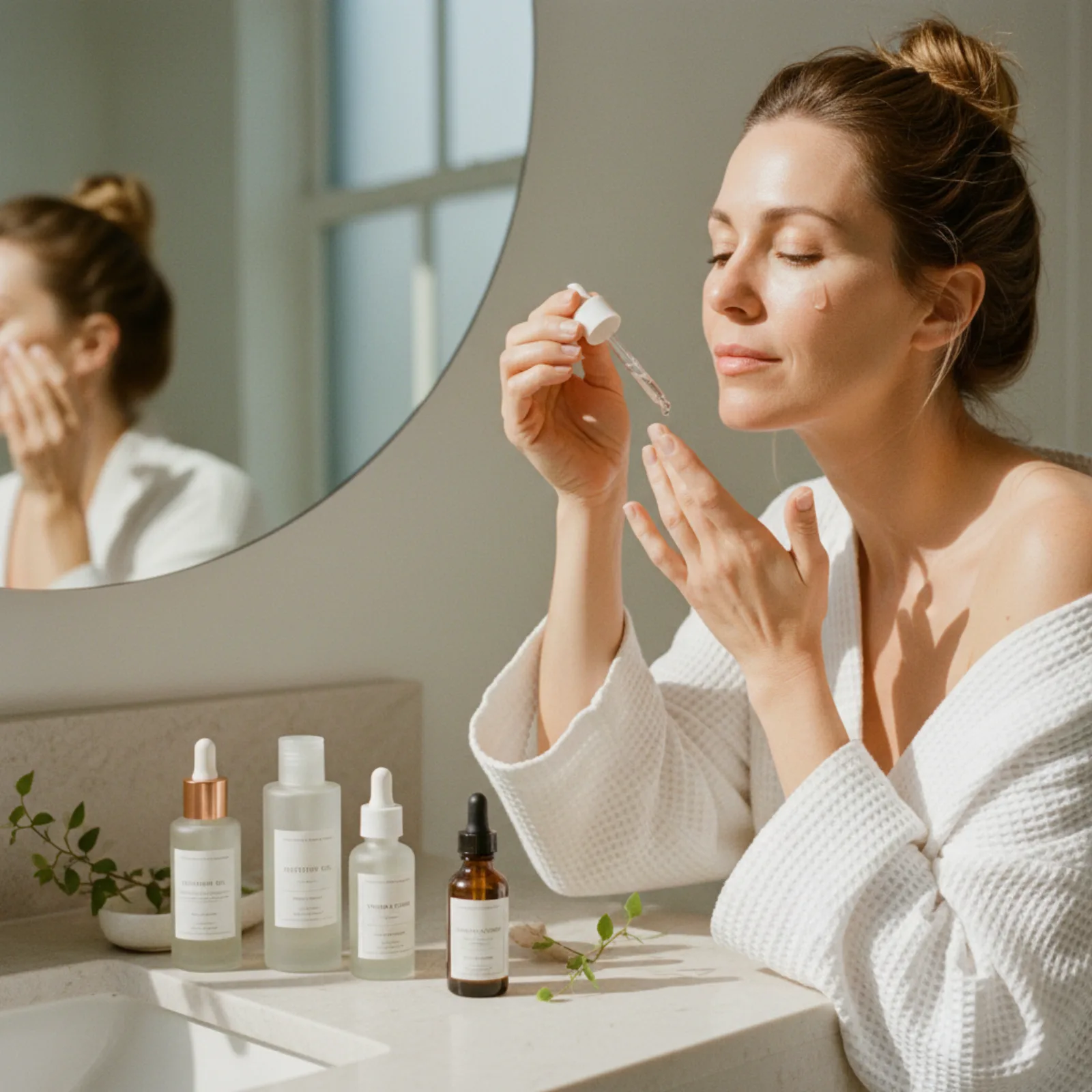
It needs to be sealed. HA is a humectant — it pulls water toward itself. Applied to damp skin in a humid environment, it draws moisture from the air. Applied to dry skin or in a dry climate without a sealer, it can draw moisture from deeper skin layers instead, potentially worsening dryness. The correct approach: apply to damp skin immediately after cleansing, then follow within 30–60 seconds with a moisturizer or facial oil to lock the moisture in. This is the single most important point about using HA serums correctly.
Natural Sources and Production
Your body naturally produces HA from amino acids and glucose. There is no direct dietary source of hyaluronic acid, but certain foods may support the body’s ability to synthesize it:
- Bone broth contains glucosamine and other building blocks your body uses to produce HA and other connective tissue components.
- Leafy greens and root vegetables provide magnesium, which is needed for HA synthesis enzymes.
- Foods high in antioxidants (berries, citrus, green tea) help protect existing HA from oxidative breakdown caused by UV exposure.
For topical application, HA is typically derived from bacterial fermentation (vegan) or from animal connective tissue. Most skincare-grade HA is produced via fermentation.
What It Won’t Do
HA is a hydrator, not a repair agent. It doesn’t rebuild collagen, reduce hyperpigmentation, or treat acne on its own. For anti-aging, it works best as part of a routine that also includes vitamin C (collagen support), retinol or natural alternatives (cell turnover), and daily SPF (preventing further HA degradation from UV).
Quick Recap
- Hyaluronic acid is a natural skin component that holds water and decreases with age
- Apply to damp skin and seal immediately — otherwise it may draw moisture from deeper layers
- Molecular weight determines whether it acts on the surface or penetrates deeper
Related Questions
Q: Is hyaluronic acid the same as a moisturizer? A: No. HA is a humectant — it attracts and holds water. A moisturizer is usually a combination of humectants, emollients (oils), and occlusives. HA serum works best used before your moisturizer, not as a replacement for it.
Q: Can I use hyaluronic acid every day? A: Yes. It’s one of the gentlest skincare ingredients and is safe for daily use, including sensitive and acne-prone skin. It doesn’t cause photosensitivity, so it can be used in both morning and evening routines.
Q: What natural ingredients work like hyaluronic acid? A: Vegetable glycerin and aloe vera gel both attract moisture similarly to HA, though they’re less effective at binding as much water. They’re good lower-cost alternatives for DIY applications. More on natural retinol alternatives →