skincare
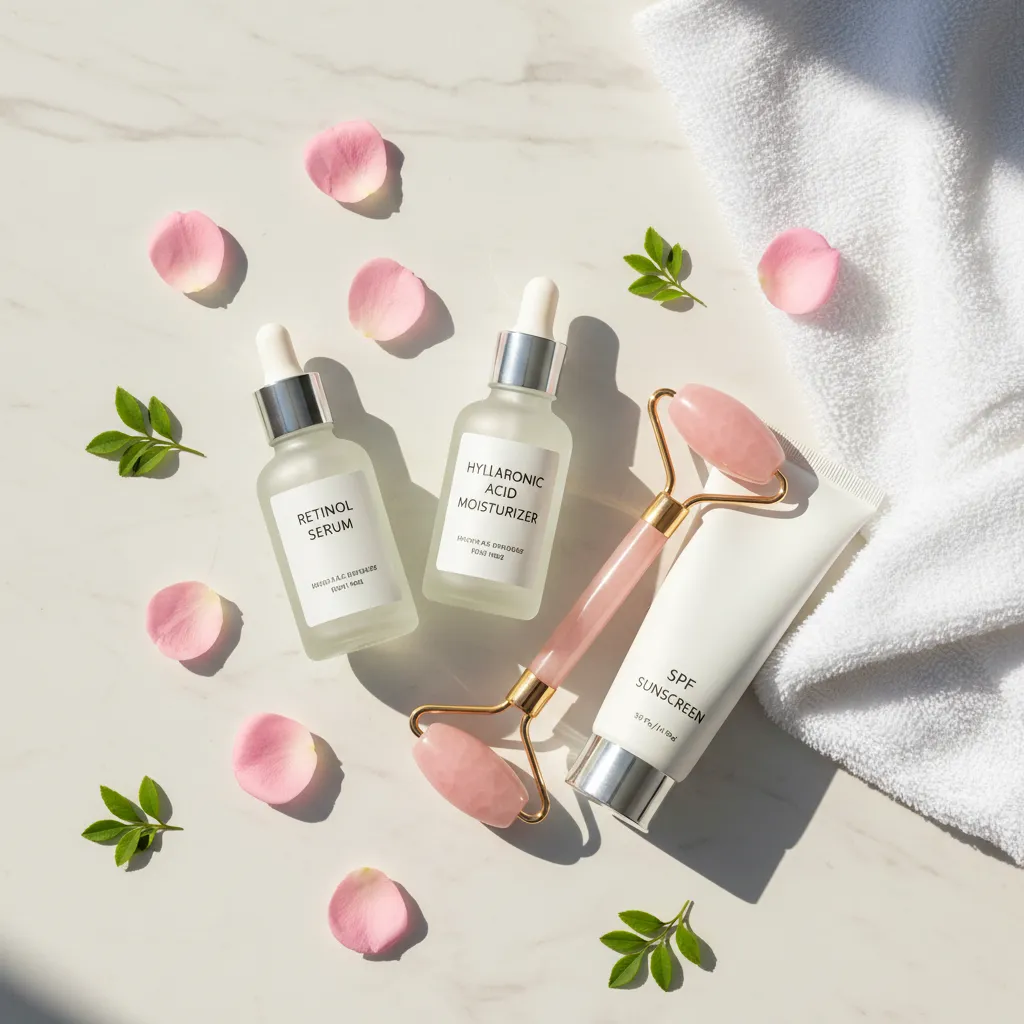
Anti-Aging Skincare Tips for Women Over 40
Five ingredients that move the needle on skin aging after 40 — retinol, hyaluronic acid, daily SPF, eye area care, and why sleep beats any serum.
Read more →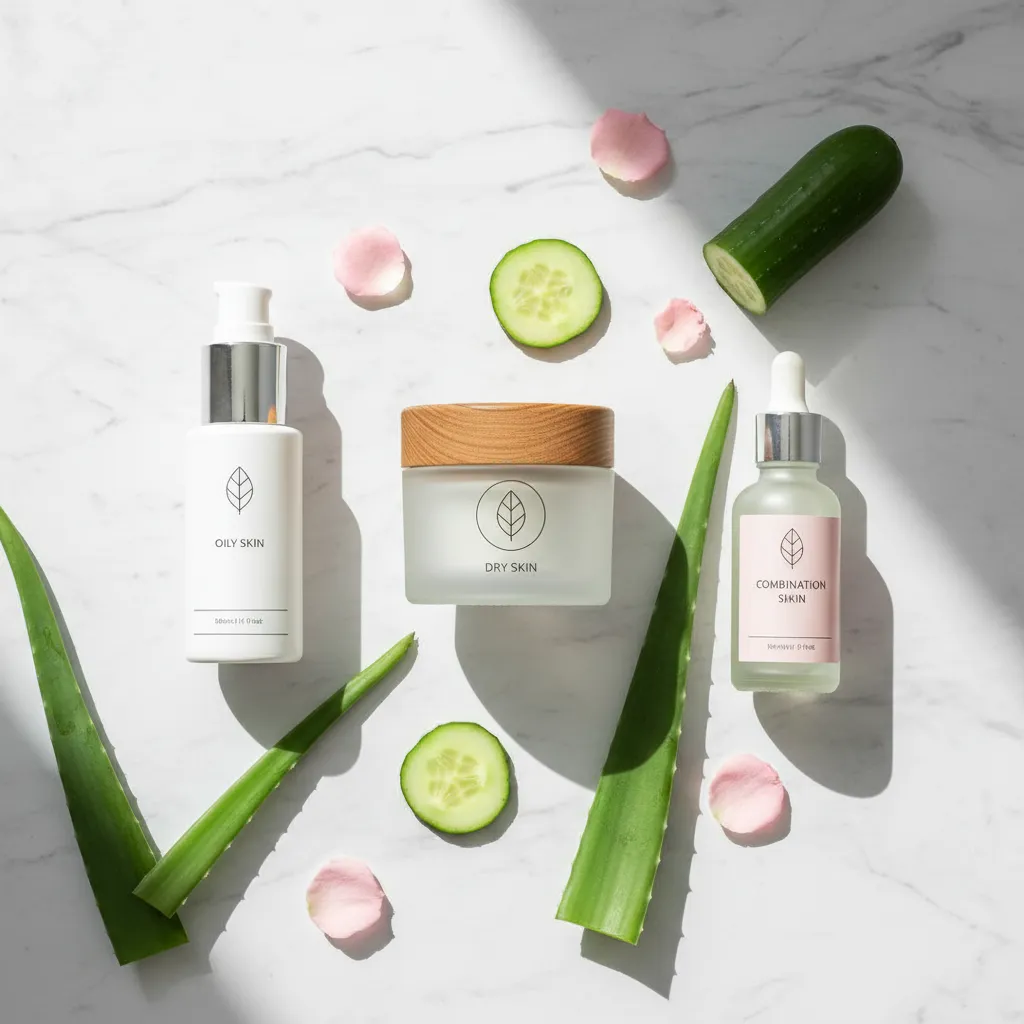
📋 Quick Summary
Walk down the skincare aisle in any drugstore and you’ll find dozens of moisturizers — labeled for “anti-aging,” “brightening,” “intensive repair,” “gel-cream,” “oil-free,” and more. The number of options can make an already confusing task feel impossible.
The good news: choosing a moisturizer doesn’t have to be complicated. It comes down to four factors: your skin type, what the label actually means, when you’re using it, and what time of year it is. Once you understand these four things, the decision becomes much clearer.
Your skin type is the single most important factor in choosing a moisturizer. Using the wrong formula — even a high-quality one — can leave your skin feeling worse, not better.
Dry skin needs moisturizers that replenish lipids (fats) and create a stronger barrier. Look for formulas that contain one or more of these: shea butter, cocoa butter, ceramides, squalane, or plant-based oils like argan or jojoba. Heavier cream formulations work better than gels or light lotions. If your skin feels tight after cleansing, or flakes during dry weather, you likely have dry skin.
Oily or acne-prone skin needs moisturizer too — this is one of the most common skincare myths to debunk. Skipping moisturizer doesn’t prevent oil production; it can actually increase it. The key is using the right formula: a lightweight, non-comedogenic (won’t clog pores) gel or gel-cream. Look for hyaluronic acid, niacinamide, or aloe vera as the primary moisturizing ingredients. Avoid products with heavy oils like coconut oil or mineral oil if you’re acne-prone.
Combination skin — typically oily in the T-zone (forehead, nose, chin) and dry on the cheeks — does best with a lightweight moisturizer applied all over, with an optional richer product used only on the drier areas. A gel-cream with hyaluronic acid and a small amount of glycerin usually works well.
Sensitive skin needs to avoid potential irritants: synthetic fragrance (listed as “parfum” or “fragrance”), alcohol near the top of the ingredient list, and high concentrations of active ingredients like AHAs or vitamin C. Look for short, simple ingredient lists with soothing ingredients: aloe vera, centella asiatica (cica), colloidal oatmeal, or ceramides.
Normal skin has the most flexibility. A lightweight daily moisturizer with SPF for mornings and a slightly richer formula for evenings covers the essentials.
You don’t need to memorize 200 skincare ingredients, but knowing a few categories helps you evaluate what you’re buying.
Humectants attract water to the skin. These are the ingredients doing the actual hydrating work:
Emollients fill the gaps between skin cells and improve texture and softness:
Occlusives sit on top of the skin and prevent water from evaporating:
A good moisturizer typically contains all three categories. Look for at least one humectant and one emollient near the top of the ingredient list. For dry skin, an occlusive ingredient — even a small amount — makes a significant difference.
Watch for potential irritants:
The same moisturizer doesn’t need to work for every time of day, and in fact, using different formulas for morning and night can significantly improve your results.
Morning moisturizer priorities:
Evening moisturizer priorities:
If you only want to use one moisturizer, choose a lightweight, SPF-free formula that works well under sunscreen for day use, and apply it morning and night.
Your skin’s needs change throughout the year, and using the same moisturizer in January as you do in August isn’t always optimal.
Fall and winter: Colder temperatures, lower humidity, and indoor heating all strip moisture from the air and from your skin. Upgrade to a richer formula than you use in warmer months. Adding a facial oil — rosehip, argan, or squalane — on top of your moisturizer provides extra protection for the skin barrier in very cold or windy conditions.
Spring and summer: Humidity helps, so you may find you need a lighter formula to avoid that heavy, congested feeling. Gel moisturizers and lotions often feel more comfortable in warmer weather. If you tend toward breakouts in summer, switching to an oil-free formula during these months can help.
If you live in a dry climate year-round: Treat every season like winter. Layer a humectant serum (hyaluronic acid or glycerin-based) under your moisturizer to build more hydration before you seal it in.
When you’re standing in the skincare aisle evaluating two products, ask yourself three questions:
You don’t need the most expensive moisturizer on the shelf. Some of the most effective formulas are available at drugstore prices. What matters is matching the formula to your actual skin needs — not the marketing copy on the front of the bottle. → Explore more in our Skincare Hub.
skincare
Five ingredients that move the needle on skin aging after 40 — retinol, hyaluronic acid, daily SPF, eye area care, and why sleep beats any serum.
Read more →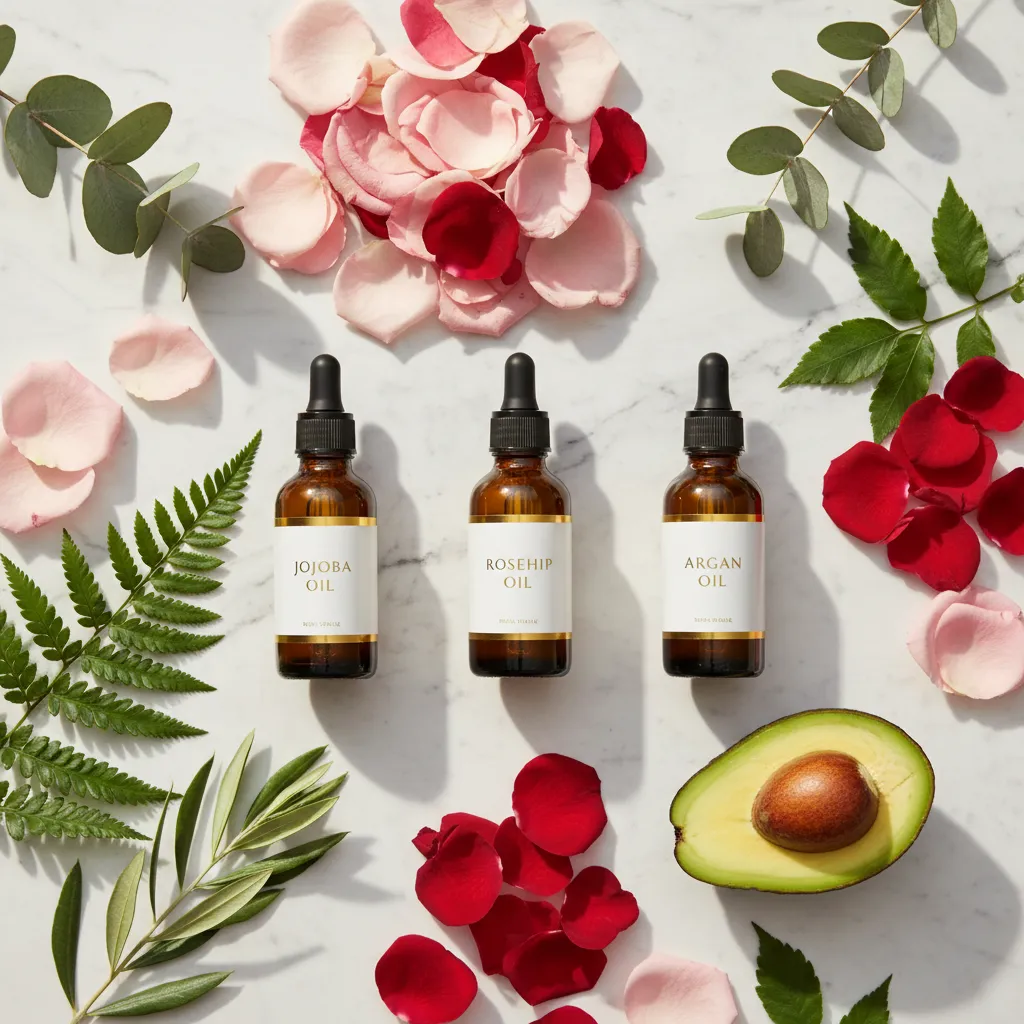
skincare
Which face oils genuinely help mature skin — and which are just expensive bottles of empty hype. An honest, clear breakdown.
Read more →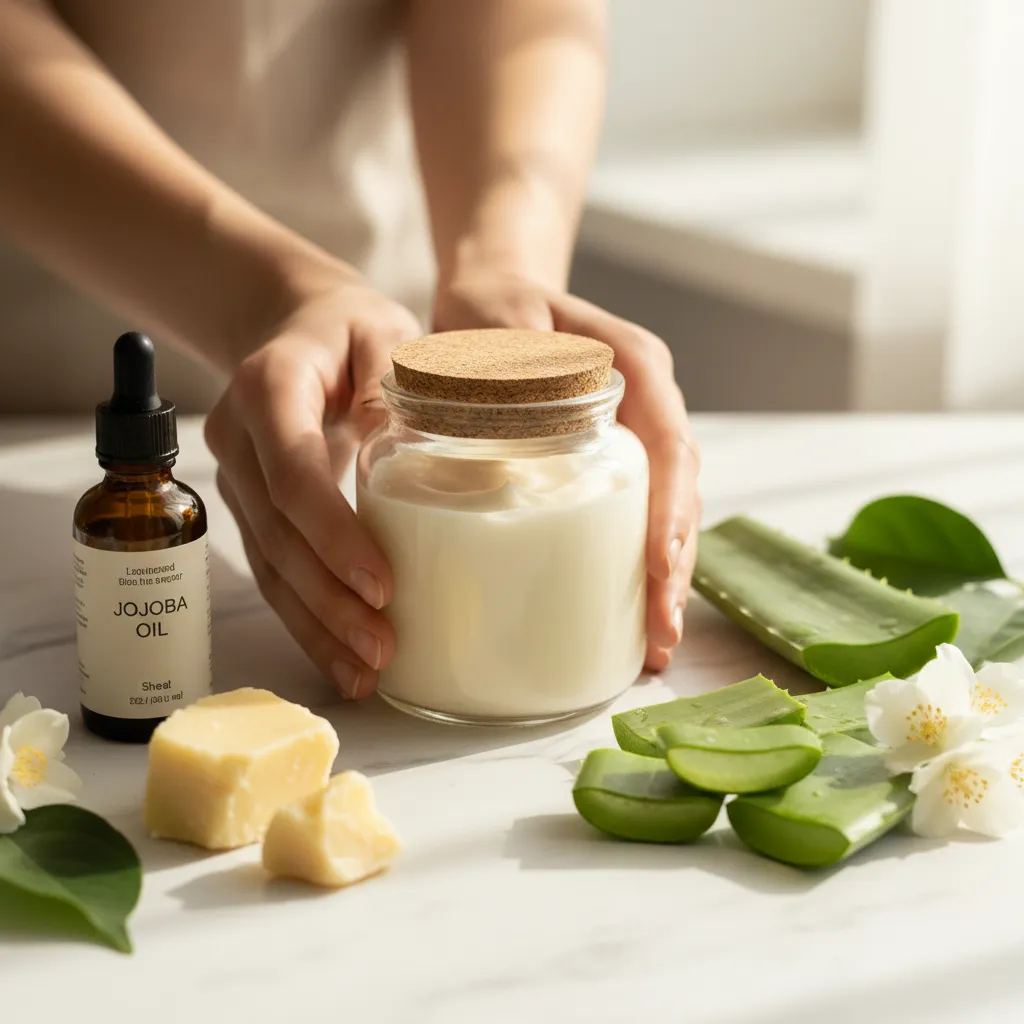
skincare
Best natural moisturizers for dry skin — from shea butter to squalane. Evidence-based ingredients, a DIY recipe, and what dermatologists recommend.
Read more →
Get access to my VIP newsletter with health tips, special deals, my free ebook on Seven Small Easy Habits and so much more!