TL;DR – Quick Summary
- Bone broth, chicken skin, and fish skin are the richest whole-food collagen sources
- Your body still needs to break collagen into amino acids before rebuilding it
- Vitamin C-rich foods are essential for collagen synthesis regardless of your diet
The Question
You’ve probably heard that collagen keeps skin firm and joints flexible — but what foods actually contain it, and does eating collagen translate to more collagen in your skin? The answer is more nuanced than supplement marketing suggests.
The Short Answer
Collagen is a structural protein found in the connective tissue, skin, and bones of animals. The richest food sources are bone broth, chicken skin, pork skin, fish skin, and cartilage. Your body digests dietary collagen into amino acids (mainly glycine, proline, and hydroxyproline) and then reassembles them — so getting enough vitamin C alongside these foods is just as important as the collagen itself.
The Full Answer
Animal Sources with the Most Collagen
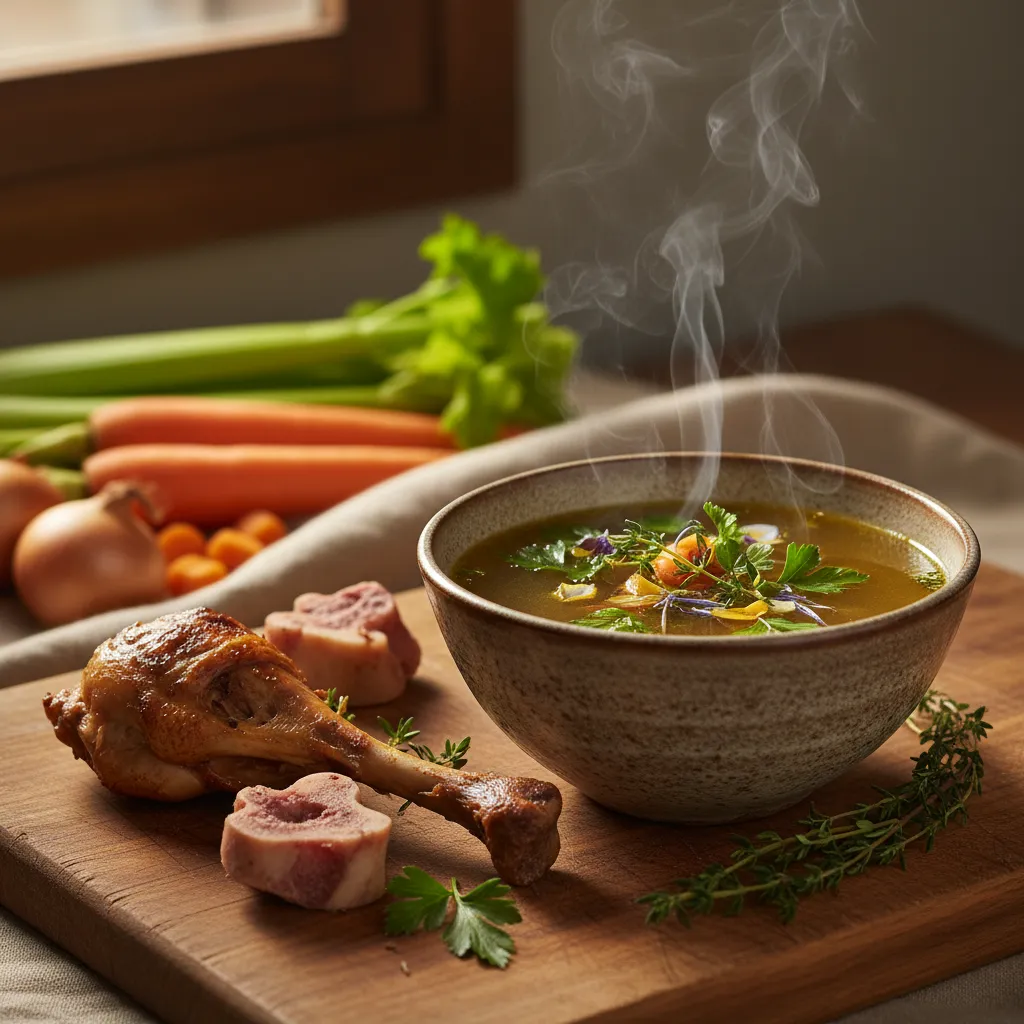
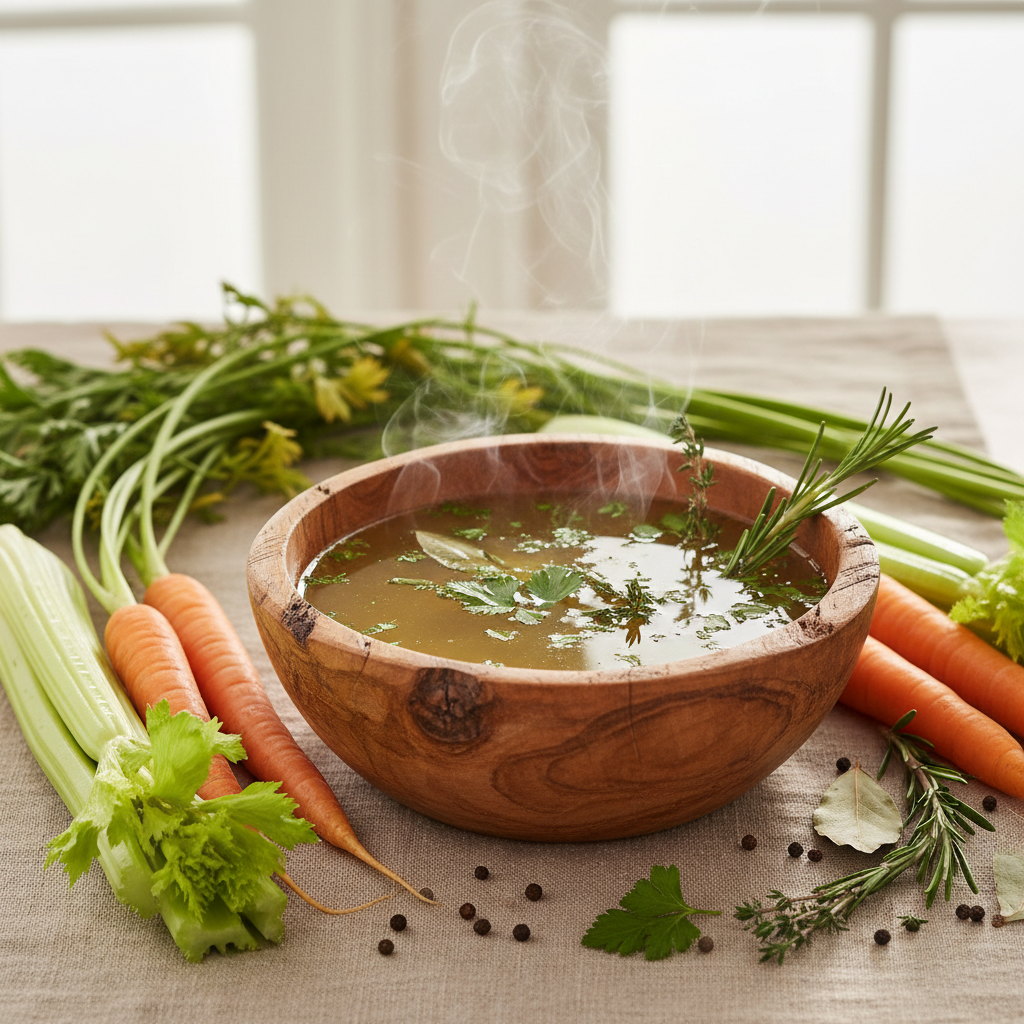
Bone broth is consistently cited as one of the most collagen-dense foods because it’s made by simmering bones and connective tissue for extended periods, which breaks down collagen into gelatin. Research from Journal of Agricultural and Food Chemistry (Shaw et al., 2017) confirmed that chicken bone broth contains measurable collagen-derived peptides after cooking.
Chicken — particularly skin and cartilage — is a major collagen source. Type II collagen, which supports joint cartilage, is concentrated in chicken sternum cartilage. Chicken thighs with skin contain notably more collagen than skinless breast meat.
Pork skin (chicharrones) and pork rinds are among the most concentrated whole-food sources of collagen peptides. Not glamorous, but effective if you’re looking for a high-collagen snack.
Fish and fish skin are rich in marine collagen, which is predominantly Type I — the same type found in human skin and bones. Fish collagen peptides are smaller in molecular size than bovine collagen, which some researchers (Daneault et al., 2017, Journal of Functional Foods) suggest may improve absorption. Salmon, cod, tuna, and mackerel skin are the highest sources.
Egg whites don’t contain collagen directly, but they’re rich in proline and glycine — two of the three key amino acids needed for your body to build collagen. They also contain a small amount of the collagen precursor hydroxyproline.
The Plant-Based Side of the Equation
Strictly speaking, plants do not contain collagen — it’s an animal protein. However, certain plant foods support your body’s own collagen production:
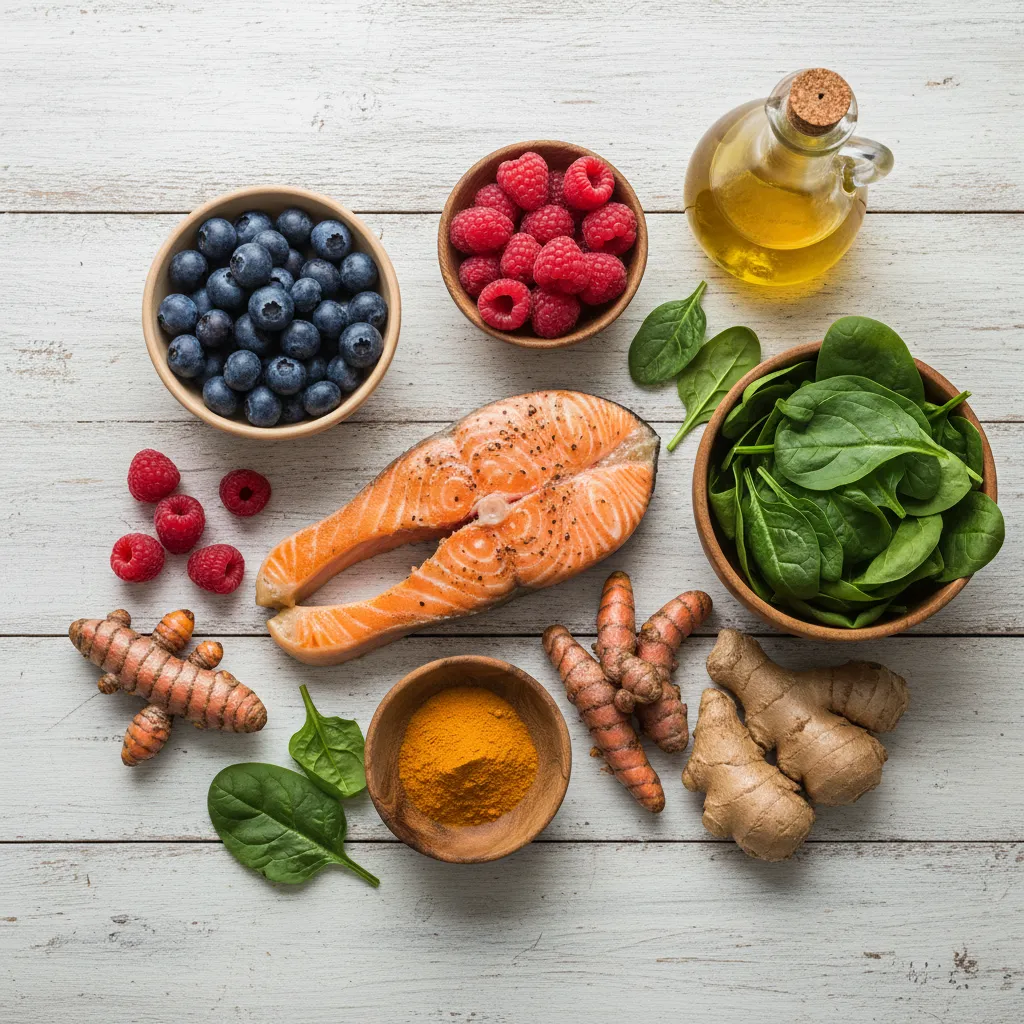
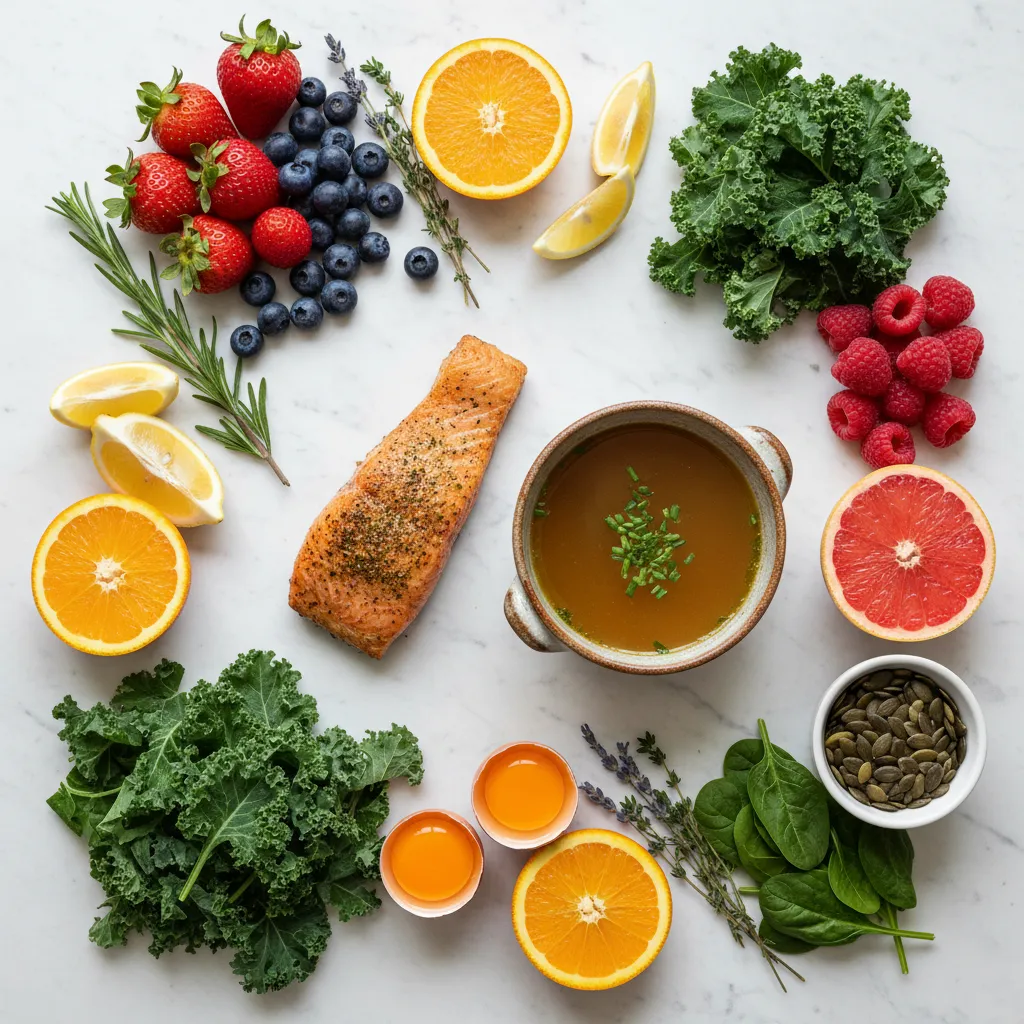
- Vitamin C (bell peppers, citrus, kiwi, strawberries) is required for the enzyme prolyl hydroxylase to stabilize collagen chains. Without adequate vitamin C, newly formed collagen degrades rapidly.
- Copper (cashews, sesame seeds, lentils) is a cofactor for lysyl oxidase, which cross-links collagen fibers to make them structurally strong.
- Zinc (pumpkin seeds, chickpeas, beef) supports collagen synthesis enzymes and tissue repair.
Does Eating Collagen Actually Work?
Your digestive system breaks dietary collagen into individual amino acids before it reaches your bloodstream — it doesn’t arrive at your skin intact. However, a 2019 systematic review in the Journal of Drugs in Dermatology (Choi et al.) analyzing 11 studies found that oral collagen peptide supplementation was associated with statistically significant improvements in skin elasticity and hydration. The working theory is that collagen-derived peptides may signal fibroblasts (skin cells) to increase their own collagen production.
Quick Recap
- Bone broth, chicken skin, fish skin, and pork skin are highest in dietary collagen
- Plant foods support collagen synthesis but don’t contain collagen themselves
- Pair collagen foods with vitamin C sources to maximize your body’s ability to use them
Related Questions
Q: Is collagen powder the same as eating collagen-rich foods? A: Collagen peptide powders are hydrolyzed — pre-broken into smaller peptides — which may improve absorption compared to whole food sources. Both work through the same amino acid pathway, but supplements provide a more concentrated dose. See collagen-boosting foods →
Q: Does cooking destroy collagen in food? A: Heat actually helps break down collagen into gelatin, making it easier to digest. Long slow cooking (braising, simmering) releases more collagen than quick high-heat methods. Bone broth requires 6–24 hours of simmering to fully extract collagen.
Q: At what age does collagen production start declining? A: Collagen production typically starts declining around age 25 at roughly 1% per year, according to research cited in Frontiers in Aging (2021). By the time visible changes appear, the cumulative loss can be significant — which is why consistent dietary support matters from early adulthood onward.