skincare
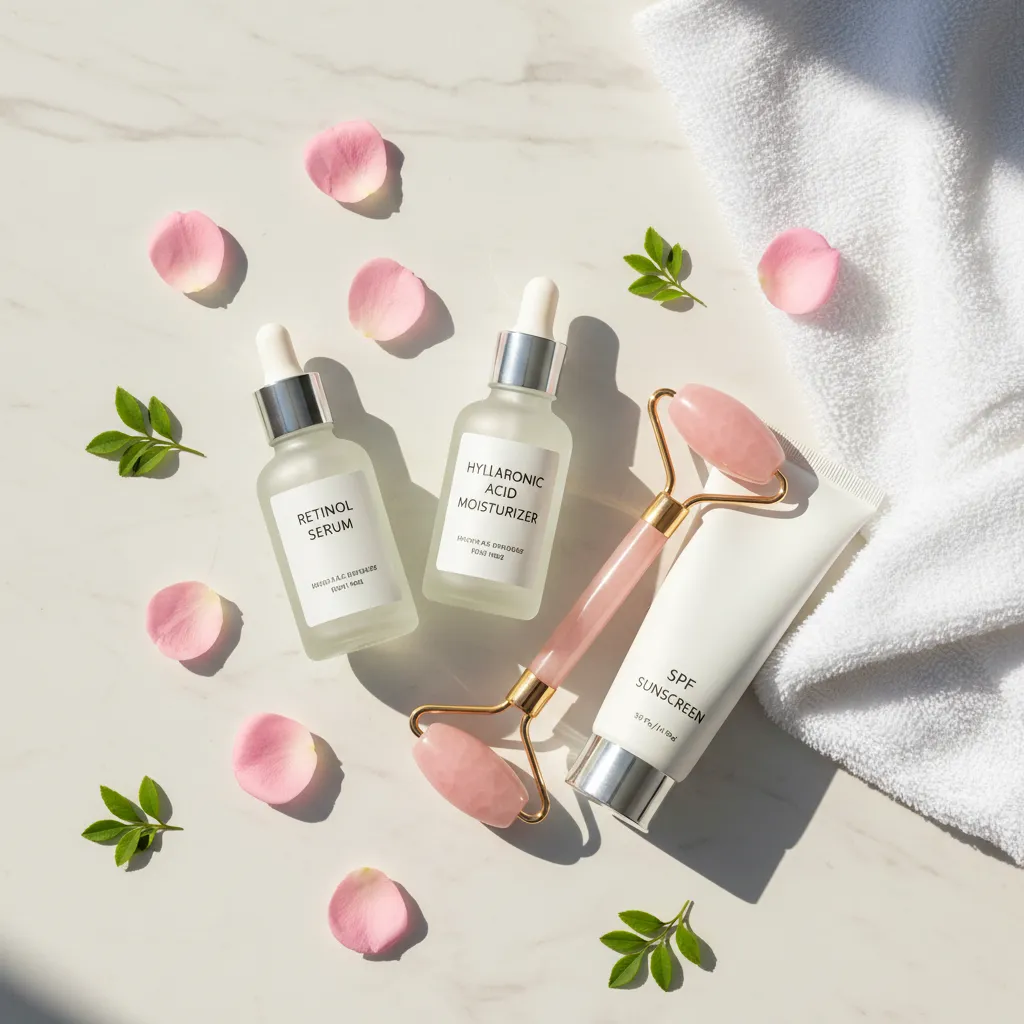
Anti-Aging Skincare Tips for Women Over 40
Five ingredients that move the needle on skin aging after 40 — retinol, hyaluronic acid, daily SPF, eye area care, and why sleep beats any serum.
Read more →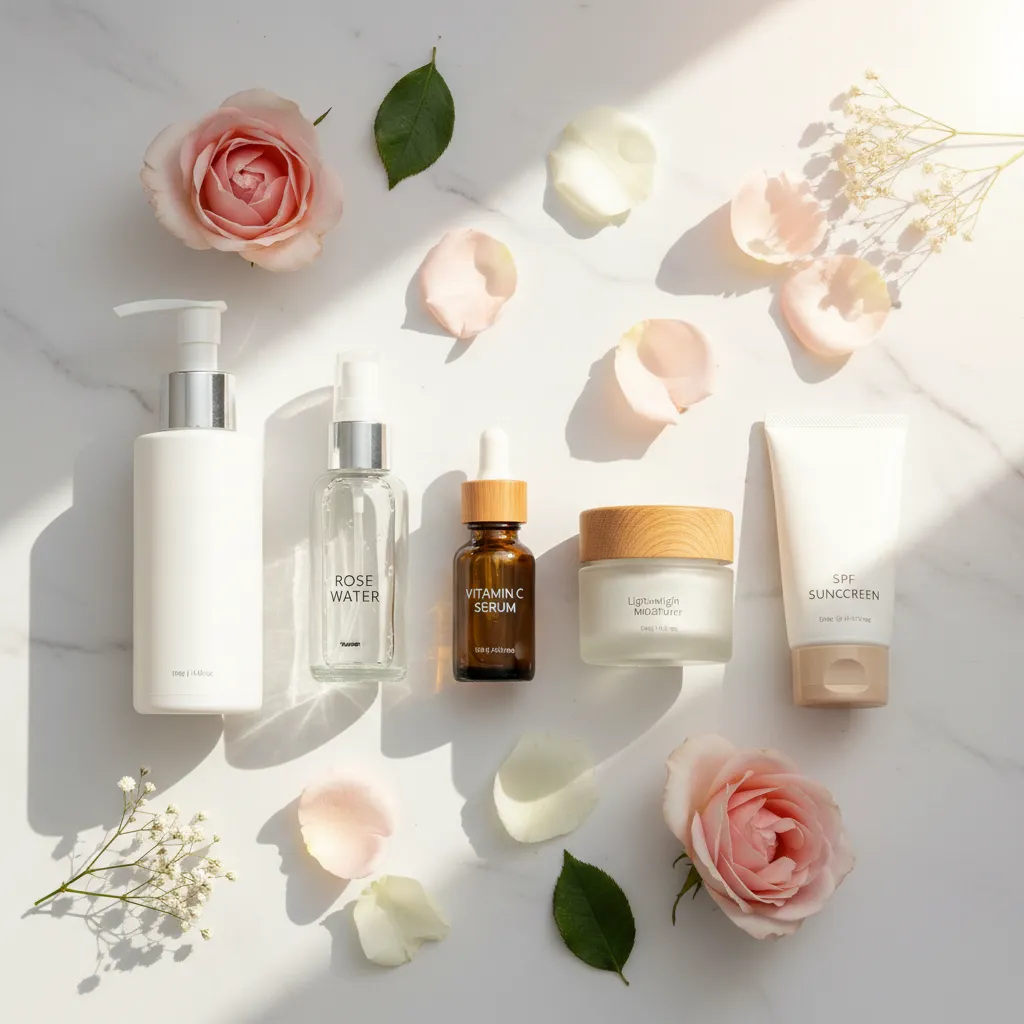
📋 Quick Summary
A good morning skincare routine doesn’t need to take 45 minutes or involve 11 products. What it does need is structure — the right steps in the right order — and ingredients that actually do what you need them to do.
This guide walks through five core steps that work for most women, particularly those in their late 30s through 50s. Each step serves a specific purpose, and understanding the “why” behind each one makes it far easier to stick to consistently.
Your skin isn’t actually dirty when you wake up — it hasn’t been exposed to pollution, sweat, or sunscreen overnight. But it has been producing sebum and shedding dead skin cells while you slept, and your pillowcase has been in contact with it for 7–8 hours.
A gentle cleanse in the morning removes this overnight buildup without stripping your skin’s natural oils.
What to use: A creamy or mild foam cleanser with a short ingredient list. For dry or sensitive skin, even a rinse with cool water followed by a gentle splash of micellar water can be enough. Avoid anything labeled “deep cleansing” or “purifying” — these tend to be too harsh for daily morning use.
How to do it: Use lukewarm water (never hot), massage for about 30 seconds, and pat dry with a clean cloth. Rubbing dry pulls at the skin and over time contributes to irritation and fine lines.
Toning has a bit of a mixed reputation — old-school astringent toners were genuinely too harsh and stripped the skin. Modern toners are different: they’re typically hydrating, pH-balancing, and can carry lightweight active ingredients to the skin.
After cleansing, your skin’s pH can shift slightly. A gentle toner helps restore balance and preps the skin to absorb the next steps more effectively.
What to use: A hydrating toner with ingredients like rose water, aloe vera, niacinamide, or hyaluronic acid. Avoid anything with alcohol listed as one of the first ingredients — that’s a sign it’s drying.
DIY option: Pure rose water (widely available and inexpensive) works well as a natural toner. Splash it on or apply with a cotton pad.
How to do it: Apply to slightly damp skin — either pat on with clean hands or press in gently with a cotton pad. No need to rub.
Serums are where most of the active skincare work happens. They’re formulated to deliver concentrated ingredients — vitamin C, hyaluronic acid, niacinamide — in a lightweight base that absorbs quickly.
In the morning, a vitamin C serum is hard to beat. Vitamin C is an antioxidant that helps neutralize free radical damage from UV exposure and pollution throughout the day. It also supports collagen production and can gradually reduce hyperpigmentation and uneven tone.
What to use: A vitamin C serum with L-ascorbic acid (the most studied form) at around 10–15% concentration, or a more stable derivative like sodium ascorbyl phosphate if your skin is sensitive. Look for a serum that’s stored in a dark or opaque bottle — vitamin C degrades with light exposure.
How to do it: Apply 3–5 drops to slightly damp skin after toning. Press in gently rather than rubbing. Let it absorb for about a minute before moving to the next step.
Moisturizer locks in everything you’ve applied, supports the skin barrier, and provides a smooth surface for sunscreen application. In your 40s and beyond, the skin’s ability to retain moisture decreases, which makes this step non-negotiable even for skin that used to be oily.
What to use: Choose based on your skin type:
A simple DIY option that works for many skin types: pure aloe vera gel with 2–3 drops of jojoba oil mixed in. Jojoba closely mimics the skin’s natural sebum and absorbs well without clogging pores.
How to do it: Apply while skin is still slightly damp from the serum to seal in hydration. Use upward motions on the face and don’t forget the neck.
This is the most important step in your entire morning routine — more important than any serum or treatment. UV exposure is the leading cause of visible skin aging: fine lines, loss of firmness, hyperpigmentation, and uneven texture. Wearing SPF daily, even on cloudy days, is the single most evidence-backed thing you can do for your skin.
What to use: Mineral sunscreen with zinc oxide and/or titanium dioxide is the most natural option. Look for SPF 30 as a minimum; SPF 50 for daily outdoor activity or if you have existing sun damage. Many tinted mineral sunscreens also provide light coverage and blend more naturally on darker skin tones.
How to do it: Apply as the last step in your routine, after moisturizer has had a minute to absorb. Use about a quarter teaspoon for your face alone. Reapply every two hours if you’re spending extended time outdoors.
FAQ: How Do I Get Clear and Glowing Skin at the Same Time?
FAQ: How to Use Aloe Vera for Skin
The full five steps, done properly, take about 7–10 minutes. If that feels like too much on a weekday morning, start with three: cleanser, moisturizer, SPF. That’s the non-negotiable core. Add the toner and serum when you have an extra few minutes — or do them only on weekends until it feels natural.
Consistency over weeks and months matters more than using the most expensive products available. A simple routine done every day beats an elaborate one done occasionally. → Explore more in our Skincare Hub.
skincare
Five ingredients that move the needle on skin aging after 40 — retinol, hyaluronic acid, daily SPF, eye area care, and why sleep beats any serum.
Read more →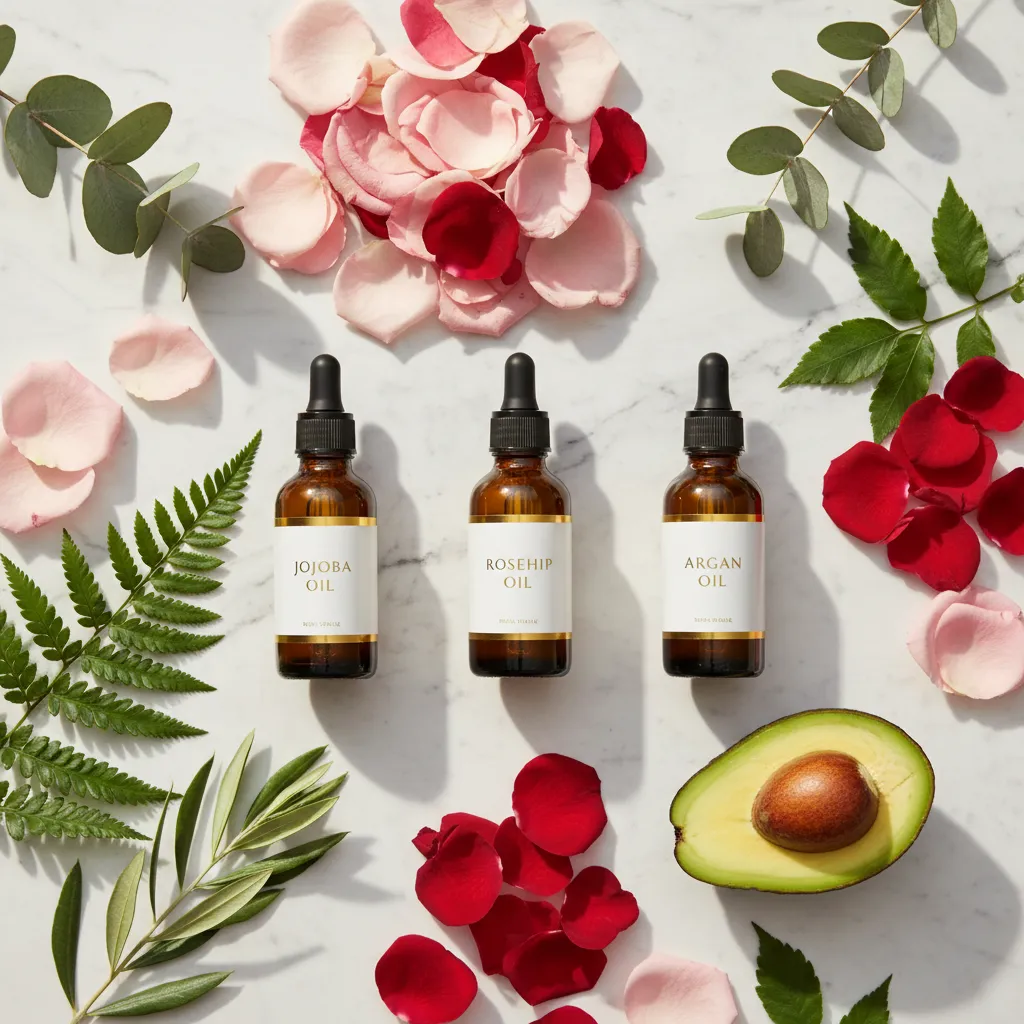
skincare
Which face oils genuinely help mature skin — and which are just expensive bottles of empty hype. An honest, clear breakdown.
Read more →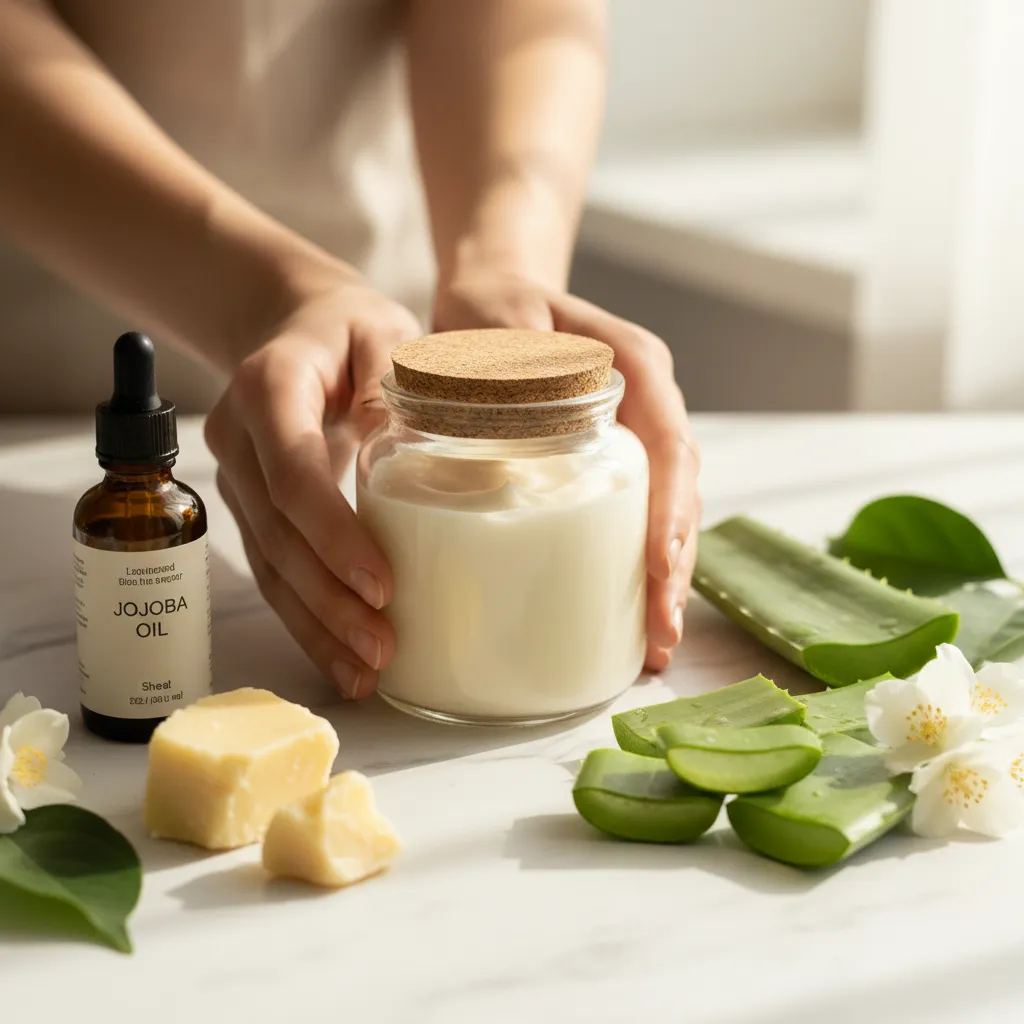
skincare
Best natural moisturizers for dry skin — from shea butter to squalane. Evidence-based ingredients, a DIY recipe, and what dermatologists recommend.
Read more →
Get access to my VIP newsletter with health tips, special deals, my free ebook on Seven Small Easy Habits and so much more!