skincare
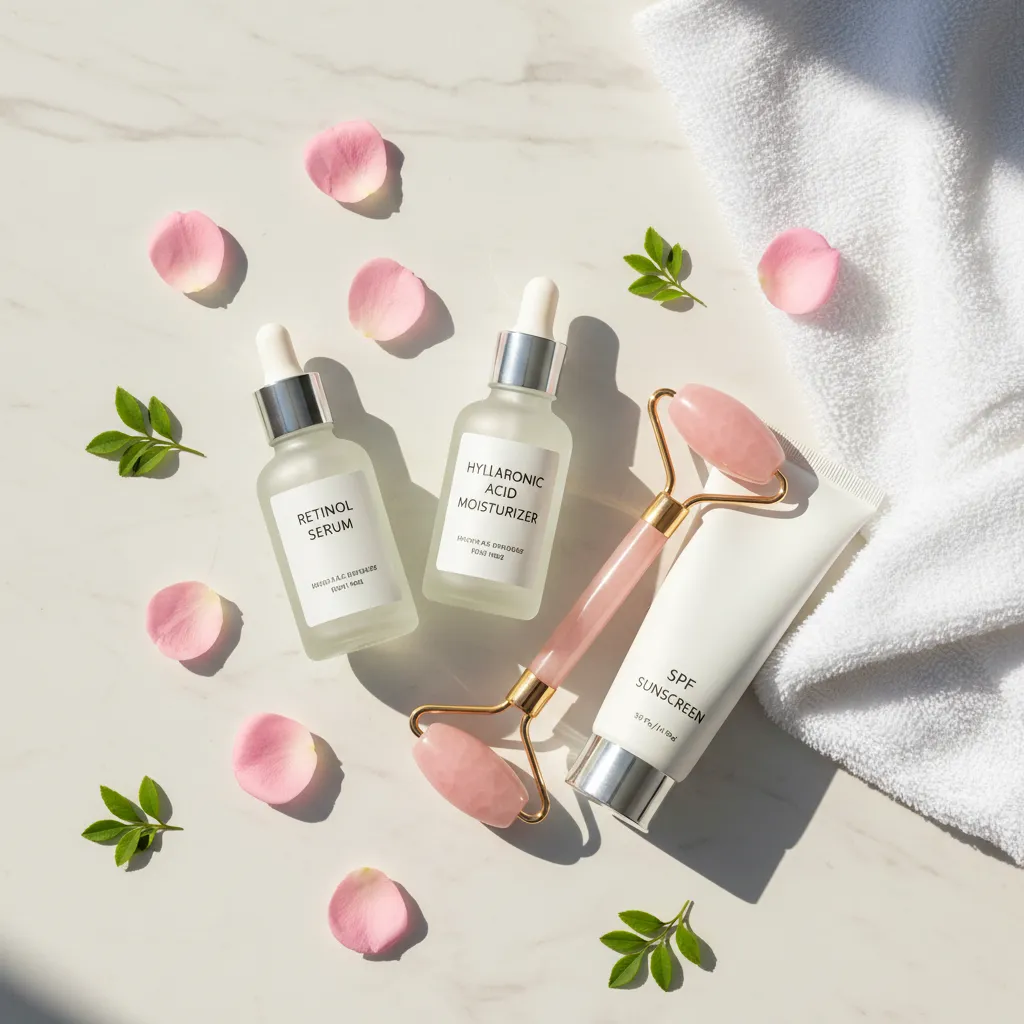
Anti-Aging Skincare Tips for Women Over 40
Five ingredients that move the needle on skin aging after 40 — retinol, hyaluronic acid, daily SPF, eye area care, and why sleep beats any serum.
Read more →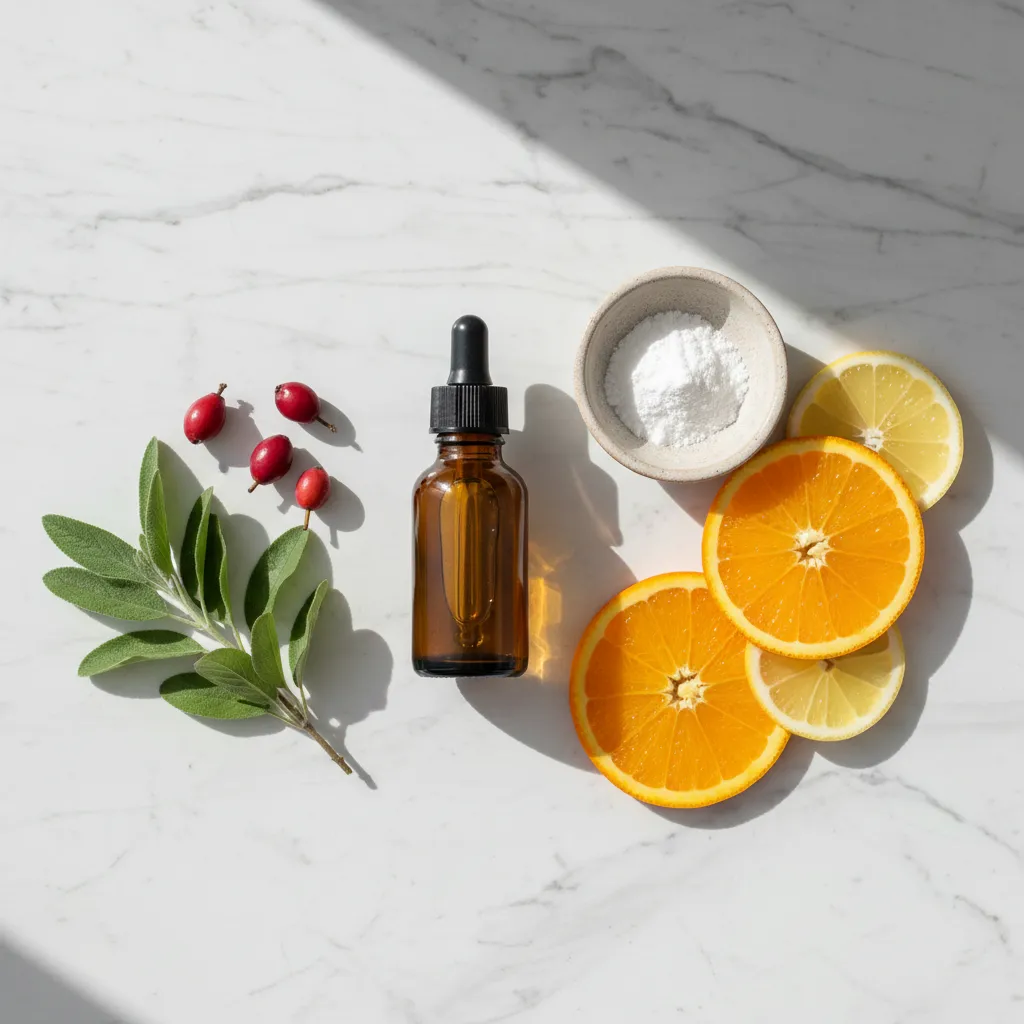
📋 Quick Summary
Vitamin C serums are among the most evidence-backed skincare products available. They brighten skin tone, support collagen synthesis, and provide antioxidant protection against UV and pollution damage. The problem is that good commercial vitamin C serums are expensive, and many cheaper options are poorly formulated and degrade quickly on the shelf.
So the DIY option sounds appealing. Make it at home, control the ingredients, save money. But there are real considerations before you start mixing ascorbic acid powder in your bathroom.
The most effective form of vitamin C for topical use is L-ascorbic acid (LAA). It’s well-studied, works at concentrations between 10–20%, and is the form used in most research. It’s also the most unstable — it oxidizes quickly when exposed to air, light, or water, turning your serum yellow, then orange, then brown, at which point it’s degraded and no longer effective.
This instability is why commercial serums cost what they do: a lot of the price goes toward packaging (opaque, airless dispensers) and formulation chemistry to keep the vitamin C stable and effective until it reaches your skin.
A basic DIY vitamin C serum uses:
This yields roughly a 15–20% concentration, depending on exact measurements. The pH of this solution will be around 2–3, which is within the effective range for vitamin C absorption.
Mix in a small, clean glass container — never plastic, as ascorbic acid can leach compounds from plastic. Use immediately or store in a dark glass dropper bottle in the refrigerator.
The honest answer: yes, when freshly made and correctly formulated. A fresh solution of L-ascorbic acid in water at the right concentration will deliver the same active ingredient as a high-end commercial product. Your skin doesn’t know the difference between a $5 DIY serum and a $100 branded one if the chemistry is identical.
The significant caveat is stability. A DIY serum made in water oxidizes within days, even when refrigerated. You’ll notice the solution turning yellow — that’s oxidation beginning. By the time it’s orange, effectiveness has dropped substantially. This means you either make very small batches and use them within 3–5 days, or accept that you’re sometimes applying a degraded product.
Making your own vitamin C serum is practical if you:
It’s less practical if you want something you can keep for months or travel with easily.
If the stability issue bothers you, consider vitamin C derivatives rather than pure L-ascorbic acid. Sodium ascorbyl phosphate (SAP) and ascorbyl glucoside are significantly more stable and less irritating, though the research on their efficacy is less extensive than for L-ascorbic acid. For sensitive skin types, however, SAP at 10% is often better tolerated and more practical for daily use.
Some DIY formulators add vitamin E (tocopherol) and ferulic acid to their ascorbic acid base — this combination is well-documented to enhance vitamin C’s stability and effectiveness. This makes the formula more complex but meaningfully better.
Keep your L-ascorbic acid powder in an airtight container away from heat and humidity. Even dry powder can degrade if stored improperly. Buy in small quantities from reputable cosmetic ingredient suppliers rather than large bulk purchases that will sit for months.
If you see your DIY serum turn orange, discard it and make a fresh batch. Using oxidized vitamin C isn’t just ineffective — some evidence suggests oxidized ascorbic acid can generate free radicals in skin rather than neutralize them.
The bottom line: DIY vitamin C serums work, but they require commitment to making fresh batches frequently. If that fits your routine, the savings are real and the results comparable to commercial products. FAQ: What Vitamins Are Good for Skin?
FAQ: What Does Vitamin C Serum Do for Skin?
→ Explore more in our Skincare Hub.
skincare
Five ingredients that move the needle on skin aging after 40 — retinol, hyaluronic acid, daily SPF, eye area care, and why sleep beats any serum.
Read more →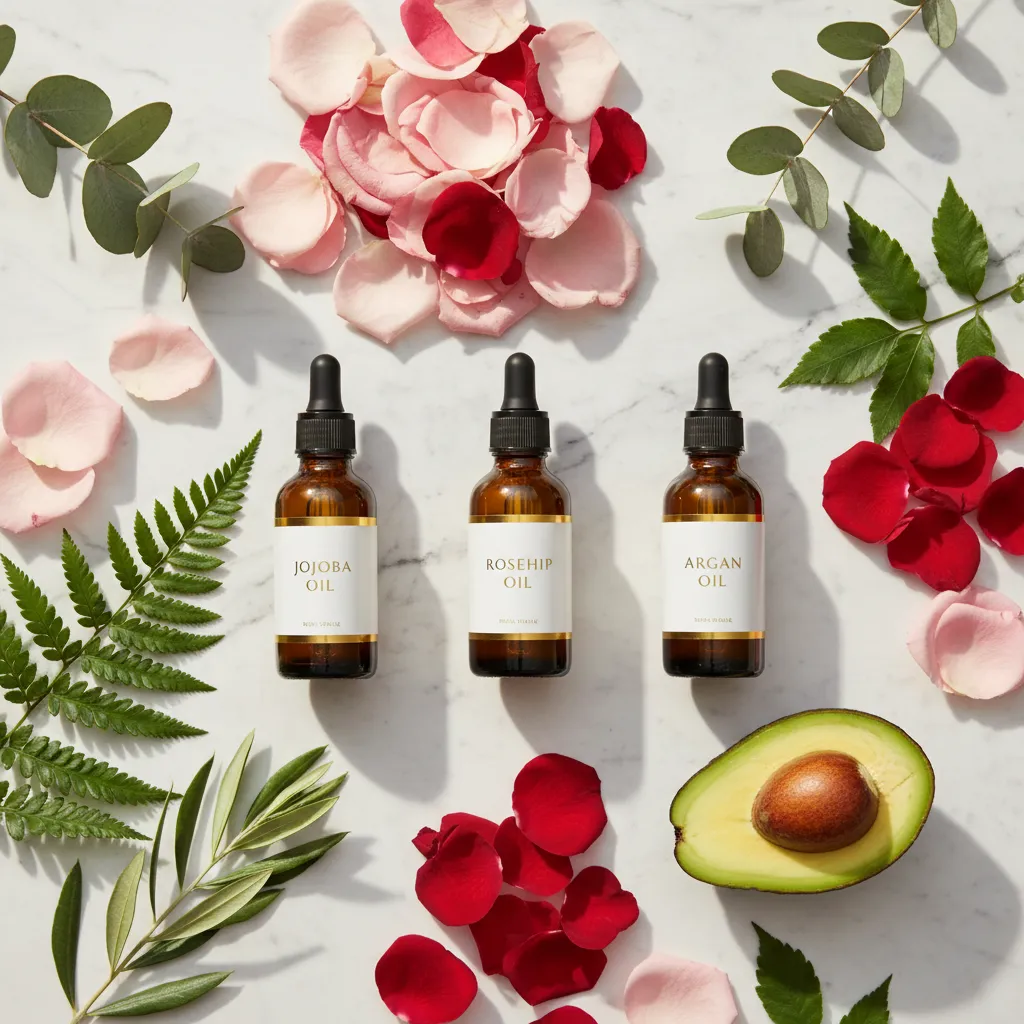
skincare
Which face oils genuinely help mature skin — and which are just expensive bottles of empty hype. An honest, clear breakdown.
Read more →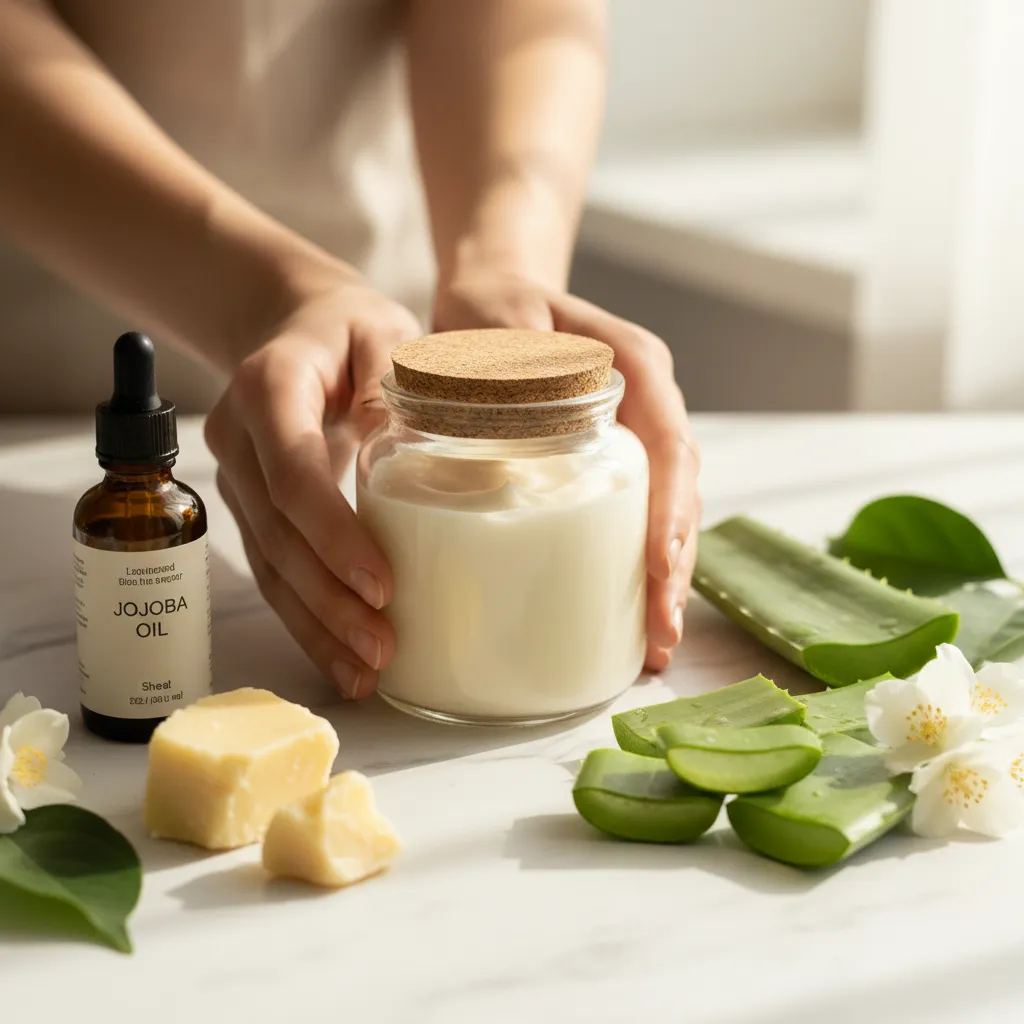
skincare
Best natural moisturizers for dry skin — from shea butter to squalane. Evidence-based ingredients, a DIY recipe, and what dermatologists recommend.
Read more →
Get access to my VIP newsletter with health tips, special deals, my free ebook on Seven Small Easy Habits and so much more!