
remedies
15 Apple Cider Vinegar Uses for Health and Home
15 practical uses for apple cider vinegar — digestive support, natural cleaning, hair care, and skincare. What actually works and what doesn't.
Read more →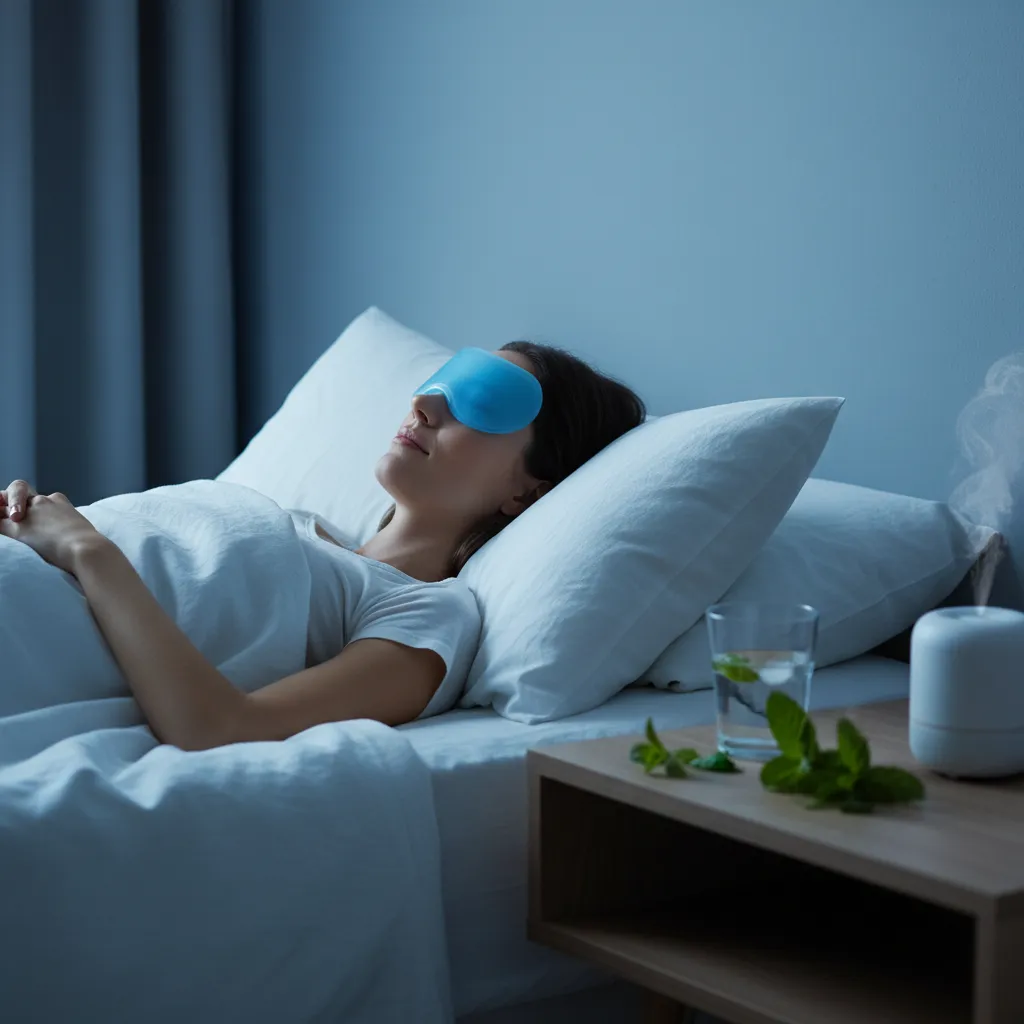
📋 Quick Summary
Headaches affect roughly half of the adult population on a regular basis, and they’re disproportionately common in women — particularly in the 35–50 age range, when hormonal fluctuations during perimenopause can trigger more frequent headaches than before. While over-the-counter pain relievers are often the fastest route to relief, there are natural approaches with genuine evidence behind them that work well — either alone for milder headaches or alongside medication for more severe ones.
These five approaches address the most common types of headaches: tension-type (the “tight band” feeling around the head), dehydration headaches, and some migraine patterns.
Dehydration is one of the most common and most overlooked triggers for headaches. Even mild dehydration — a 1–2% reduction in body water — is enough to cause headache in many people, and it’s a trigger that’s entirely preventable.
The connection is physiological: the brain is surrounded by fluid (cerebrospinal fluid) that acts as a cushion. When you’re dehydrated, this fluid decreases in volume, which causes the brain to press more closely against the skull. This pressure is experienced as a dull, throbbing headache, usually felt across the forehead or in the back of the head.
How to address it:
When a headache comes on, drink 2–3 glasses of water immediately and then reassess in 30 minutes. A 2012 study published in Headache found that increased daily water intake significantly reduced headache frequency, duration, and intensity in participants with frequent headaches.
For prevention, the common “8 glasses a day” guideline is a rough average — individual needs vary significantly based on activity, climate, and body size. A more useful indicator: urine should be pale yellow most of the time. Consistently dark urine is a sign of chronic mild dehydration.
Electrolytes matter too. If you’ve been exercising, have been unwell, or are drinking only plain water in large amounts, adding electrolytes (sodium, potassium, magnesium) helps the body retain and use the water. A simple option: add a pinch of sea salt and a squeeze of citrus to water, or use a low-sugar electrolyte drink.
Topical peppermint oil applied to the forehead and temples is one of the few natural headache remedies with genuine clinical trial support. A 1996 double-blind randomized controlled trial published in Cephalalgia (the journal of the International Headache Society) found that 10% peppermint oil in ethanol solution applied to the forehead was as effective as 1000mg of acetaminophen (Tylenol) for tension headache relief.
The mechanism: menthol, the primary active compound in peppermint oil, stimulates cold-sensitive receptors in the skin without actual temperature change — producing a cooling sensation that activates the same pain-modulation pathways as cold therapy. It also has muscle-relaxing effects and increases skin blood flow.
How to use it correctly:
Do not apply undiluted peppermint oil directly to the skin — it can cause burning and irritation at full strength. This is a common mistake.
Magnesium deficiency is significantly associated with both tension headaches and migraines. Several mechanisms explain this: magnesium plays a role in regulating neurotransmitter release, maintaining normal nerve function, and reducing the cortical spreading depression (a wave of electrical activity) that’s central to migraine pathophysiology.
Clinically, magnesium supplementation is used as a preventive treatment for migraines — several randomized controlled trials have found that 400–600mg of magnesium daily reduces migraine frequency by 30–41% over two to three months of consistent use.
For acute relief during a headache, high-dose intravenous magnesium is used in emergency headache treatment. While oral magnesium doesn’t replicate this rapid effect, some people find that taking a magnesium glycinate supplement at the onset of a headache (200–400mg) provides relief within an hour, likely by addressing an underlying deficiency.
Practical approach:
This seems too simple to include, but it addresses a fundamental aspect of headache physiology that many people fight against rather than work with.
During a tension headache or migraine, the brain’s pain-processing centers become hypersensitized — a state where normal sensory input (light, sound, movement) is amplified and experienced as painful. This is why bright lights and loud sounds feel unbearable during a bad headache.
Reducing sensory input during a headache attack directly reduces this amplification. Studies have consistently found that resting in a dark, quiet room significantly reduces headache duration and severity compared to trying to continue normal activities.
Practical setup:
This isn’t about waiting it out passively — it’s an active intervention that directly reduces sensory input during a period of neural hypersensitivity.
Temperature therapy for headaches works, and the right choice depends on the type of headache:
Cold compress for migraines and throbbing headaches: Cold applied to the back of the neck or forehead constricts blood vessels, which reduces the pulsing sensation characteristic of vascular headaches (migraines and some tension headaches). A 2013 study found that a frozen neck wrap applied to the carotid arteries at the onset of a migraine significantly reduced headache intensity.
Use: a gel ice pack wrapped in a cloth (never apply ice directly to skin), a bag of frozen peas, or a damp cloth stored in the freezer for a few minutes. Apply to the back of the neck for 15–20 minutes. Repeat as needed.
Warm compress for tension headaches: Tension-type headaches often involve muscle tightness in the neck and shoulders. Heat relaxes muscle tension, improves blood flow, and directly addresses this component. Apply a warm (not hot) compress to the neck and shoulders, or take a warm shower letting the water run over the neck and upper back.
Use: a heat pack, a microwaveable grain bag, or a warm towel. Apply for 15–20 minutes.
Combined approach: Some people find alternating cold (on the forehead or back of neck) and warm (on the neck/shoulders) every 10–15 minutes to be more effective than either alone. The temperature change appears to interrupt the pain signaling cycle.
Natural remedies work well for common tension headaches, dehydration headaches, and many migraines. However, seek medical attention promptly for: a headache described as the “worst of your life” (sudden onset), headache accompanied by fever, stiff neck, confusion, or vision changes, headaches that wake you from sleep, headaches with neurological symptoms (weakness, numbness, slurred speech), or a headache that is dramatically worse than your usual pattern. → Explore more in our Home Remedies Hub.
remedies
15 practical uses for apple cider vinegar — digestive support, natural cleaning, hair care, and skincare. What actually works and what doesn't.
Read more →
remedies
A simple, highly effective cleaner you can make at home with ingredients that cost almost nothing — and absolutely no harsh chemicals.
Read more →
remedies
Four essential oils for better sleep — lavender, cedarwood, bergamot, vetiver — with the science behind each and usage via diffuser, roll-on, or bath.
Read more →
Get access to my VIP newsletter with health tips, special deals, my free ebook on Seven Small Easy Habits and so much more!