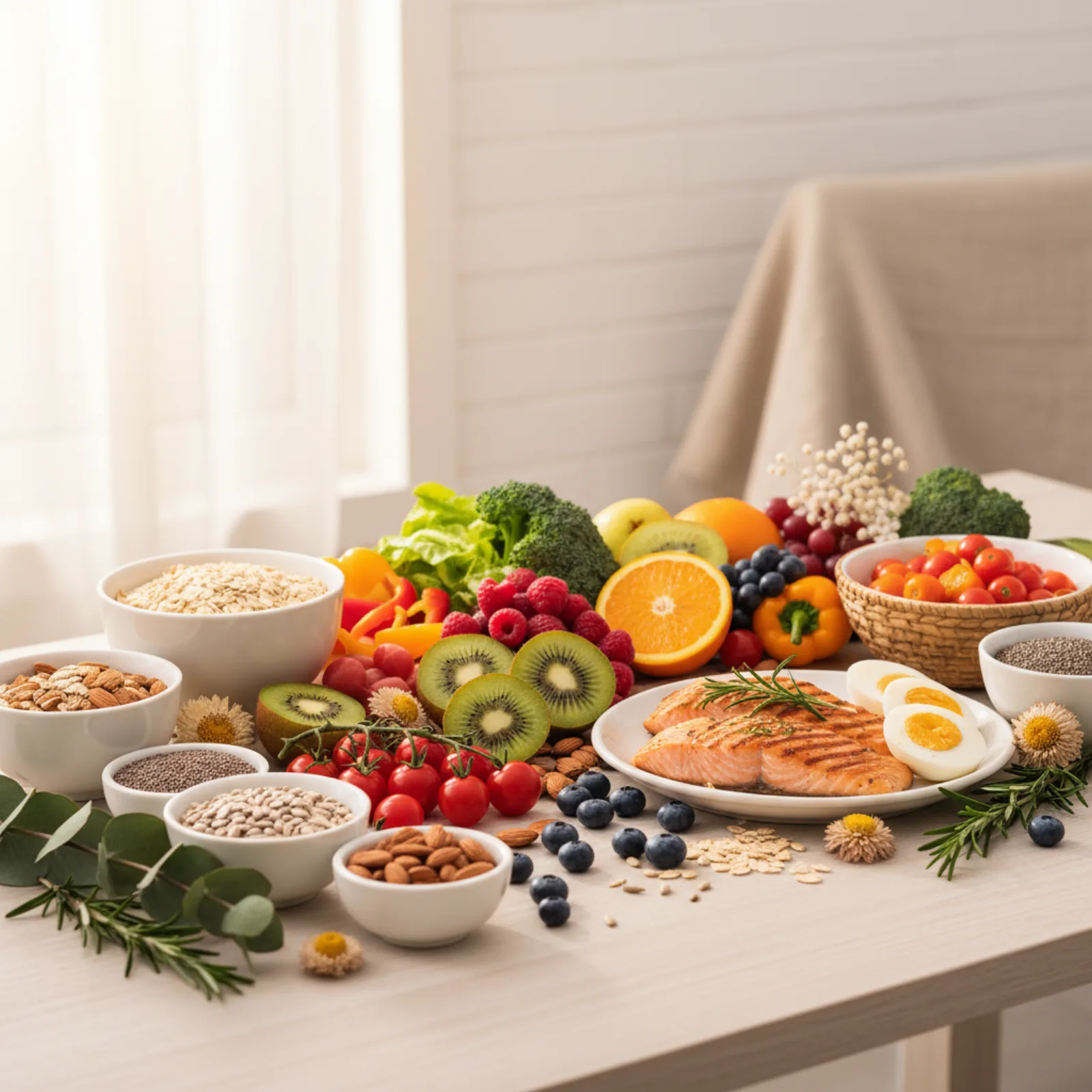
TL;DR – Quick Summary
- Women eating the most varied diets had up to 59% lower breast cancer odds.
- A dose-dependent effect means more variety equals more protection.
- Small swaps — one new veggie, a different grain weekly — add up fast.
New research shows women with the most diverse diets had up to 59% lower odds of breast cancer. No single superfood required — variety is the key.
Source: MindBodyGreen →
Eating well for cancer prevention doesn’t mean obsessing over superfoods or cutting entire food groups. A new study suggests something simpler works better: variety.
Research published recently and reported by Molly Knudsen, M.S., RDN at MindBodyGreen analyzed data from 600 women with newly diagnosed breast cancer and 600 without. Using a dietary diversity score (DDS) ranging from 0 to 10, researchers compared eating patterns across five major food groups — fruits, vegetables, proteins, grains, and dairy — over the prior year.
What Did the Research Find?
Women with the most varied diets had up to 59% lower odds of developing breast cancer compared to those with the least dietary variety. Women with moderate dietary diversity showed approximately 42% lower odds compared to the lowest-diversity group. Critically, the relationship was dose-dependent: the more food groups a woman regularly rotated through, the greater her protection. Researchers controlled for age at first menstruation, menopause status, education level, multivitamin use, and prior benign breast conditions.
Why Variety Works Better Than Single Foods
The key insight from this research is that “what matters most is dietary patterns over time” rather than the presence or absence of any particular food. Greater variety across food groups delivers a broader spectrum of nutrients and protective compounds — phytoestrogens, antioxidants, fiber, and minerals — that work together in ways no single food can replicate.
This shifts the conversation away from “eat more blueberries” and toward a more achievable, sustainable approach: make your weekly grocery cart a little more colorful and diverse than the week before.
Practical Steps to Increase Your Dietary Diversity
The researchers and Knudsen suggest low-friction strategies that compound over time:
- Introduce one new produce item each week (a vegetable or fruit you haven’t tried recently)
- Rotate your protein sources — fish, poultry, legumes, eggs, and plant-based options throughout the week
- Experiment with different grains: farro, quinoa, barley, and millet each bring distinct nutrient profiles
- Try one new recipe per week to naturally pull in unfamiliar ingredients
- Shop seasonally, which automatically shifts what lands on your plate
None of these require a diet overhaul. They’re small decisions that, repeated weekly, meaningfully expand your nutritional range.
What This Means for Glowing Mamas Readers
For women juggling busy lives, the message here is genuinely encouraging. You don’t need a rigid meal plan or expensive supplements to support your long-term health. The research points to something you can start this week at the farmers market or grocery store: just pick something you haven’t eaten in a while. Over months and years, that habit of variety appears to build real, measurable protection. Pair this with the anti-inflammatory foods and hormone-balancing meals already in your routine, and you’re building a strong foundation from the inside out.
Source: MindBodyGreen