TL;DR – Quick Summary
- 21 out of 24 key nutrients are underconsumed by at least one demographic group.
- Vitamin D, magnesium, and calcium top the list — over 90% lack sufficient vitamin D.
- Choline and omega-3s are especially critical for women of childbearing age.
A large-scale analysis found 21 of 24 key nutrients are underconsumed by at least one group. These 10 matter most for women who want to age well.
Source: MindBodyGreen →
Most of us assume a reasonably healthy diet covers the nutritional basics. A large-scale analysis examining nutrient intake across eight age and sex groups suggests otherwise. Of 24 nutrients studied, 21 were underconsumed by at least one group. The research identified 10 nutrients as especially urgent — not because they’re exotic, but because the gap between getting enough and not enough has serious long-term consequences.
The 5 Nutrients Almost Everyone Is Missing
These five showed deficiencies across all demographics — meaning the majority of Americans, regardless of age or sex, aren’t getting enough:
Vitamin D tops the list. More than 90% of the population falls short. It regulates inflammation, supports muscle function, and plays a role in mood. Best food sources: fatty fish, eggs, mushrooms (and some sun exposure). If you’re supplementing, look for D3 combined with K2 for better absorption.
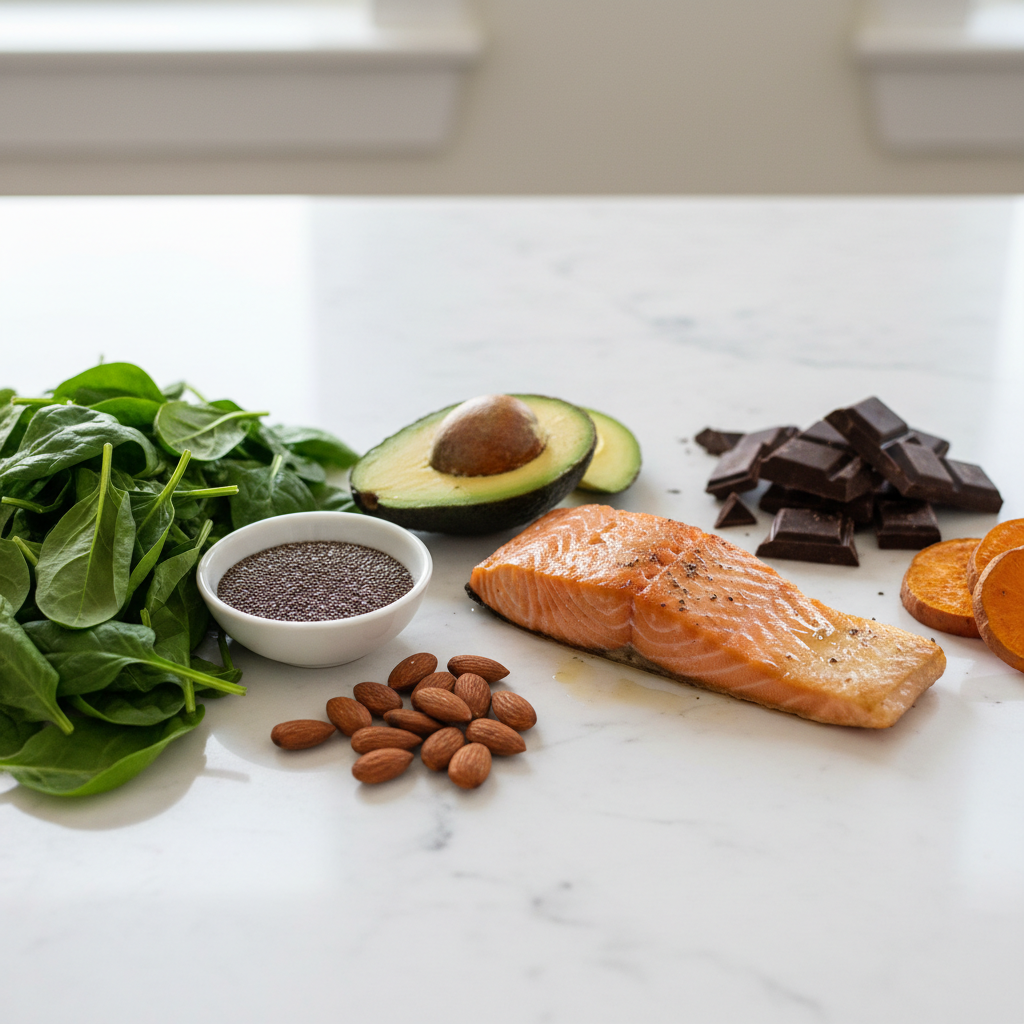
Vitamin E is a potent antioxidant that protects cells from oxidative damage — research links adequate intake to reduced cognitive decline and lower chronic disease risk. Sources include almonds, sunflower seeds, avocados, and spinach.
Calcium isn’t just about bones. It supports nerve signaling and heart function too. It works best in the presence of vitamin D and magnesium. Leafy greens, sardines (with bones), tofu, and dairy all provide it.
Magnesium supports over 300 enzymatic reactions in the body, from blood pressure regulation to sleep quality. Pumpkin seeds, black beans, dark chocolate, and spinach are reliable sources. Many women notice improved sleep and reduced anxiety when they address a magnesium gap.
Dietary fiber feeds the gut microbiome, balances blood sugar, and reduces LDL cholesterol. Most Americans consume less than half the recommended daily amount. Chia seeds, lentils, oats, and raspberries are easy additions.
5 Nutrients With High Priority for Women Specifically
Choline is underconsumed especially by women of childbearing age. It’s critical for brain health, liver function, and — if you’re pregnant or planning to be — fetal development. Egg yolks are the most concentrated source.
Omega-3 fatty acids are anti-inflammatory and essential — meaning your body cannot produce them on its own. They support brain health, hormone function, and cardiovascular health. Fatty fish, walnuts, flaxseeds, and chia seeds all contribute.
Folate (B9) is essential for DNA synthesis and cell growth, and most women know it matters during pregnancy — but it also supports mood and heart health year-round. Dark leafy greens, lentils, asparagus, and avocado are excellent sources.
Zinc supports immune defense, wound healing, and hormone production. It’s especially relevant for skin health too. Pumpkin seeds, chickpeas, and cashews are plant-forward options.
Potassium balances fluid levels, controls blood pressure, and supports muscle contractions including the heartbeat. Sweet potatoes, avocados, beans, and leafy greens deliver it consistently.
The Bigger Picture
This research reframes what “eating well” actually means. The gap between a reasonably healthy diet and one that actively prevents osteoporosis, cardiovascular disease, type 2 diabetes, and cognitive decline often comes down to these overlooked nutrients. None of them require expensive supplements if your food choices are varied and intentional — but knowing which gaps to fill is the first step.