TL;DR – Quick Summary
- Women following top-quality diets gained up to 2.3 additional years of life by age 45.
- Fiber showed the strongest individual link to reduced mortality across all five diets.
- The Mediterranean diet approach proved most protective specifically for women.
A 10-year study of 103,000 people found five very different diets all extend lifespan — and fiber is the single nutrient they all share.
Source: MindBodyGreen →
Which diet actually extends your life? Researchers decided to stop debating that question and put five of the most popular eating frameworks to a decade-long test. The result, reported by MindBodyGreen, is both reassuring and clarifying: all five diets added years to participants’ lives, and they all shared one critical ingredient.
What Did the Study Track?
Researchers analyzed data from over 103,000 UK Biobank participants followed for 10.6 years, comparing mortality rates against five established dietary frameworks:
- Alternative Healthy Eating Index
- Alternate Mediterranean Diet
- Healthful Plant-Based Diet Index
- DASH diet (Dietary Approaches to Stop Hypertension)
- Diabetes Risk Reduction Diet
The study accounted for genetic factors, meaning the longevity gains reflected dietary patterns rather than inherited advantage.
How Many Extra Years Can You Gain?
The differences were meaningful, especially for women. Participants following the highest-quality diets at age 45 gained:
- Women: 1.5 to 2.3 additional years of life
- Men: 1.9 to 3.0 additional years
- The maximum spread between the lowest and highest diet quality groups reached 4.3 years
For women specifically, the Alternate Mediterranean Diet showed the strongest protective effect on mortality. The Diabetes Risk Reduction Diet performed best for men.
The One Nutrient All Five Diets Share
Despite their differences in food groups and restrictions, every single one of the five diets emphasized abundant fiber — and the research confirmed it: fiber demonstrated “the strongest individual association with reduced mortality” across all frameworks.
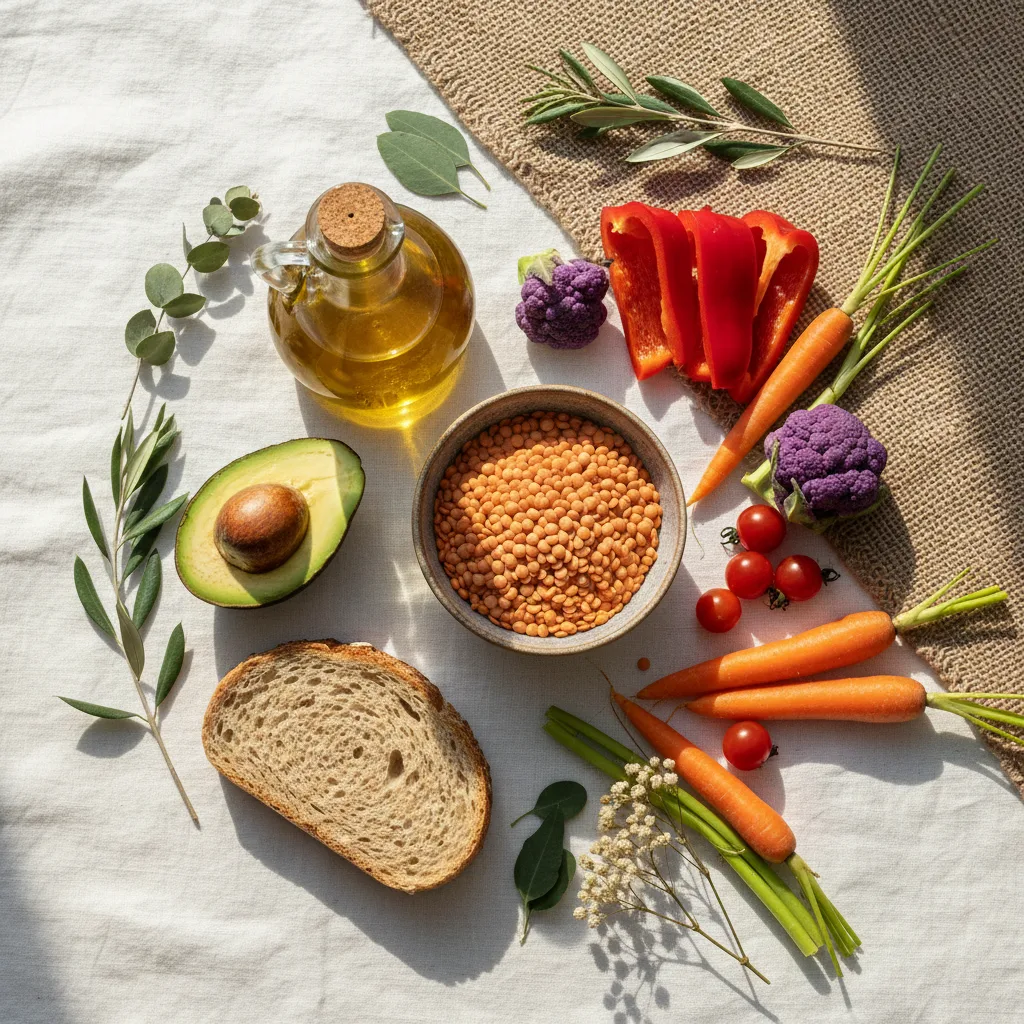
Fiber comes from whole plant foods: lentils, beans, vegetables, nuts, seeds, and whole grains. It feeds beneficial gut bacteria, regulates blood sugar, reduces LDL cholesterol, and lowers systemic inflammation — all of which connect directly to cardiovascular health and longevity.
The other shared principles across all five diets were minimal sugar-sweetened beverages, unsaturated fats (think olive oil, avocado, and fatty fish), and lower glycemic carbohydrates.
Practical Takeaway for Women Over 35
You do not have to choose a specific diet label to benefit from these findings. The research’s overarching message is that consistency over time matters far more than perfection. Small, sustained shifts toward fiber-rich foods produce measurable longevity outcomes.
Practical starting points: add a handful of lentils or beans to one meal per day, replace a sweetened drink with water or herbal tea, use olive oil as your primary cooking fat, and choose whole-grain bread or pasta over refined versions. These are not dramatic overhauls — they are the cumulative small decisions that all five longevity diets have in common.
What This Means for GlowingMamas Readers
For women in their 30s and 40s thinking about long-term health, this study removes a lot of noise. You do not need to follow one “perfect” diet. What matters is eating enough fiber-rich whole foods, cutting sugary drinks, and keeping healthy fats as a regular part of your meals. The Mediterranean approach appears particularly well-suited to women’s biology, making it a solid foundation to build from.
Source: MindBodyGreen — Scientists Tracked 100k People: These 5 Longevity Diets All Share One Key Nutrient