TL;DR – Quick Summary
- A compound in dark chocolate is linked to slower biological aging in new research
- Biological age reflects cellular health — and may be measurable through specific markers
- High-cacao dark chocolate (70%+) tends to contain the highest levels of this compound
New research connects a compound found in dark chocolate to measurable differences in biological aging markers.
Source: MindBodyGreen →
Researchers have found a compelling link between a compound in dark chocolate and slower biological aging — and the findings are turning heads in the natural wellness world.
What the Research Found
A study highlighted by MindBodyGreen explores how a specific compound in dark chocolate may influence the rate at which the body biologically ages. Biological age is distinct from chronological age: it reflects how quickly or slowly cells and tissues are actually deteriorating, and it can be measured through specific biological markers.
What makes this research stand out is that it connects regular intake of a dark chocolate compound to measurable differences in those aging markers. This suggests that dietary choices can genuinely influence the body’s internal clock — not just superficially, but at a cellular level.
Why This Matters for Women Over 35
For women in their 30s and 40s, biological aging is increasingly on the radar. Skin elasticity, energy levels, hormonal shifts, and recovery time all reflect how the body is aging beneath the surface. Natural wellness strategies that support healthy aging from the inside out — including food-based approaches — are gaining serious scientific attention.
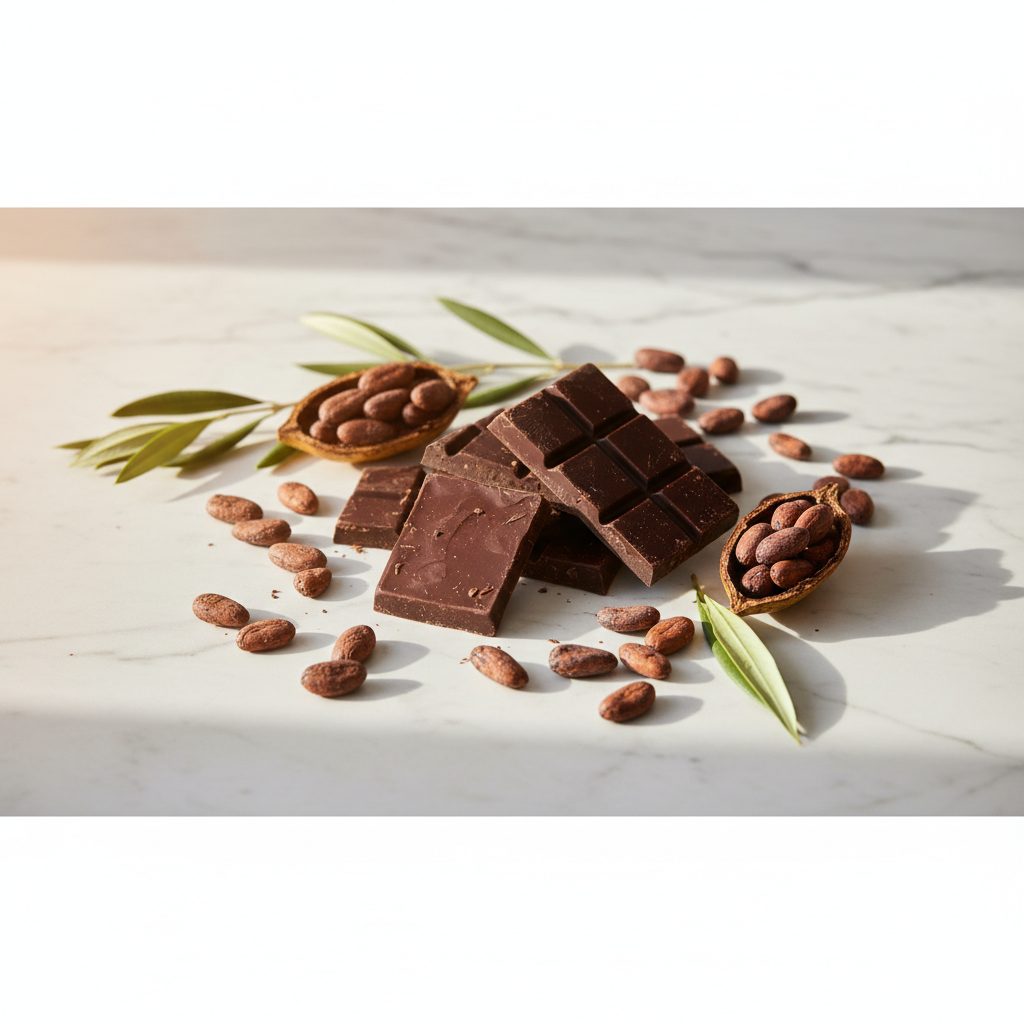
The compound in question is found in higher concentrations in minimally processed, high-cacao dark chocolate (generally 70% cacao content or above). Heavily sweetened milk chocolate varieties contain far less. So quality matters more than quantity when it comes to reaping any potential benefit.
What Researchers Still Don’t Know
Scientists are clear that the current evidence points to an association, not a proven cause-and-effect relationship. More research is needed to understand exactly how the compound interacts with aging pathways, and whether supplementation would produce the same results as whole food intake. As always with emerging nutrition research, context matters: dark chocolate works best as part of a varied, whole-food diet — not as a standalone solution.
What This Means for Your Wellness Routine
A small daily square of quality dark chocolate is already a favorite treat in many natural wellness circles — and this research adds another reason to enjoy it without guilt. The key is choosing chocolate with a high cacao percentage and minimal added ingredients. Think of it as one enjoyable piece of a larger anti-aging puzzle that includes sleep, movement, stress reduction, and nutrient-dense eating.