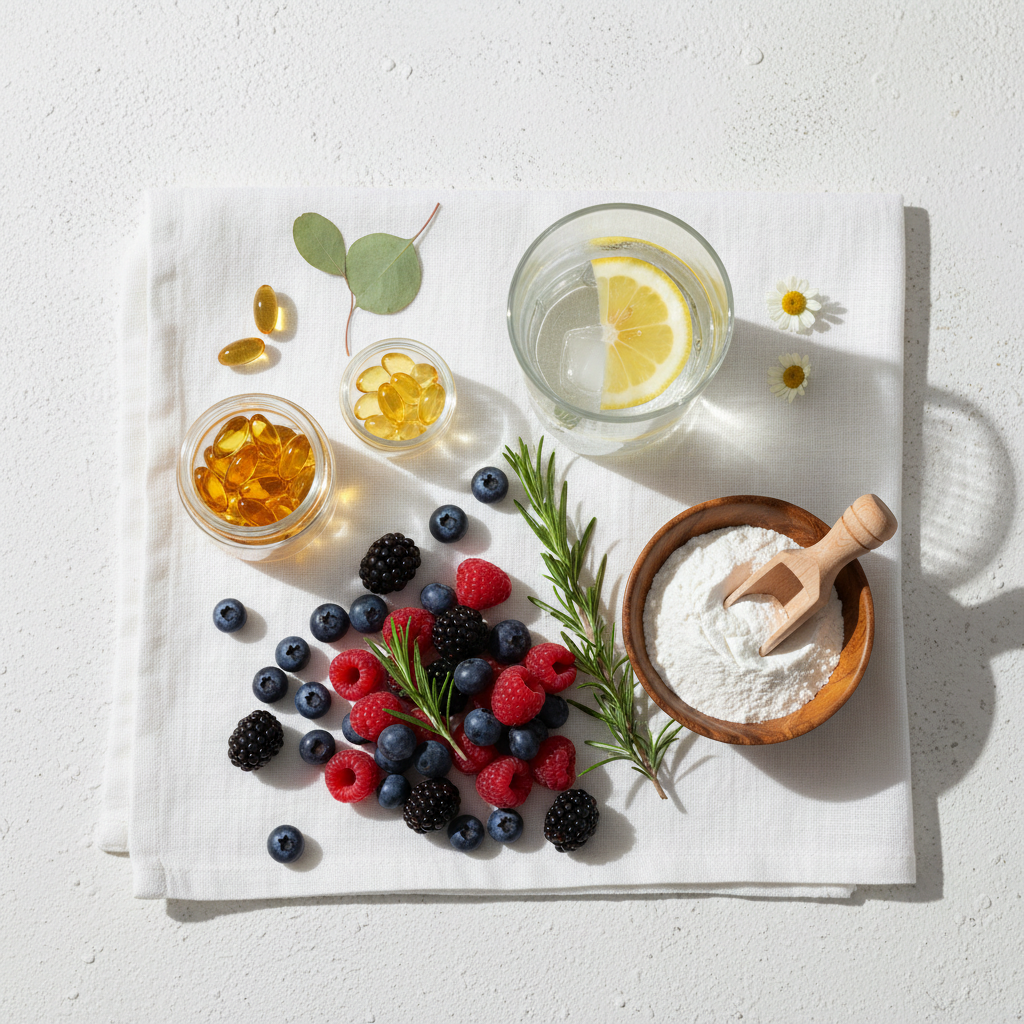
TL;DR – Quick Summary
- Caffeine, creatine, and electrolytes have the strongest evidence for cycling performance.
- Vitamin D, collagen, omega-3s, and probiotics top the recovery list—key areas for women.
- Researchers stress personalization—no single supplement stack works for every woman.
A new research review pinpoints the best supplements for cycling performance and recovery—with several findings especially relevant for women.
Source: MindBodyGreen →
Whether you’re showing up for indoor spin classes a few mornings a week or logging miles on an outdoor bike, research now offers a clearer roadmap for which supplements are actually worth taking—and which ones are most relevant for women specifically.
What the Research Says About Performance
A review published in the Journal of the International Society of Sports Nutrition examined the evidence base for supplements in cycling performance and recovery. For performance, the review identified ten substances with strong scientific backing: caffeine, beta-alanine, carbohydrates, carnitine, creatine monohydrate, dietary nitrates, electrolytes, exogenous ketones, N-acetylcysteine, and sodium bicarbonate.
According to study co-author Andrew Rowland, these supplements work by influencing “how muscles produce and use energy,” ultimately improving fuel efficiency and delaying the onset of fatigue. For women who cycle to build fitness and energy rather than compete, the most accessible of these are caffeine (a cup of coffee before a ride), electrolytes (especially important in warmer months), and creatine monohydrate, which is increasingly studied in women for its benefits beyond raw power output.
The Recovery List Is Where Women May Benefit Most
The research identified a separate set of supplements best suited for post-cycling recovery: calcium, cherry juice, collagen, curcumin, iron, multivitamins, omega-3 fatty acids, pickle juice, probiotics, protein, vitamin C, vitamin D, and zinc.
Several of these address nutritional gaps particularly common in women, especially those over 40. Vitamin D supports bone density at a stage when loss accelerates. Collagen and vitamin C together support connective tissue, relevant for joints under cycling stress. Omega-3 fatty acids help manage exercise-induced inflammation. Probiotics support gut health, which in turn affects immune function and nutrient absorption—both critical for sustaining a regular exercise habit.
Why Personalization Matters
Rowland emphasizes that supplement strategies need to be tailored to the individual: “there is a need to personalize supplement strategies based on individual factors.” Training intensity, age, existing nutritional gaps, and specific health goals all influence which supplements provide the most benefit.
For women who cycle recreationally—a growing group—the practical starting point is addressing the most common gaps first. Vitamin D and omega-3s are widely underconsumed and have broad benefits beyond cycling performance alone. From there, adding a quality magnesium supplement (for muscle recovery and sleep) and a collagen powder can form the foundation of a recovery-focused routine that serves your overall wellness as much as your rides.
Building a Simple Stack
You don’t need a shelf of supplements. Research-backed basics for women who cycle regularly: vitamin D (1,000–2,000 IU daily depending on levels), omega-3s (1–2g EPA+DHA), a quality protein source within 30–60 minutes of a ride, and electrolytes during rides longer than 45 minutes. These four cover the essentials without overcomplicating a routine.