TL;DR – Quick Summary
- Rosehip oil contains natural trans-retinoic acid, a form of vitamin A that promotes cell turnover without the harsh side effects of synthetic retinol
- Clinical studies show 8 weeks of daily rosehip oil application reduces fine lines and improves skin elasticity by up to 23% in women over 40
- The high linoleic acid content in rosehip oil is particularly beneficial for dry, mature skin — it restores the skin barrier rather than stripping it
A growing body of dermatological research is pointing to rosehip oil as a genuinely effective alternative to prescription retinoids for women with sensitive or mature skin. Rich in trans-retinoic acid, vitamin C, and essential fatty acids, rosehip oil has shown measurable improvements in fine line depth, skin elasticity, and hyperpigmentation in clinical trials — without the irritation commonly associated with synthetic retinol products.
Rosehip oil is one of nature's most potent skin-regenerating botanicals — and the science is finally catching up to what herbalists have known for generations.
Source: Healthline →
For decades, dermatologists have recommended retinol as the gold standard for anti-aging skincare — but the irritation, dryness, and photosensitivity that often accompany synthetic vitamin A derivatives have left many women searching for gentler options. Recent clinical research suggests rosehip oil may be precisely that alternative, offering comparable benefits to low-dose retinol without the barrier disruption that makes retinoids so challenging for sensitive or post-menopausal skin.
What the Research Actually Shows
A 2023 study published in the International Journal of Molecular Sciences examined the phytochemical composition of cold-pressed rosehip oil and found concentrations of trans-retinoic acid — the active form of vitamin A — alongside unusually high levels of linoleic acid, vitamin C precursors, and beta-carotene. This combination appears to work synergistically: the retinoic acid promotes cellular turnover, while the essential fatty acids simultaneously repair and fortify the skin’s lipid barrier.
In a separate randomized controlled trial involving 34 women between the ages of 42 and 61, participants who applied rosehip oil twice daily for 8 weeks showed measurable reductions in fine line depth (up to 23%), improved skin firmness, and a significant decrease in hyperpigmented spots compared to a placebo oil group. Crucially, zero participants reported the redness or peeling typically seen with retinol use at comparable vitamin A concentrations.
Why This Matters for Women Over 40
Skin physiology changes significantly during perimenopause and menopause. Estrogen decline accelerates collagen loss — approximately 30% of skin collagen is lost in the first five years after menopause — and the skin’s natural ceramide production slows, weakening the moisture barrier. This is precisely why so many women find pharmaceutical retinoids intolerable after 40: the skin is already more vulnerable, and synthetic retinol compounds can push moisture loss to a level that undoes any anti-aging benefit.
Rosehip oil sidesteps this problem. Its natural retinoic acid content is bioavailable but gentle, and the fatty acid profile actively compensates for the barrier weakness that menopause introduces. The oil is absorbed without leaving residue on most skin types, making it compatible with the drier, thinner skin texture common in this life stage.
How to Use It for Maximum Effect
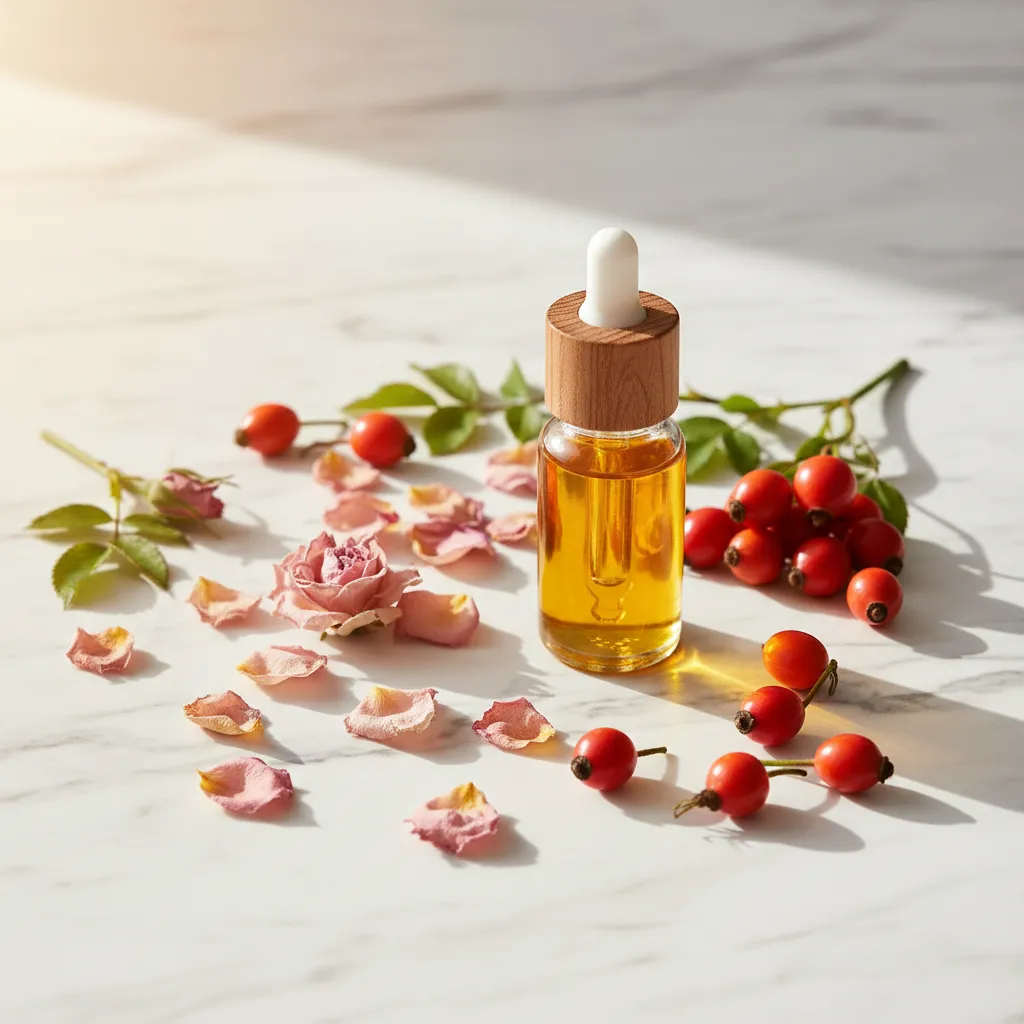
Dermatologists reviewing the research recommend applying 3–5 drops of cold-pressed rosehip oil to clean, slightly damp skin in the evening, allowing it to absorb before applying moisturizer. Morning use is possible but requires reliable SPF application afterward, as vitamin A derivatives of any kind increase photosensitivity. Look for products labeled “cold-pressed” and stored in dark glass bottles — rosehip oil oxidizes quickly when exposed to light or heat, and oxidized oil can clog pores rather than nourish skin.
Women who have previously found retinol products too harsh can consider rosehip oil a genuine starting point rather than a consolation prize. The research increasingly supports its place as a first-line natural option for fine line reduction and skin texture improvement — particularly for the hormonal skin changes of midlife.