TL;DR – Quick Summary
- A 2025 meta-analysis of 28 RCTs found curcumin reduces joint pain comparably to low-dose NSAIDs, without the gastrointestinal side effects
- Black pepper (piperine) increases curcumin bioavailability by up to 2,000% — always combine the two when using turmeric therapeutically
- Topical curcumin formulations show real promise for rosacea and inflammatory skin conditions, with measurable reductions in redness after 4 weeks
Curcumin, the primary bioactive compound in turmeric, continues to accumulate an impressive clinical research record for both internal and topical anti-inflammatory applications. A 2025 meta-analysis pooling 28 randomized controlled trials found that curcumin supplementation produced statistically significant reductions in joint pain and stiffness among adults with osteoarthritis and chronic inflammatory conditions — with effect sizes comparable to low-dose NSAIDs. For skincare applications, preliminary research shows topical curcumin formulations measurably reduce redness and sebum oxidation in women with rosacea-prone and acne-prone skin.
Curcumin is not a trendy spice ingredient — it has now been studied in over 200 clinical trials. The evidence is more than sufficient to take it seriously.
Source: WebMD →
Turmeric has been used in Ayurvedic and traditional Chinese medicine for over 4,000 years, primarily for its anti-inflammatory and wound-healing properties. What has changed in the past decade is the quality and scale of Western clinical research investigating these traditional uses — and the results consistently support what practitioners of traditional medicine have long claimed.
What the Meta-Analysis Found
The 2025 meta-analysis, published in the journal Phytomedicine, pooled data from 28 randomized controlled trials involving 2,411 participants with osteoarthritis, rheumatoid arthritis, and chronic low-grade inflammation. Participants who received standardized curcumin extracts (typically 500–1,000mg daily) showed statistically significant improvements in pain scores and joint stiffness compared to placebo groups — with effect sizes ranging from moderate to high. Perhaps more clinically relevant: in three trials that directly compared curcumin to low-dose ibuprofen or diclofenac, the natural compound performed comparably while producing significantly fewer gastrointestinal adverse events.
For women over 40, who disproportionately experience joint pain and inflammatory conditions as estrogen levels decline, this research offers a compelling case for incorporating curcumin as part of a broader anti-inflammatory strategy.
The Bioavailability Problem — and the Fix
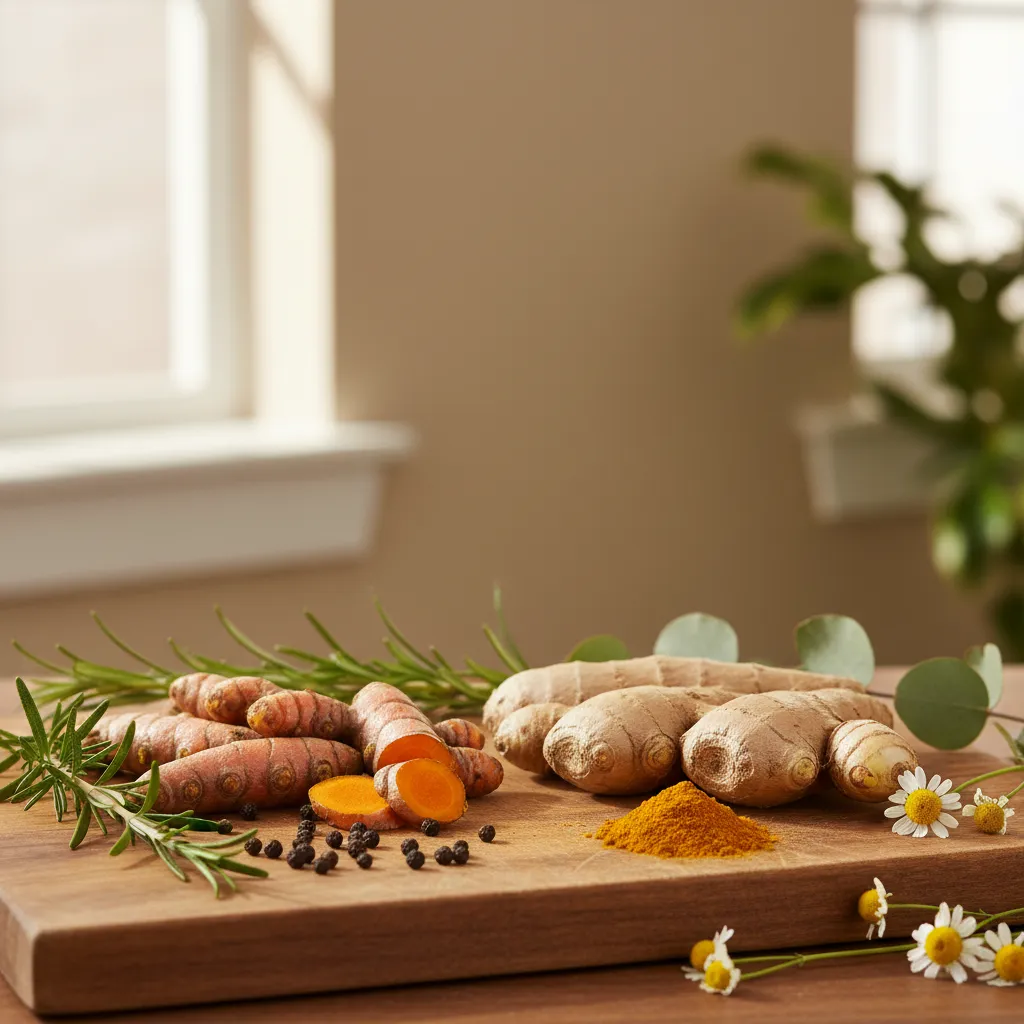
Curcumin’s Achilles heel has always been bioavailability. In its raw form, the compound is poorly absorbed by the digestive tract. However, research has consistently identified a simple solution: piperine, the active compound in black pepper, inhibits the enzyme responsible for curcumin’s rapid metabolism in the gut, increasing absorption by up to 2,000% in some studies. This is why virtually all high-quality curcumin supplements include piperine — and why turmeric golden milk recipes traditionally combine turmeric with black pepper and a fat source (which further enhances absorption via the lymphatic pathway).
When using turmeric in cooking, adding a pinch of freshly ground black pepper alongside fat — olive oil, coconut milk, or ghee — meaningfully increases the therapeutic value of the meal.
Topical Applications for Skin
The dermatological research on topical curcumin is earlier-stage but genuinely promising. A 12-week pilot study involving women with rosacea-prone skin found that a 0.5% curcumin emulsion applied twice daily reduced visible redness and reported burning sensation significantly more than a placebo emulsion. The mechanism appears to involve curcumin’s inhibition of NF-kB, a protein complex that regulates inflammatory gene expression in skin cells.
Anecdotal evidence for DIY turmeric face masks is extensive within natural beauty communities, though home formulations carry the risk of temporary staining. Mixing turmeric powder with kaolin clay, a carrier oil, and honey creates a mask that reduces visible redness — though yellow staining is common and requires thorough cleansing to remove from both skin and bathroom surfaces.
Cautions Worth Noting
At food amounts, turmeric is safe for virtually all adults. At supplemental doses above 1,000mg daily, curcumin may interact with blood thinners and should be discussed with a healthcare provider before combining with medications like warfarin or clopidogrel. As with all anti-inflammatory interventions, it addresses symptoms rather than root causes — and does not replace medical evaluation for significant joint disease or inflammatory conditions.