TL;DR – Quick Summary
- Honey and oats have solid dermatological evidence — honey's hydrogen peroxide content provides gentle antimicrobial action, while oat avenanthramides are clinically proven to reduce skin redness
- Lemon juice is the most commonly misused DIY ingredient — its pH of 2.0 can disrupt the skin barrier and cause chemical burns, especially on mature skin
- Aloe vera gel (fresh from the leaf) provides genuine hydration and anti-inflammatory benefit, with research supporting its role in wound healing and barrier repair
Natural DIY skincare has seen a surge in interest as more women seek alternatives to products with lengthy synthetic ingredient lists — but not all kitchen ingredients are created equal for skin health. Dermatologists and cosmetic chemists have now reviewed the most popular DIY face mask components, separating ingredients with genuine evidence-backed efficacy from those that are harmless but ineffective, and flagging a handful that pose real risks to skin barrier integrity.
The kitchen is genuinely full of skin-active ingredients. The key is knowing which ones work by mechanism, not just anecdote.
Source: mindbodygreen →
The appeal of DIY skincare is real and legitimate. Many women over 40 are increasingly cautious about the long-term effects of preservatives, synthetic fragrances, and stabilizers in commercial products — particularly as their skin becomes more reactive during the hormonal changes of perimenopause and menopause. The kitchen-as-apothecary approach has deep roots in traditional skincare across dozens of cultures.
The challenge is that the internet has not been a reliable filter between what works by mechanism and what circulates because it photographs well. Dermatologists who reviewed the most viral DIY ingredients identified a clear split between evidence-backed components and risky trends.
What Dermatologists Say Works
Oats emerge as the strongest-performing DIY ingredient. Colloidal oatmeal has FDA-approved status as a skin protectant, supported by extensive clinical research. The active compounds, called avenanthramides, inhibit the release of pro-inflammatory cytokines and reduce histamine-driven redness. For mature, sensitive, or rosacea-prone skin, an oat-based mask — finely ground rolled oats mixed with water or plain yogurt to a paste — provides genuine anti-inflammatory benefit with virtually no risk of irritation.
Raw honey carries real antimicrobial and wound-healing activity. Its low pH and hydrogen peroxide content inhibit bacterial growth, making it particularly relevant for acne-prone skin. Manuka honey has the most concentrated research behind it, but any raw, unfiltered honey provides some benefit. Its humectant properties — drawing moisture from the air into skin — add to its value as a mask base ingredient.
Aloe vera gel (from a fresh leaf, not commercial gel containing added thickeners and preservatives) provides genuine hydration and documented anti-inflammatory activity. Multiple studies have found aloe’s polysaccharides support barrier repair and reduce transepidermal water loss — the mechanism underlying persistent dryness in mature skin.
Plain yogurt contains lactic acid, a gentle alpha-hydroxy acid that provides mild exfoliation by dissolving the bonds between dead skin cells. The concentration is lower than clinical AHA formulations, making it safer for home use while still providing a measurable brightening effect with consistent use.
What Poses Real Risks
Lemon juice is the most problematic common recommendation. With a pH around 2.0 — the same acidity range as vinegar — it sits far outside the skin’s natural pH of 4.5 to 5.5. Applied directly, it disrupts the acid mantle, strips lipids from the stratum corneum, and leaves skin highly photosensitive. Cases of post-inflammatory hyperpigmentation and chemical burns following lemon juice application are well-documented in dermatology case literature, yet the “lemon juice for dark spots” advice remains pervasive online.
Baking soda faces a similar problem in reverse — its alkaline pH of around 9.0 disrupts the skin’s protective acid mantle and can compromise the moisture barrier, particularly problematic for the drier skin of women in their 40s and beyond.
Cinnamon and nutmeg, frequently recommended in spiced face scrubs, are common contact allergens. Cinnamon aldehyde causes contact dermatitis in a meaningful percentage of people, and the irritation risk is especially high on facial skin.
A Simple Evidence-Based Baseline
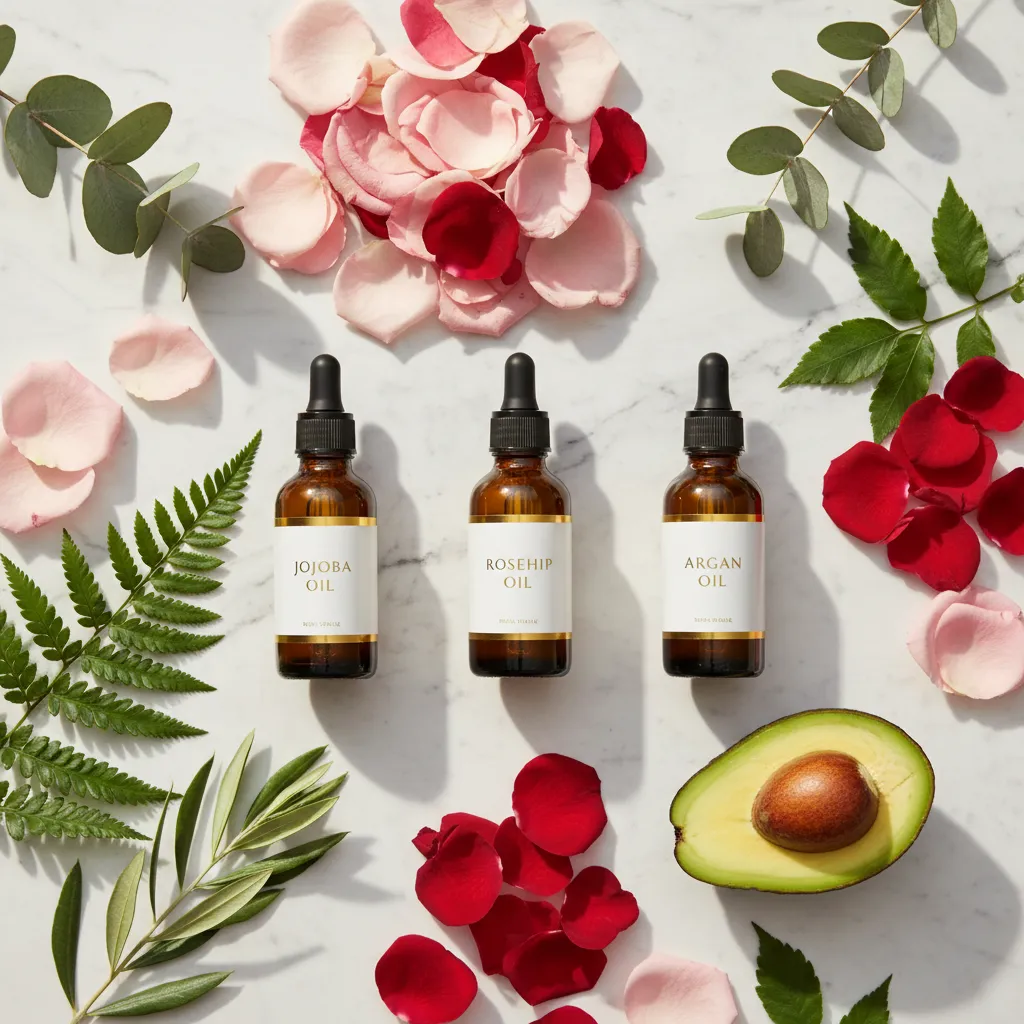
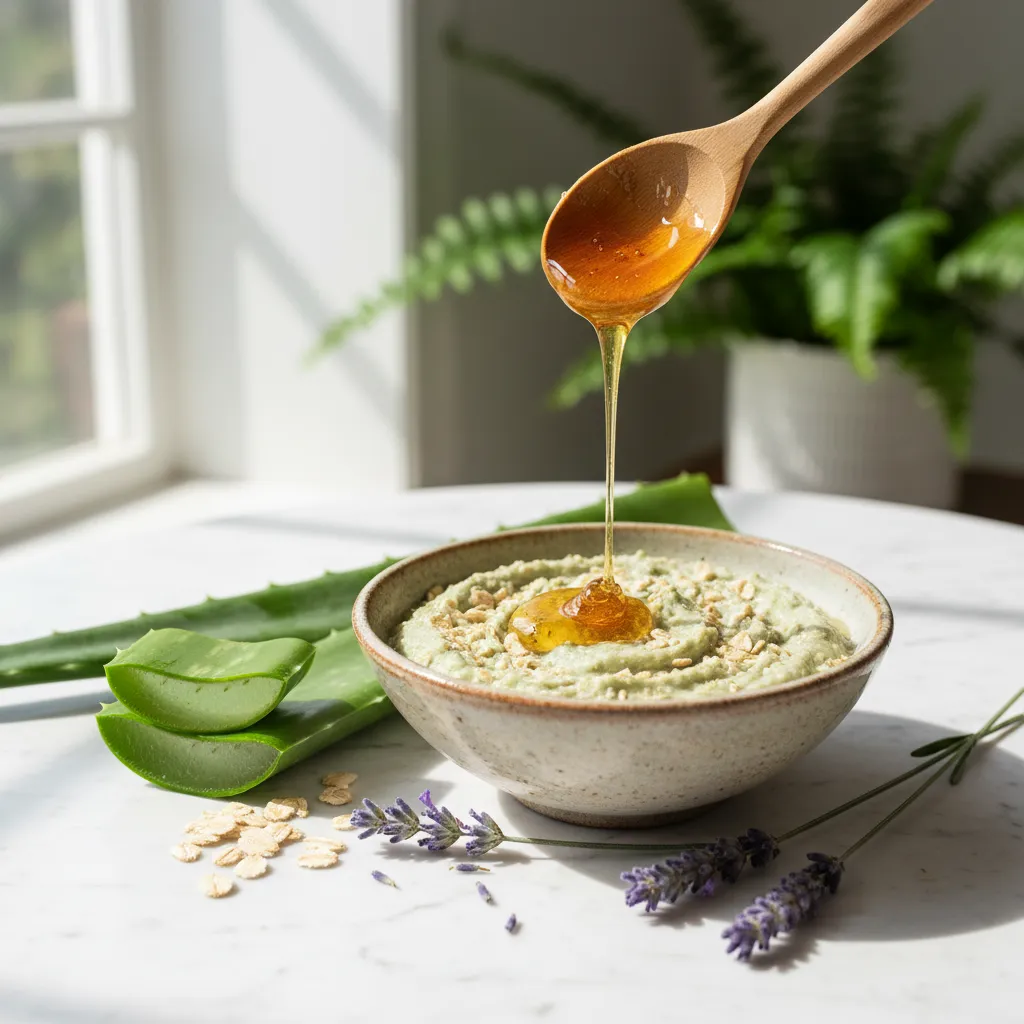
A face mask combining finely ground oats, raw honey, and plain yogurt — left on for 10–15 minutes before rinsing with lukewarm water — combines the best-evidenced natural ingredients into a formulation that genuinely supports mature skin. Adding a few drops of rosehip oil or fresh aloe vera gel increases the barrier-repair element. This is not glamorous, but it is effective, affordable, and safe — and that combination is rarer than ingredient trends suggest.