
remedies
15 Apple Cider Vinegar Uses for Health and Home
15 practical uses for apple cider vinegar — digestive support, natural cleaning, hair care, and skincare. What actually works and what doesn't.
Read more →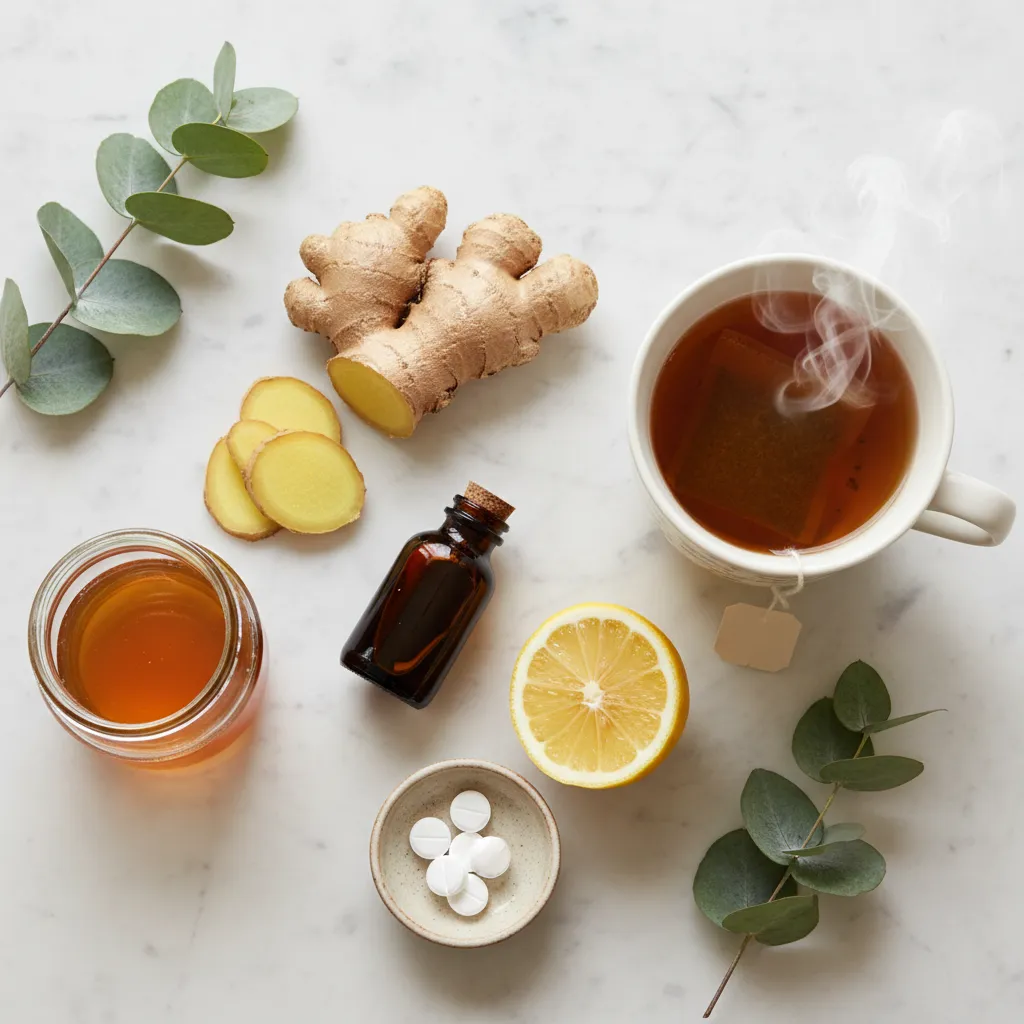
📋 Quick Summary
When you feel a cold coming on, the impulse to do something is strong. The problem is that most “cold remedies” are either completely unproven or actively oversold. The common cold is caused by any of over 200 virus strains — rhinovirus most often — and there’s no cure. What does exist is a set of evidence-backed approaches that can reduce duration and severity if used correctly and at the right time.
These five remedies have genuine research support. None of them are miracles. But used appropriately, they can take a seven-day cold down to five days, or reduce how miserable you feel during it.
Elderberry syrup and extract have been studied in multiple clinical trials for both the prevention and treatment of colds and flu. A 2016 randomized controlled trial published in Nutrients found that travelers who took elderberry experienced significantly shorter colds (on average 2 days shorter) and less severe symptoms compared to placebo. A 2020 meta-analysis of elderberry for upper respiratory infections confirmed these results.
The proposed mechanisms: elderberry flavonoids (primarily anthocyanins) appear to have antiviral properties that can inhibit virus replication, and they stimulate the immune system’s cytokine production, accelerating the immune response.
Important timing caveat: Elderberry appears to work best when taken at the very onset of symptoms — ideally within the first 24–48 hours. Taking it on day four of a cold is likely to do less.
How to use it:
Safety note: Elderberries must be cooked before use — raw elderberries contain compounds that can cause nausea. Commercial preparations are always properly processed. Don’t make homemade elderberry from raw berries unless you’re confident in the preparation.
This traditional combination has more science behind it than most people realize — not because of magic, but because each component does something real.
Ginger contains gingerols and shogaols with anti-inflammatory and antiviral properties. It reduces nausea (a common cold and flu symptom), supports circulation, and has been shown to reduce pro-inflammatory cytokines. Fresh ginger is more aromatic and contains more gingerols; dried ginger has more shogaols and is more potent for anti-inflammatory effects.
Raw honey has genuine antimicrobial properties due to its hydrogen peroxide content, low pH, and osmotic effects. It’s particularly effective against sore throats — multiple studies, including a 2020 BMJ systematic review, found honey as effective as or more effective than over-the-counter cough medicines for cough and sore throat relief. Manuka honey has additional antibacterial activity from methylglyoxal, though regular raw honey works for most purposes.
Lemon provides vitamin C and acids that help thin mucus. The citric acid also helps balance the sweetness of honey and has a mild antimicrobial effect.
How to make it:
Adding a pinch of cayenne pepper or cinnamon are traditional additions with mild vasodilatory effects that can temporarily relieve congestion.
Steam inhalation doesn’t kill cold viruses, but it’s one of the most effective symptom relief measures for nasal congestion and sinus pressure — both of which can make a cold dramatically more uncomfortable and disrupt sleep.
The mechanism: inhaling steam at 104–109°F temporarily increases nasal passage temperature, which loosens mucus, reduces swelling in the nasal lining, and helps clear congestion. Several clinical trials have confirmed significant symptom relief.
How to do it safely:
Safety notes: Keep eyes closed to avoid irritation. Don’t use with children under 12 due to burn risk. Steam inhalation doesn’t treat the underlying infection — it’s symptom management only.
Zinc is one of the most well-researched cold remedies. A 2017 Cochrane review concluded that zinc lozenges or syrup started within 24 hours of cold symptom onset significantly reduced both duration (by 1–2 days) and severity. The mechanism appears to be that zinc interferes with rhinovirus replication in the nasal passages.
The critical factors for effectiveness:
Timing: Zinc must be taken within the first 24 hours of symptoms. Studies that started zinc on day two or later showed less benefit.
Form: Zinc lozenges or syrup that maintain contact with the throat and nasal passages appear to work better than zinc supplements taken as regular capsules or tablets that are swallowed directly. Zinc acetate and zinc gluconate are the forms most studied.
Dose: Around 75–80mg daily in divided doses for the duration of the cold (typically 3–7 days) is the range used in effective clinical trials.
Side effects: Zinc lozenges frequently cause nausea and an unpleasant taste. Take after food. Do not use zinc nasal sprays — these were removed from the market after causing permanent loss of smell (anosmia) in some users.
This may sound obvious, but it’s the intervention most often skipped — particularly by busy women who push through illness to manage work, family, and obligations. Rest is not passive; it’s an active part of recovery.
During sleep, your immune system ramps up cytokine production (proteins that coordinate the immune response and fight infection). Sleep deprivation impairs both innate and adaptive immunity — people who sleep less than 6 hours per night are consistently shown in research to be more susceptible to colds and to have longer illness duration when they do get sick.
A 2009 study published in the Archives of Internal Medicine found that participants who slept 8 or more hours per night were nearly three times less likely to develop a cold when exposed to rhinovirus compared to those sleeping under 7 hours. Duration matters, but so does sleep quality.
Practical rest strategies:
A few remedies that are widely used but lack convincing evidence: megadose vitamin C (above 200mg per day shows no additional benefit in otherwise healthy people), garlic (despite compelling in vitro studies, clinical evidence is weak), and antibiotics (colds are viral; antibiotics do nothing against viruses and contribute to antibiotic resistance). → Explore more in our Home Remedies Hub.
remedies
15 practical uses for apple cider vinegar — digestive support, natural cleaning, hair care, and skincare. What actually works and what doesn't.
Read more →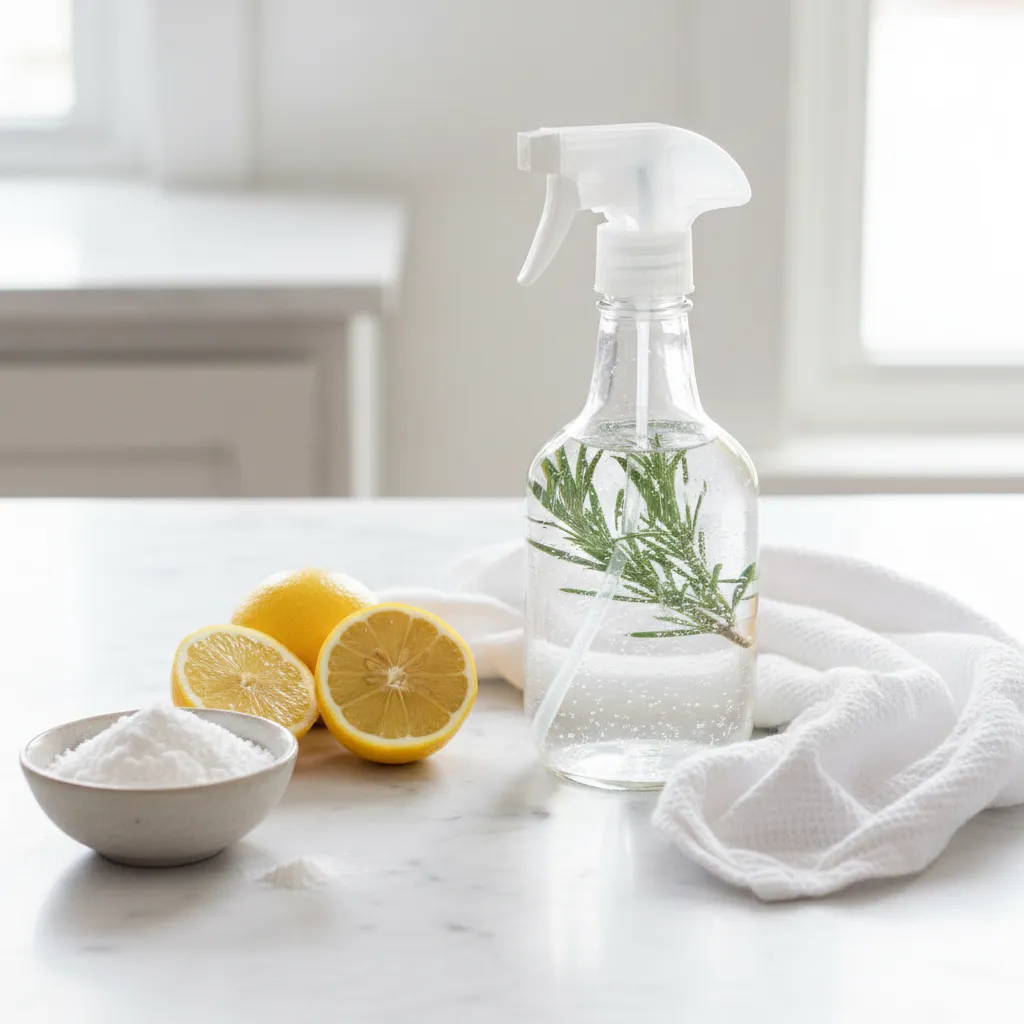
remedies
A simple, highly effective cleaner you can make at home with ingredients that cost almost nothing — and absolutely no harsh chemicals.
Read more →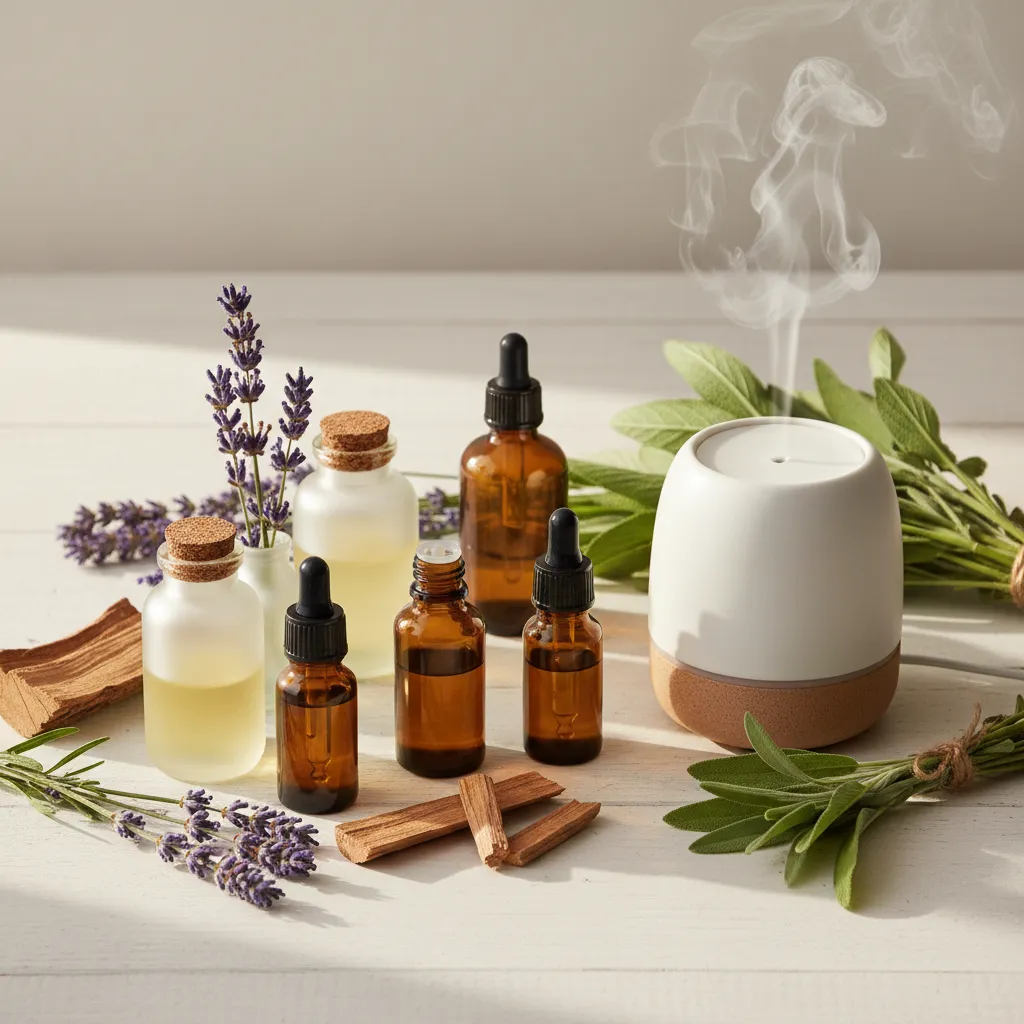
remedies
Four essential oils for better sleep — lavender, cedarwood, bergamot, vetiver — with the science behind each and usage via diffuser, roll-on, or bath.
Read more →
Get access to my VIP newsletter with health tips, special deals, my free ebook on Seven Small Easy Habits and so much more!