TL;DR – Quick Summary
- Vitamin C serum brightens uneven tone and reduces hyperpigmentation with consistent daily use
- It protects skin from UV and pollution damage when worn in the morning under SPF
- Results take 4–12 weeks — it works, but not overnight
The Question
Vitamin C serums are among the most-recommended skincare products — and also among the most misunderstood. People buy them expecting instant brightness and end up uncertain whether they’re working. Here’s what the research actually supports.
The Short Answer
A properly formulated vitamin C serum does three evidence-backed things: it acts as an antioxidant that neutralizes free radical damage from UV and pollution, it supports collagen synthesis, and it gradually reduces the appearance of hyperpigmentation and uneven skin tone. It works best applied in the morning before SPF, and results become visible over several weeks of consistent use — not days.
The Full Answer
The Antioxidant Function
This is arguably the most important thing vitamin C does for skin, and the least visible — which makes it easy to underestimate. Every day, skin is exposed to UV radiation and environmental pollutants that generate free radicals: unstable molecules that damage skin cells, break down collagen, and accelerate visible aging.
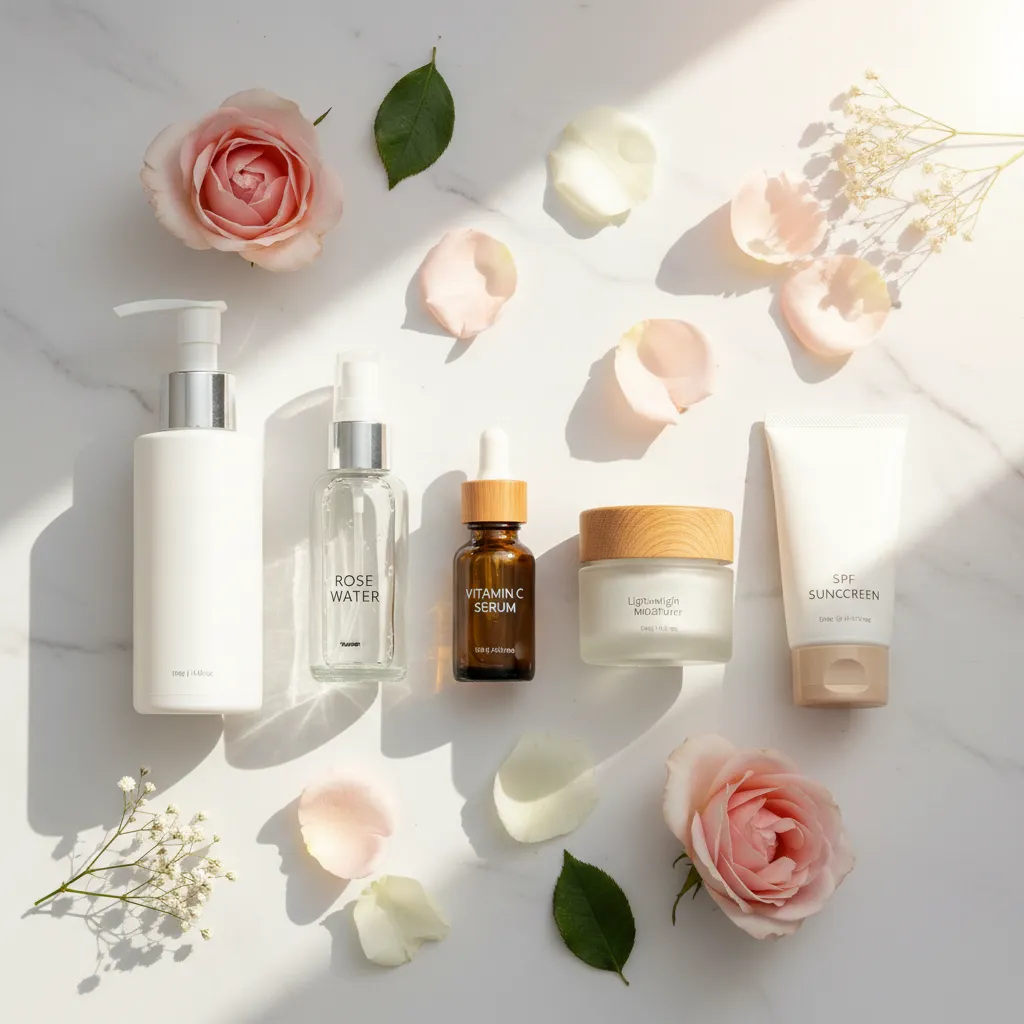
Vitamin C, as an antioxidant, neutralizes free radicals before they cause that damage. Applying it in the morning means it’s present in the skin throughout the day, providing a layer of protection on top of (not instead of) sunscreen. Dermatologists commonly recommend the combination of vitamin C serum plus SPF as the highest-ROI morning skincare pairing for long-term skin health.
Collagen Support
Vitamin C plays a direct role in collagen synthesis. The body uses it as a cofactor in producing two amino acids — hydroxyproline and hydroxylysine — that are essential to collagen structure. Without adequate vitamin C, collagen fibers are less stable. This relationship is well-established in biochemistry.
For topical vitamin C, the evidence suggests it can stimulate collagen production in skin cells, though the effect depends heavily on concentration and formulation. Research supports concentrations of 10–20% L-ascorbic acid (the most studied form) penetrating into the dermis where collagen is produced.
Brightening and Hyperpigmentation
Vitamin C inhibits an enzyme called tyrosinase, which plays a key role in melanin production. This is the mechanism behind its brightening effect. With consistent daily use, it can visibly reduce the appearance of sunspots, post-inflammatory hyperpigmentation (the marks left after breakouts), and general uneven tone.
Realistic timeline: dermatologists typically tell patients to expect visible improvement after 4–12 weeks of daily use. The range depends on the severity of discoloration and the concentration of the product. Lighter surface discoloration responds faster than deeper pigmentation.
What Formulation Matters
Not all vitamin C serums are equal. L-ascorbic acid (LAA) is the most researched form and the most effective, but it’s also the most unstable — it oxidizes when exposed to light and air, turning yellow then orange, at which point it has degraded and is no longer effective. A serum that’s turned orange should be replaced.
More stable vitamin C derivatives like sodium ascorbyl phosphate (SAP) and ascorbyl glucoside are less prone to oxidation, better tolerated by sensitive skin, though the research base isn’t as extensive as for L-ascorbic acid.
When buying, look for:
- Concentrations of 10–20% (for L-ascorbic acid) — below 10% may be less effective
- Packaging in dark glass or opaque, airless dispensers — protects the formula from degradation
- Vitamin E and ferulic acid listed in the ingredients — this combination is well-documented to increase vitamin C’s stability and effectiveness
How to Use It
Apply to clean, slightly damp skin in the morning, after toning and before moisturizer and SPF. Use 3–5 drops, press in gently, and wait about 60 seconds before the next step. Don’t mix it with retinol or niacinamide in the same application — layer these at different times of day to avoid potential irritation or interference.
If you experience redness or stinging, either the concentration is too high for your skin or the pH of the product is too low. Start with a lower concentration (10%) and build up.
Quick Recap
- Use in the morning — this is when its antioxidant protection matters most
- Pair with SPF: the two work synergistically for UV protection
- Keep your serum in a dark, cool location — light and heat accelerate oxidation
- Discard if it turns orange: oxidized vitamin C is ineffective and may irritate skin
Related Questions
Q: How long does vitamin C serum take to work? For brightening, expect 4–12 weeks of consistent daily use before visible results. For antioxidant protection, it’s working from day one even if you can’t see it. More on anti-aging skincare →
Q: Can I make my own vitamin C serum? Yes — a DIY serum with L-ascorbic acid powder works when freshly made. The key challenge is stability: homemade serums in water oxidize within days. Make small batches and use within 3–5 days. Full DIY guide →
Q: Can I use vitamin C serum every day? Yes, once your skin is accustomed to it. Start every other day for the first two weeks if you have sensitive skin. Most people tolerate daily use well after an adjustment period. More on morning skincare →