TL;DR – Quick Summary
- Rosehip oil is the best all-around choice for mature skin — rich in vitamin C, fatty acids, and natural retinoids.
- Apply face oils to slightly damp skin after serum, before moisturizer for maximum absorption.
- Sea buckthorn and argan oil are excellent alternatives for very dry or combination skin types.
The Question
After 40, skin naturally produces less sebum, the barrier becomes less efficient at retaining moisture, and ceramide levels drop — which is why skin starts feeling drier, looking duller, and developing more fine lines. Face oils can genuinely compensate for this, but not all oils are equal, and most women are applying them incorrectly. Which natural face oils are actually worth using, and how do you use them effectively?
The Short Answer
Rosehip oil is the best all-around natural face oil for mature skin — it delivers fatty acids, vitamin C precursors, and natural retinoids that support cell turnover and reduce fine lines. Apply it to slightly damp skin after your serum and before your moisturizer, not on dry skin after everything else.
The Full Answer
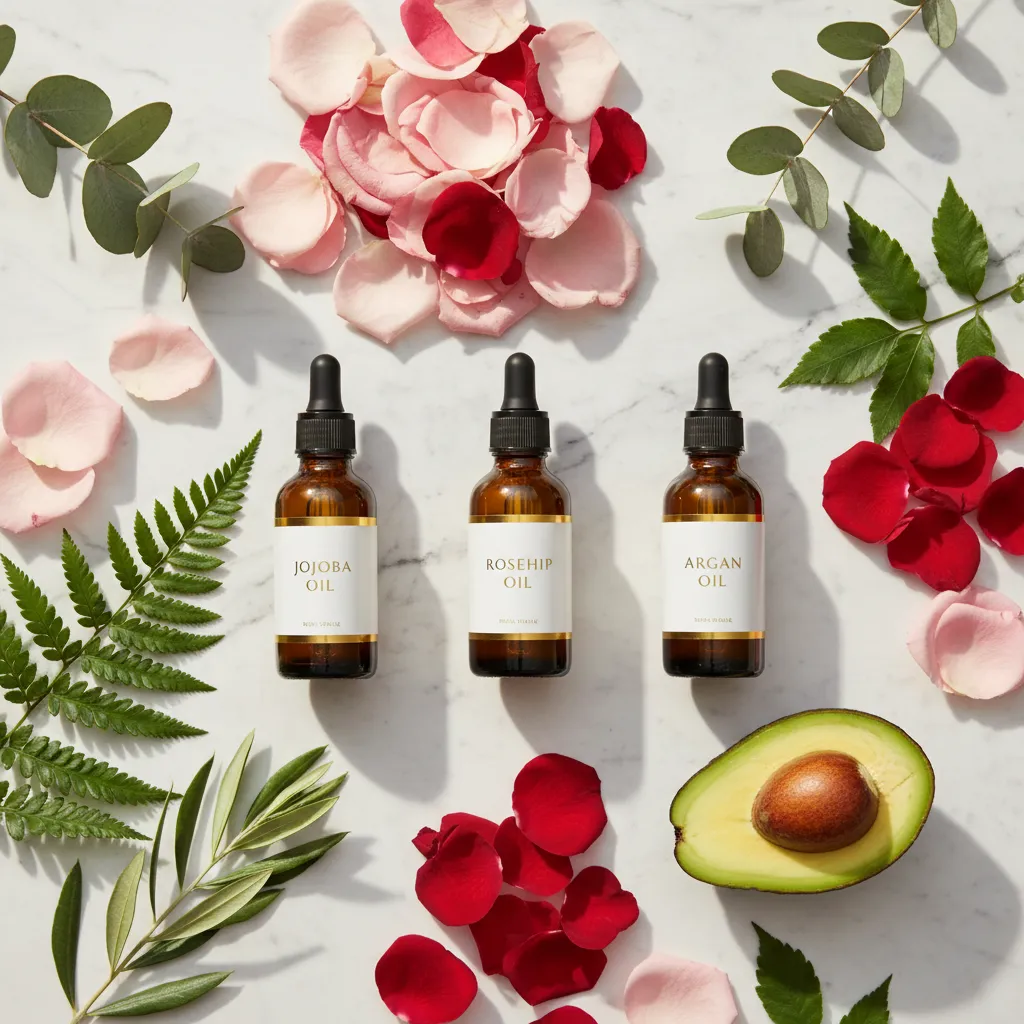
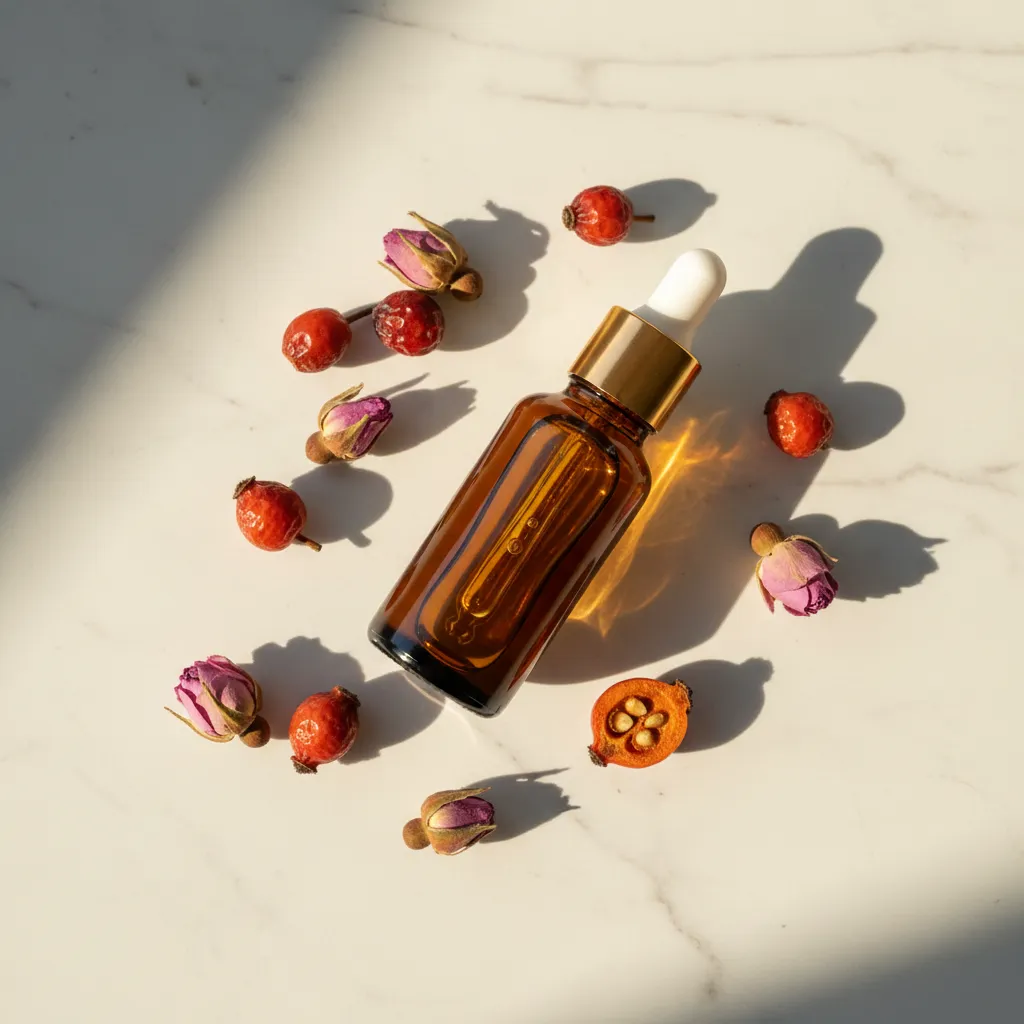
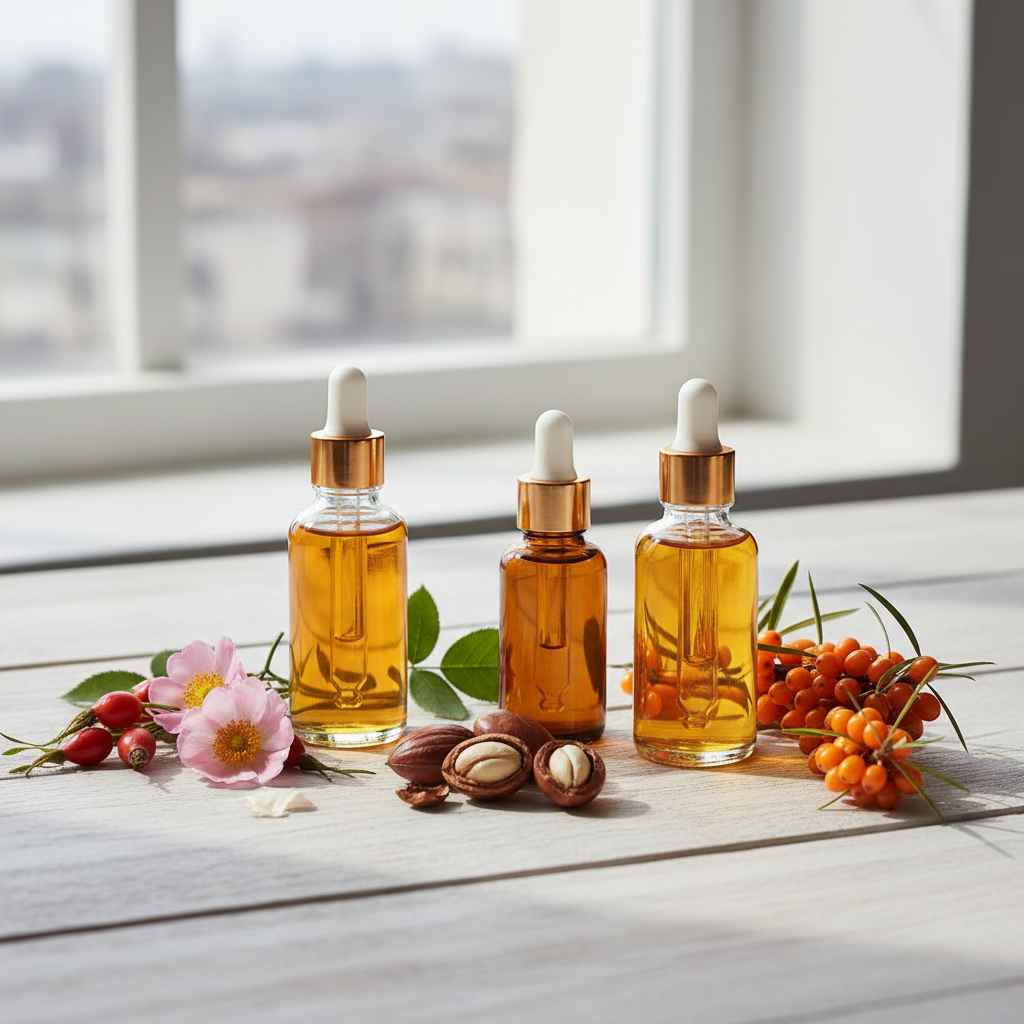
Rosehip oil — best overall: Rosehip oil (from Rosa canina seeds) is the gold standard for mature skin. It contains linoleic and linolenic acids (omega-3 and omega-6), vitamin C precursors, and trans-retinoic acid — a naturally occurring retinoid that supports cell turnover. Clinical studies show regular use reduces fine lines and hyperpigmentation and improves skin tone over 8–12 weeks. It’s lightweight enough for combination skin and absorbs without greasiness.
Argan oil — best for lightweight hydration: High in oleic acid and vitamin E, argan absorbs quickly and doesn’t clog pores. Excellent for combination or slightly oily mature skin. It won’t deliver the same cell-turnover benefits as rosehip, but it’s highly nourishing and suitable for daytime use.
Sea buckthorn oil — best for barrier repair: Genuinely exceptional and underused. It’s one of the few plant oils high in palmitoleic acid (omega-7), a core component of skin cell membranes, which actively helps rebuild a compromised barrier and reduces chronic dryness. Important: it’s deep orange and will stain. Always dilute 1:10 with a neutral carrier oil like jojoba.
Marula oil — best for very dry skin: High oleic acid content and surprisingly fast absorption for how rich it feels. Particularly good for dry or dehydrated mature skin; works well as a sleeping mask base.
How to apply correctly: Most women apply face oil wrong — on dry skin after moisturizer, where it sits on the surface. The correct sequence: after cleansing, pat skin lightly but leave it slightly damp. Apply your serum. Then press 2–3 drops of face oil into skin while it’s still slightly damp. Apply moisturizer on top to seal everything in. This sequence delivers the oil’s benefits while the moisturizer creates a protective seal.
What to skip: Mineral oil, coconut oil (highly comedogenic), and any oil with added fragrance. Choose pure, cold-pressed, unfragranced oils always.
Quick Recap
- Rosehip oil is the best all-around choice for mature skin — fine lines, uneven tone, and dullness all respond to it
- Apply oil after serum, before moisturizer, on slightly damp skin — not on dry skin over moisturizer
- Sea buckthorn is exceptional for barrier repair; argan is the best lightweight option for combination skin