TL;DR – Quick Summary
- Ashwagandha (cortisol reduction, sleep, thyroid) and turmeric (inflammation) have the strongest clinical evidence.
- Always check herb-drug interactions before starting — several common herbs interact with blood thinners and hormones.
- Maca root shows promise for menopausal symptoms, but evidence is still emerging compared to other options.
The Question
Herbal supplements have been used for women’s health for centuries — but traditional use doesn’t automatically mean they work. For women over 40 dealing with hormone fluctuations, sleep disruption, fatigue, and inflammation, which herbs actually have clinical research behind them, and which are wellness marketing?
The Short Answer
Ashwagandha (for stress and sleep) and turmeric (for inflammation) have the strongest evidence for women over 40. Maca root and red clover show real promise for menopausal symptoms, but with more caveats. Always check for drug interactions before starting any herbal supplement.
The Full Answer
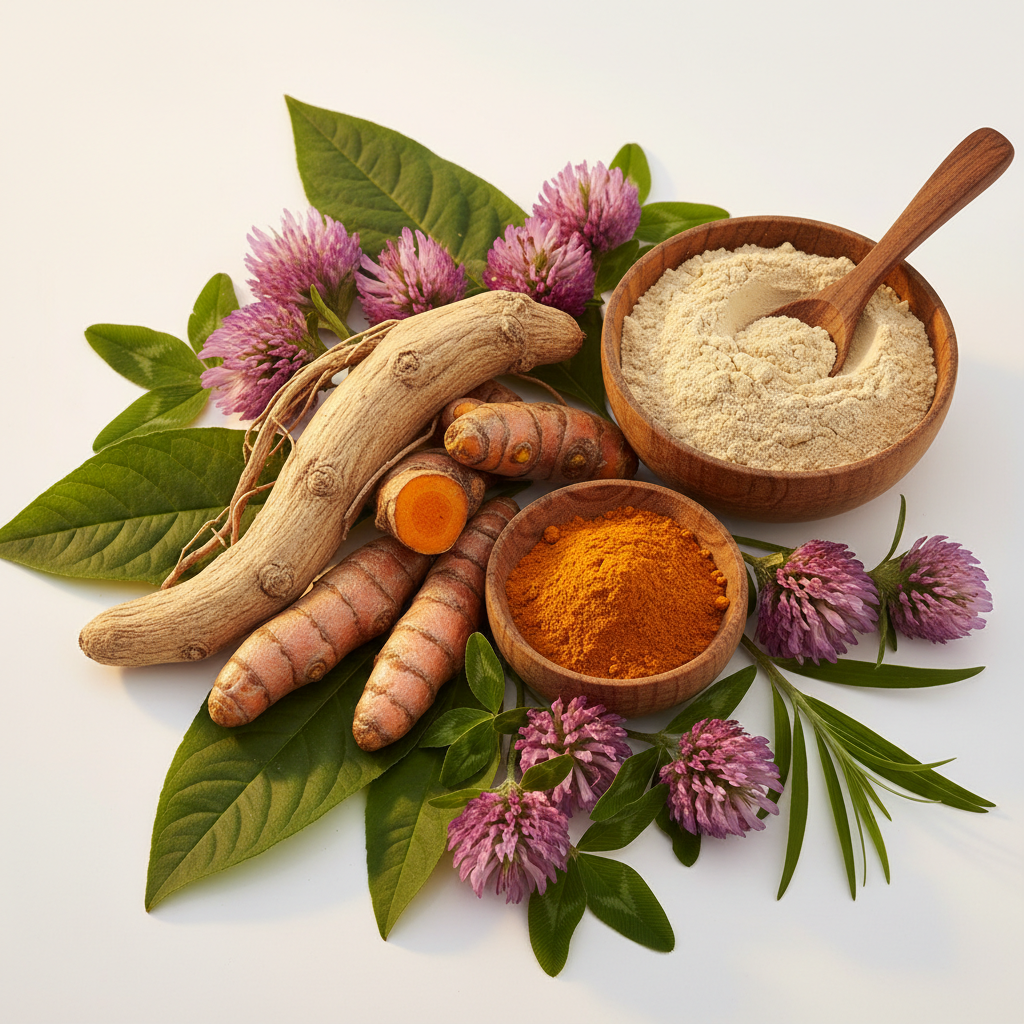
Ashwagandha (Withania somnifera): The most researched adaptogen for modern stress physiology. Multiple randomized controlled trials show it significantly reduces serum cortisol over 8 weeks, improves sleep quality and duration, supports thyroid function in subclinical hypothyroidism, and maintains healthy testosterone and DHEA levels in women. Look for KSM-66 extract at 300–600mg daily. Avoid if you’re already on thyroid medication or during pregnancy.
Turmeric (curcumin): One of the most extensively studied natural anti-inflammatory compounds available — reduces CRP and IL-6 inflammatory markers and shows benefit for joint pain, gut inflammation, and skin conditions. The critical caveat: curcumin has very poor bioavailability on its own. It must be taken with black pepper (piperine) — which increases absorption by up to 2,000% — or in a liposomal/phytosome form. Adding turmeric to food is beneficial but unlikely to reach therapeutic levels.
Maca root (Lepidium meyenii): Small studies show reduced hot flashes and improved mood in perimenopausal women. It doesn’t contain hormones or phytoestrogens — it appears to work through the hypothalamic-pituitary axis instead, which makes it potentially safer for women with hormone-sensitive conditions. Evidence is still emerging. Use gelatinized (cooked) maca at 1.5–3g daily for better digestibility.
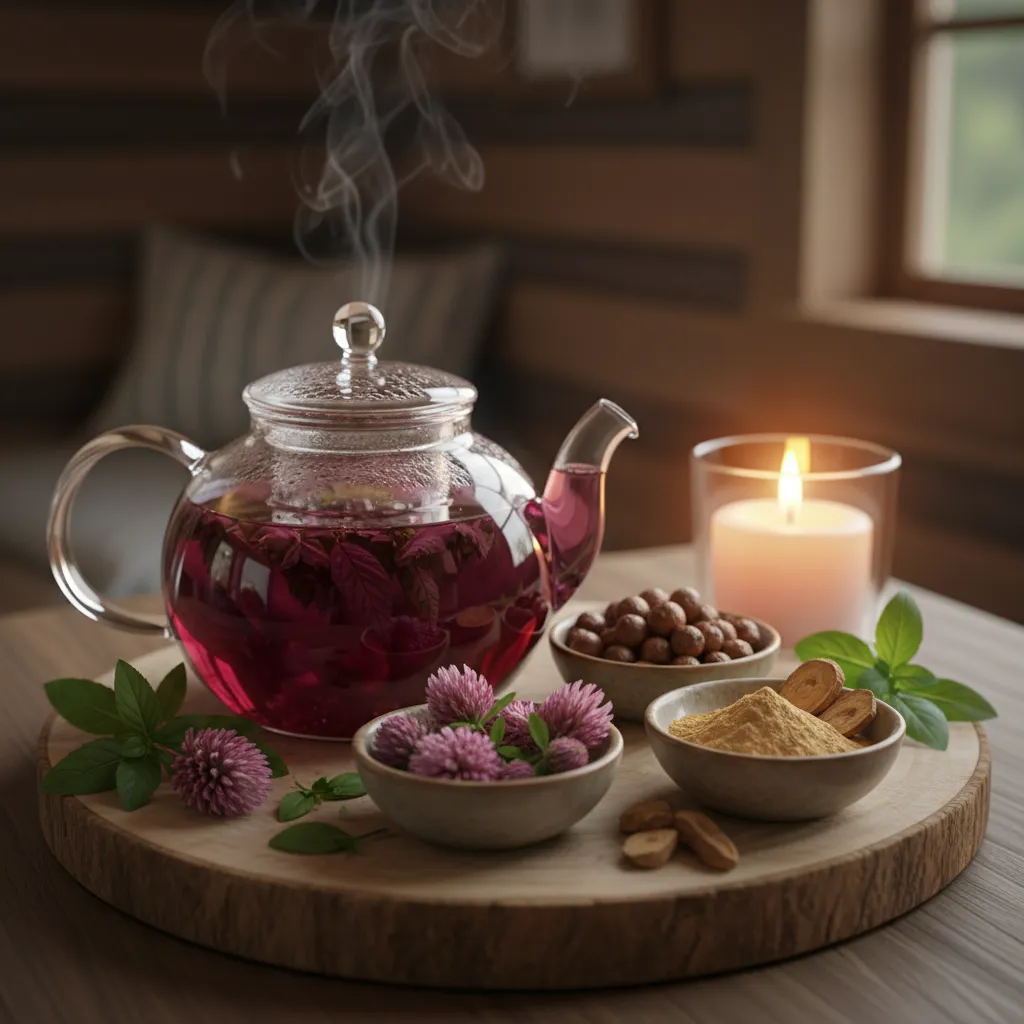
Red clover: Contains isoflavones that weakly bind to estrogen receptors. Multiple studies show moderate reduction in hot flash frequency and improved bone density markers. Not suitable for women with a history of hormone-sensitive cancer, and it interacts with blood thinners and hormonal contraceptives.
Important: herbs interact with medications. Ashwagandha can alter thyroid hormone levels; red clover increases bleeding risk with warfarin; turmeric has mild anticoagulant effects at high doses. Always tell your doctor before adding any herbal supplement to your routine.
Quick Recap
- Ashwagandha and turmeric have the strongest clinical evidence — prioritize these if you want to start somewhere
- Maca and red clover are legitimate options for menopausal symptoms, but check for contraindications first
- Always review herb-drug interactions before starting, especially with blood thinners or thyroid medications